Garlic
Garlic, with its pungent aroma and robust flavor, adds a practical and savory touch to any garden. This hardy plant is known for its underground bulbs composed of multiple cloves, each encased in a papery skin. Its tall, slender green shoots and delicate white or purple flowers make garlic an interesting and attractive addition to garden beds.
In Florida planting zone 9, garlic grows well, particularly when planted in the cooler months. The bulbs develop underground, creating a hidden treasure that is ready to be unearthed after several months of growth. Watching the green shoots rise and knowing the flavorful bulbs are forming below the surface is a satisfying part of the gardening process.
For those new to gardening, garlic is an excellent choice. It is relatively easy to grow and provides a flavorful harvest that can enhance a wide range of dishes. Whether you use it fresh, roasted, or as a seasoning, garlic brings a distinctive and essential element to your kitchen, making your gardening efforts both rewarding and useful.
Ocala Food Forest participates in affiliate programs that help support our educational and community projects. When you purchase through the links provided on our site, we may receive a small commission at no additional cost to you. This support allows us to keep the site free to access and continue researching what grows best in Central Florida’s Zone 9 climate. We only recommend products and resources we have personally tested and trust.
The vegetables listed on this page are not the only ones that can thrive in this region of Florida, but they represent the top recommended varieties for optimal growth and success in local conditions.
Softneck Garlic Varieties:
California Early
Heirloom

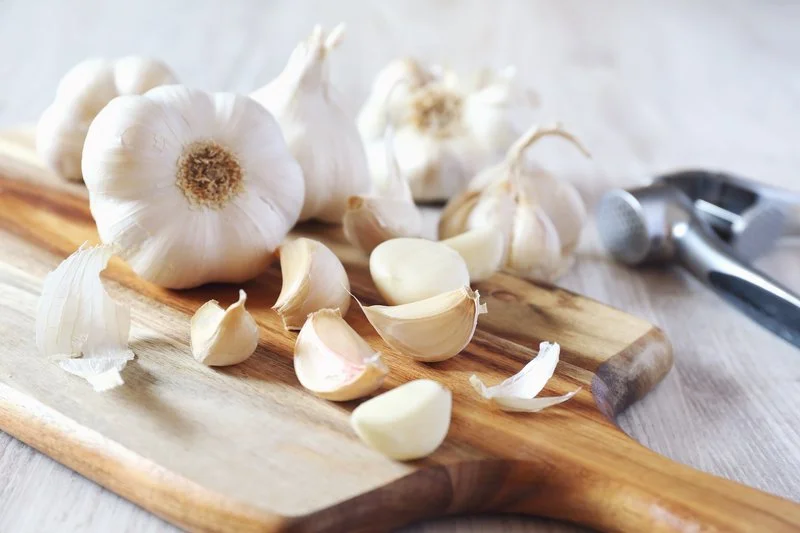
Description: California Early is a popular softneck variety known for its mild flavor and early maturity. The bulbs are medium to large with multiple layers of cloves.
Growing Season: Plant in late fall for a spring to early summer harvest.
USDA Planting Zone: 4–10
Special Notes: Excellent for long-term storage. Matures in about 240 days.
California Late
Heirloom
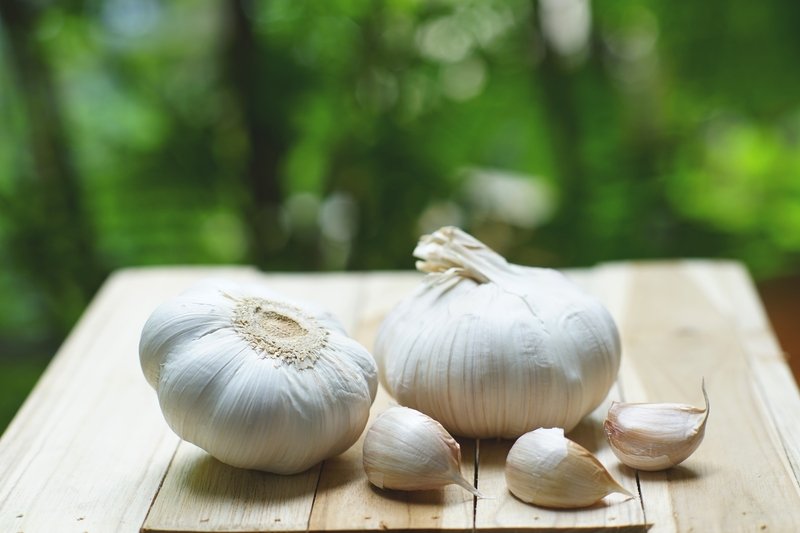
Description: California Late is similar to California Early but matures later in the season. It has a slightly stronger flavor and stores exceptionally well.
Growing Season: Plant in late fall for a summer harvest.
USDA Planting Zone: 4–10
Special Notes: Ideal for storage and versatile culinary use. Matures in about 270 days.
Inchelium Red
Heirloom
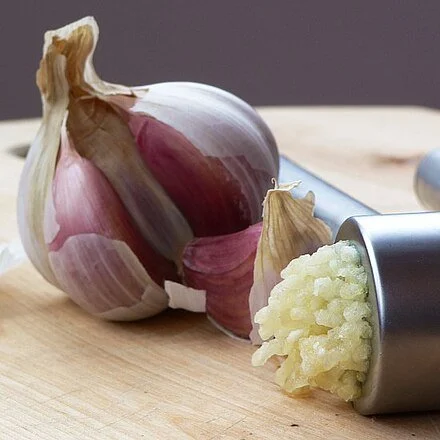
Description: Inchelium Red is an heirloom softneck garlic variety known for its large bulbs and robust, slightly spicy flavor.
Growing Season: Plant in late fall for a late spring to early summer harvest.
USDA Planting Zone: 4–9
Special Notes: Award-winning flavor with excellent storage capability. Matures in about 240–270 days.
Silverskin
Heirloom
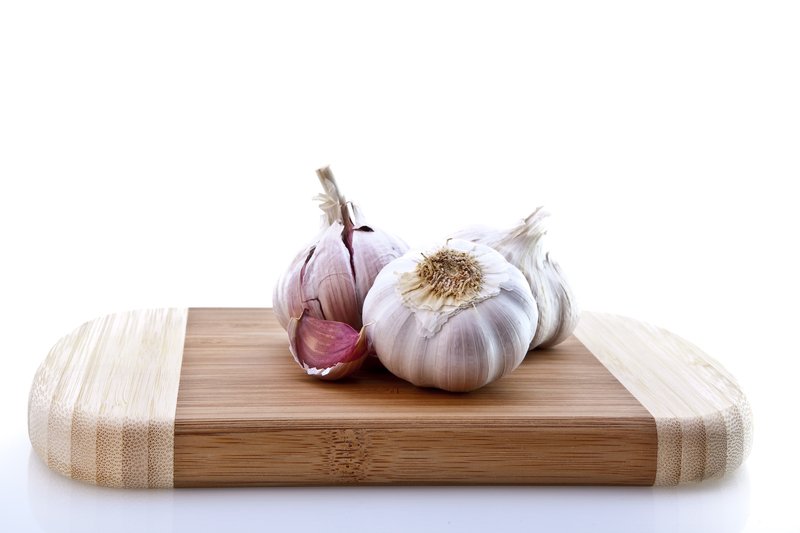
Description: Silverskin garlic is a type of softneck known for its smooth white skin and high number of cloves per bulb. It has a strong, spicy flavor.
Growing Season: Plant in late fall for a spring to early summer harvest.
USDA Planting Zone: 3–9
Special Notes: Best for long-term storage and versatile culinary use. Matures in about 240–270 days.
Hardneck Garlic Varieties:
Chesnok Red
Heirloom
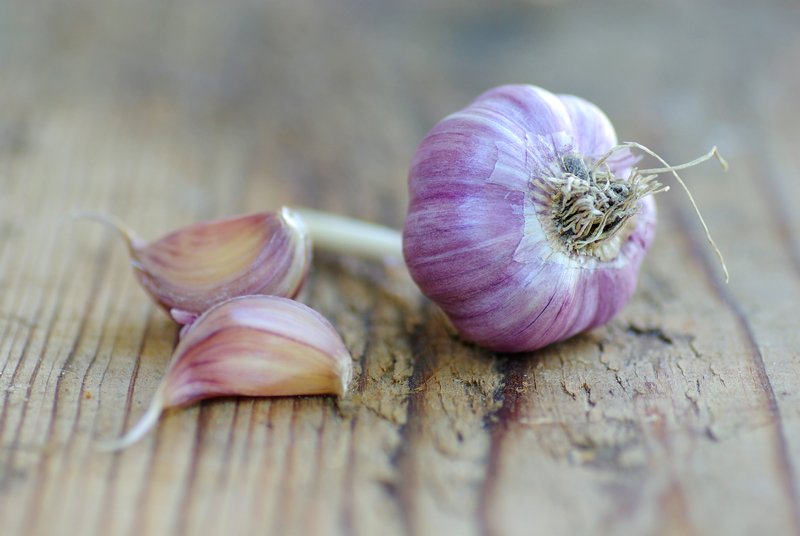
Description: Chesnok Red is a hardneck garlic variety known for its purple-striped bulbs and rich, sweet flavor when roasted.
Growing Season: Plant in late fall for a spring to early summer harvest.
USDA Planting Zone: 4–8
Special Notes: Produces large cloves and is excellent for baking, roasting, and culinary use. Matures in about 240–270 days.
Music
Heirloom
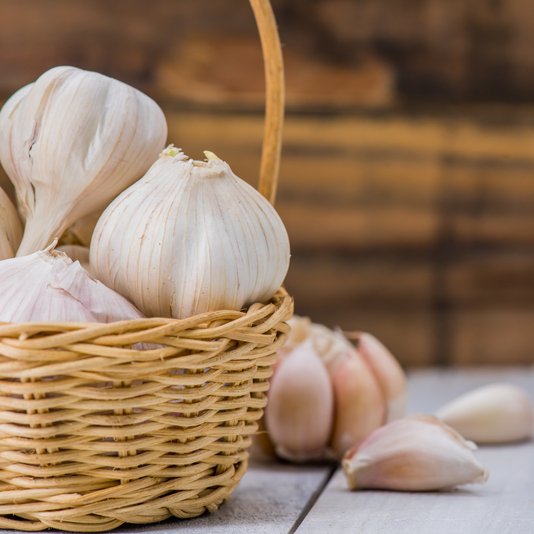
Description: Music garlic is a popular hardneck variety known for its large cloves and robust, spicy flavor. The bulbs are white with purple streaks.
Growing Season: Plant in late fall for a spring to early summer harvest.
USDA Planting Zone: 4–8
Special Notes: Excellent flavor and long storage capability. Matures in about 240–270 days.
Florida Vegetable Planting Guide
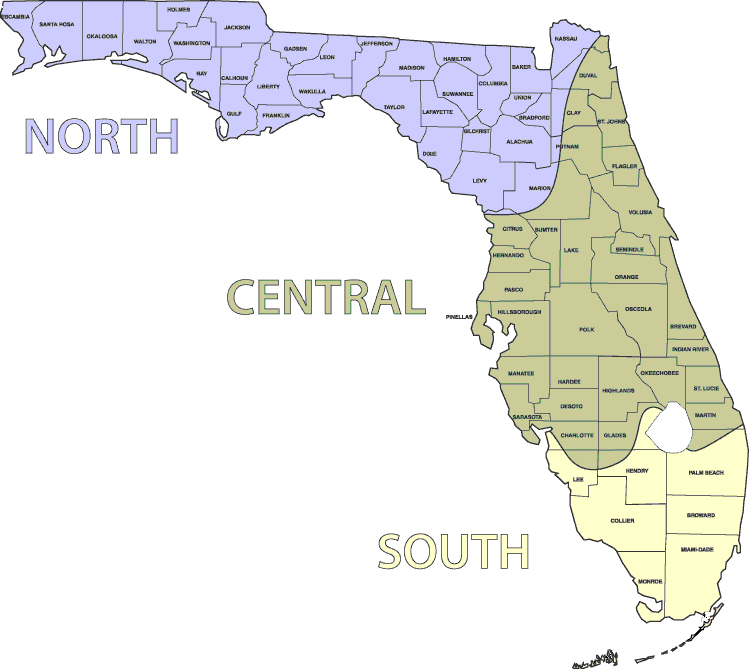
This guide provides information on when to start seeds inside, direct seed, and transplant starter plants in the different regions of Florida.
North USDA Planting Zones: 8b–9a
Central USDA Planting Zones: 9b & some of 10a
South USDA Planting Zones: 10a–11b
Visit the U.S. National Arboretum for an exact USDA Planting Zone Map.
| Garlic | North Florida | Central Florida | South Florida |
|---|---|---|---|
| Start Seeds Inside | Not recommended | Not recommended | Not recommended |
| Direct Seed | Oct–Jan | Oct–Jan | Oct–Jan |
| Transplant Starter Plants | Oct–Jan | Oct–Jan | Oct–Jan |
Planting Guide – Garlic
Getting Started
Start Seeds Inside:
Garlic is almost always grown from individual cloves rather than true seed.
Starting garlic from seed indoors is not recommended because it is slow, inconsistent, and takes much longer to reach harvest than planting cloves.
Direct Seed (Planting Cloves):
Planting cloves directly into the garden during the cooler months helps them establish strong roots before warm weather.
That cool growing window is important for forming full-sized bulbs later.
Transplant Starter Plants (Pre-sprouted Cloves):
If you pre-sprout cloves in trays, transplant once roots and green tips form. This can improve establishment and spacing control,
especially if your beds are actively in use.
For Florida Zone 9, softneck types are usually the most reliable bulb producers. Hardneck varieties can still work, but choose proven types and focus on timing and consistent moisture.
Soil, Sun, Water, and Spacing
Soil:
Garlic prefers well-drained, fertile soil with a pH between 6.0 and 7.0.
Improve beds with compost before planting. Avoid soils that stay soggy after rain—bulbs can rot.
Sun:
Full sun supports strong leaf growth and larger bulbs. Aim for 6–8 hours of direct sunlight daily.
Watering:
Keep soil evenly moist during active growth and bulbing. Reduce watering as tops yellow and dry down before harvest
to support curing and reduce rot risk.
Spacing:
Plant cloves 4–6 inches apart, 2 inches deep, pointed end up. Space rows 12–18 inches apart.
Harvesting and Additional Tips
Harvesting:
Garlic is usually ready about 8–9 months after planting (variety and weather dependent).
Harvest when the bottom leaves are brown/dry but the top leaves are still mostly green.
Loosen soil with a fork and lift bulbs—do not pull by the stalk. Cure in a dry, shaded, well-ventilated area for several weeks.
Additional Tips:
- Mulch helps stabilize moisture and reduces weeds during the long grow-out.
- Stop heavy watering as plants begin to yellow to reduce rot and improve curing.
- Handle bulbs gently—bruising shortens storage life.
- Store cured bulbs in a cool, dry place with airflow (avoid sealed plastic).
Fertilization, Care, and Common Problems
Fertilization (N–P–K Ratio):
Garlic benefits from steady nitrogen early to build leaf mass (which drives bulb size), then lighter feeding as bulbing begins.
Common options include 10-10-10 or a nitrogen-forward blend like 12-0-0, paired with compost.
When to Add:
Before Planting: Mix compost and a balanced fertilizer into the bed.
Early Spring: Side-dress as growth accelerates to support leaf development.
Mid-Growing Season: If needed, apply a light nitrogen boost before bulbing; avoid heavy feeding late.
Application Tips:
- Follow the directions on the fertilizer package to avoid over-fertilization and root burn.
- Apply around plants (not against the stem) and water in.
- Compost + mulch improves nutrient availability and soil structure over the season.
Pests and Diseases in Florida:
- Aphids: Sap-feeders that can weaken plants and spread disease.
- Onion Maggots: Larvae feeding on roots/bulbs; can cause collapse.
- Thrips: Silvery leaf streaking and reduced vigor.
- White Rot: White fungal growth on roots/bulbs leading to decay.
- Rust: Orange pustules on leaves that reduce photosynthesis.
Blog post on Natural Fertilizers
Natural Pest Control
Companion Plants and Plants to Avoid
Companion Plants:
| Carrots | Garlic can deter some carrot pests; carrots can help loosen soil structure around the bed over time. |
| Tomatoes | Garlic’s scent can help confuse pests and may reduce aphid pressure around tomatoes. |
| Roses | Common companion pairing; garlic can help deter aphids and some fungal pressure in ornamental beds. |
| Spinach | Cool-season fit; spinach can grow between rows while garlic establishes, maximizing bed space. |
| Strawberries | Garlic may help deter some pests and reduce fungal issues when airflow and spacing are adequate. |
Plants to Avoid Nearby:
| Garden Beans | Alliums can suppress legumes; keep beans in a separate bed for best growth. |
| Peas | Like beans, peas can be stunted near garlic—separate beds or rotations work best. |
| Asparagus | Competes for space and nutrients; avoid mixing in the same perennial bed. |
| Sage | Can compete for space/resources; better separated to maintain airflow and vigor for both plants. |