Tomatoes
Tomatoes, with their juicy fruits and lush foliage, bring a vibrant and flavorful touch to any garden. These versatile plants are a favorite among gardeners for their wide range of varieties, from small cherry tomatoes to large beefsteaks. The bright red, yellow, or even purple fruits and the plant's vigorous growth make tomatoes a striking addition to garden beds, containers, or even hanging baskets.
In Florida planting zone 9, tomatoes thrive, particularly during the warm months, producing an abundant harvest throughout the growing season. The plants produce clusters of flowers that give way to a continuous supply of ripe, flavorful tomatoes. Watching these colorful fruits ripen on the vine is a rewarding experience, showcasing the productivity and success of your gardening efforts.
For those new to gardening, tomatoes are an excellent choice. They are relatively easy to grow and provide a bountiful harvest of versatile fruits. Whether you enjoy them fresh in salads, cooked into sauces, or preserved for later use, tomatoes bring a delicious and nutritious addition to your meals, making your gardening endeavors both enjoyable and fruitful.
Ocala Food Forest participates in affiliate programs that help support our educational and community projects. When you purchase through the links provided on our site, we may receive a small commission at no additional cost to you. This support allows us to keep the site free to access and continue researching what grows best in Central Florida’s Zone 9 climate. We only recommend products and resources we have personally tested and trust.
The fruit listed on this page are not the only ones that can thrive in this region of Florida, but they represent the top recommended varieties for optimal growth and success in local conditions.
Tomato Varieties:
Determinate Varieties (Bush Type)
Floradade
Heirloom


Description: Developed by the University of Florida, Floradade tomatoes are resistant to heat and humidity, making them ideal for Florida’s climate. They produce medium-sized, firm fruits.
Growing Season: Spring and Fall
USDA Planting Zone: 9–11
Special Notes: Highly disease-resistant. Matures in about 75–80 days. Excellent for fresh eating and cooking.
Celebrity
Description: Medium-sized, red tomatoes with a balanced flavor. Known for its disease resistance and high yields.
Growing Season: Spring and Fall
USDA Planting Zone: 3–9
Special Notes: Matures in about 70–75 days. Good for slicing and fresh eating.
Italian Roma
Heirloom
Description: Plum-shaped tomatoes with thick flesh and few seeds, ideal for sauces, canning, and drying.
Growing Season: Spring and Fall
USDA Planting Zone: 3–9
Special Notes: Matures in about 75–80 days. Known for its meaty texture and rich flavor.
Indeterminate Varieties (Vining Type)
Everglades Tomato
Description: Small, cherry-type tomatoes that are highly heat-tolerant and disease-resistant. Well-suited to Florida’s climate.
Growing Season: Spring, Summer, and Fall
USDA Planting Zone: 8–11
Special Notes: Continuously produces throughout the growing season. Excellent for hot climates and container gardening.
Better Boy
Description: Large, round, red tomatoes with a classic tomato flavor. Highly productive and disease-resistant.
Growing Season: Spring and Fall
USDA Planting Zone: 3–9
Special Notes: Matures in about 70–75 days. Great for slicing and fresh eating.
Brandywine
Heirloom
Description: Large, beefsteak-type tomatoes with a pinkish-red color and exceptional flavor. A popular heirloom variety.
Growing Season: Spring and Fall
USDA Planting Zone: 3–9
Special Notes: Matures in about 80–100 days. Known for its rich, sweet flavor.
Cherokee Purple
Heirloom
Description: Medium to large tomatoes with a deep purple-red color and rich, smoky flavor. An heirloom variety.
Growing Season: Spring and Fall
USDA Planting Zone: 4–9
Special Notes: Matures in about 80–90 days. Excellent for slicing and fresh eating.
Sungold
Hybrid
Description: Small, cherry-type tomatoes with a bright orange color and exceptionally sweet flavor. Highly productive.
Growing Season: Spring and Fall
USDA Planting Zone: 3–9
Special Notes: Matures in about 55–65 days. Great for snacking and salads.
Florida Vegetable Planting Guide
This guide provides information on when to start seeds inside, direct seed, and transplant starter plants in the different regions of Florida.
North USDA Planting Zones: 8b-9a
Central USDA Planting Zones: 9b & some of 10a
South USDA Planting Zones: 10a-11b
Visit the U.S. National Arboretum for an Exact USDA Planting Zone Map.
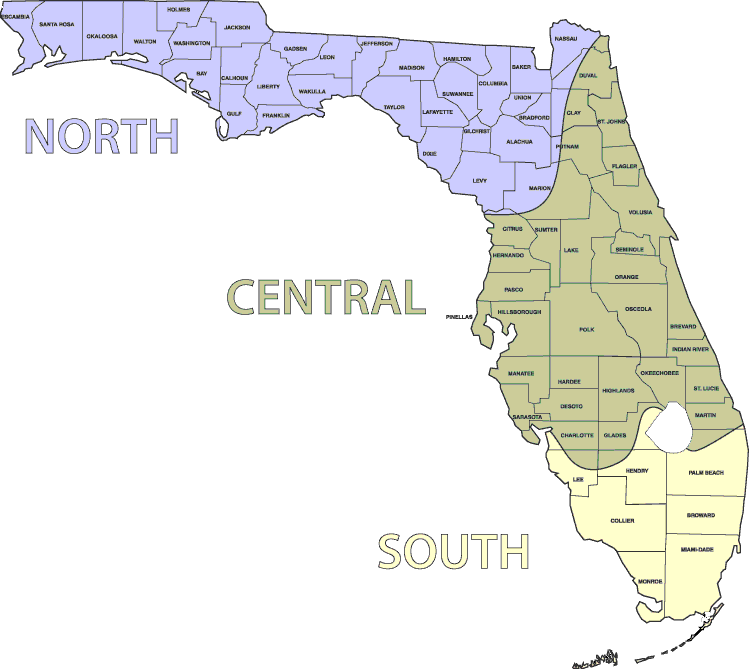
| Tomato | North Florida | Central Florida | South Florida |
|---|---|---|---|
| Start Seeds Inside | Jan-Feb/Jun-Jul | Jan-Feb/Jul-Aug | Aug-Feb |
| Direct Seed | Not recommended | Not recommended | Not recommended |
| Transplant Starter Plants | Feb-Apr/Jul-Aug | Jan-Feb/Aug-Sep | Aug-Feb |
Planting Guide – Tomatoes
Getting Started
Start Seeds Inside:
Starting tomato seeds indoors allows for controlled conditions, ensuring strong seedlings ready for transplanting outdoors.
Direct Seed:
Direct seeding tomatoes is not recommended because they require a long growing season and benefit from indoor germination and early growth.
Transplant Starter Plants:
Transplanting tomato starter plants during the warmer months helps them establish quickly in the garden, leading to a productive harvest.
Support:
Use cages, stakes, or trellises to support indeterminate varieties. Determinate varieties may also benefit from staking to keep fruit off the ground.
Soil, Sun, Water, and Spacing
Soil:
Tomatoes prefer well-drained, fertile soil with a pH between 6.0 and 6.8. Amend the soil with compost or well-rotted manure to improve fertility and structure.
Sun:
Full sun is essential for optimal growth and fruit production. Ensure tomatoes receive at least 6–8 hours of sunlight daily.
Watering:
Keep the soil consistently moist but not waterlogged. Water at the base of the plant to avoid wetting the foliage. Mulching helps retain soil moisture and regulate temperature.
Spacing:
Space determinate varieties 18–24 inches apart and indeterminate varieties 24–36 inches apart. Space rows about 48 inches apart for airflow and access.
Harvesting and Additional Tips
Harvesting:
Tomatoes are ready to harvest when they are fully colored (red, yellow, orange, or another variety-specific color) and slightly soft to the touch, typically 70–110 days after planting.
Gently twist and pull the fruit from the vine to avoid damaging the plant. For best flavor, allow them to ripen on the vine.
Additional Tips:
- Mulch to retain moisture, suppress weeds, and help regulate soil temperature.
- Maintain steady watering during flowering and fruiting to reduce stress and fruit problems.
- Consider a tomato-specific fertilizer that includes helpful micronutrients.
Fertilization, Care, and Problems
Fertilization (N–P–K Ratio):
Tomatoes benefit from a balanced fertilizer with slightly higher phosphorus to support root and fruit development, such as 5-10-10 or 10-20-10.
When to Add:
Before Planting: Apply fertilizer to the soil before planting seeds or transplants to promote strong initial growth and root development.
Mid-Growing Season: Reapply when plants start to flower and set fruit, then every 4–6 weeks during the growing season as needed.
Application Tips:
- Always follow the directions on the fertilizer package.
- Apply evenly around the base of the plant and water thoroughly so nutrients reach roots.
- Avoid over-fertilizing with nitrogen, which can reduce flowering and fruiting.
Pests and Diseases in Florida:
- Aphids: Sap-sucking pests that cause curling and yellowing.
- Tomato Hornworms: Large caterpillars that feed on leaves, stems, and fruit.
- Whiteflies: Feed on leaf undersides, causing yellowing and weakening plants.
- Spider Mites: Cause stippling and leaf yellowing, especially in hot, dry weather.
- Fusarium Wilt: Fungal disease causing yellowing, wilting, and stunted growth.
- Blossom End Rot: Physiological disorder causing dark, sunken spots on fruit bottoms (often tied to moisture/calcium swings).
Blog post on Natural Fertilizers
Natural Pest Control
Companion Plants and Plants to Avoid
Companion Plants:
| Basil | Helps repel aphids, whiteflies, and hornworms with its aroma, and is often said to enhance tomato flavor when grown nearby. |
| Marigold | Can help deter nematodes and reduce pest pressure (aphids and whiteflies) around tomato roots and foliage. |
| Garlic | Helps repel aphids and mites; may reduce fungal pressure when used as part of an integrated approach. |
| Borage | Attracts pollinators and beneficial predators that help reduce hornworms and aphids; also adds trace minerals to the soil. |
| Chives | Repels aphids and mites and attracts beneficial insects that can help keep pest populations down. |
Plants to Avoid Nearby:
| Corn | Can attract pests that also affect tomatoes and can compete for space and nutrients in tight beds. |
| Potatoes | Share pests and diseases with tomatoes; growing them together can increase disease pressure for both. |
| Fennel | Often inhibits growth of nearby plants, and is best kept in its own area. |
| Dill | Can inhibit tomato growth if planted too closely and may complicate spacing in a tomato bed. |
| Brassicas (Cabbage, Cauliflower, Broccoli, Brussels Sprouts, Kale) | Compete for nutrients and can attract pests that complicate tomato bed management; better separated into their own rotation area. |