Corn
Corn, with its tall stalks and lush, green leaves, is a staple crop that brings a sense of agricultural richness and practicality to any garden. This annual grass is known for its ears, which contain rows of kernels that can be yellow, white, or even multicolored. The sight of a cornfield or a garden patch filled with corn plants swaying in the breeze is a classic image of summer, adding a vertical element and a touch of nostalgia to garden beds or large containers.
In Florida planting zone 9, corn thrives during the warm months, particularly enjoying full sun and well-drained soil. The plants grow rapidly, often reaching heights of six to ten feet, and produce tassels and silk, which are key parts of the pollination process that leads to the formation of ears. Watching these impressive plants grow and produce ears of corn is a rewarding experience, showcasing the productivity and vibrancy of your garden.
Corn is not only visually striking but also a versatile and nutritious food source. The kernels can be eaten fresh, grilled, boiled, or roasted, and are commonly used in a variety of dishes from salads to soups to salsas. Cornmeal, made from ground dried kernels, is a staple ingredient in breads, tortillas, and cereals. Additionally, corn has a long history of use in traditional medicine and as a staple in the diets of many cultures around the world.
Ocala Food Forest participates in affiliate programs that help support our educational and community projects. When you purchase through the links provided on our site, we may receive a small commission at no additional cost to you. This support allows us to keep the site free to access and continue researching what grows best in Central Florida’s Zone 9 climate. We only recommend products and resources we have personally tested and trust.
The vegetables listed on this page are not the only ones that can thrive in this region of Florida, but they represent the top recommended varieties for optimal growth and success in local conditions.
Corn Varieties:
Country Gentleman
Heirloom
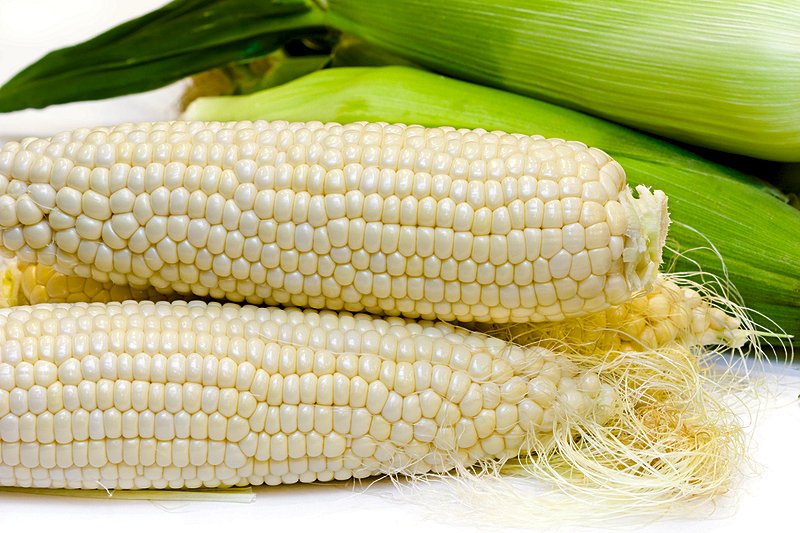
Description: Country Gentleman is an heirloom shoepeg corn variety known for its narrow, irregularly spaced kernels and sweet, creamy flavor.
Growing Season: Spring and Summer
USDA Planting Zone: 3–10
Special Notes: Matures in about 85–100 days. Excellent for fresh eating and canning. Notable for its unique kernel arrangement.
Silver Queen
Hybrid
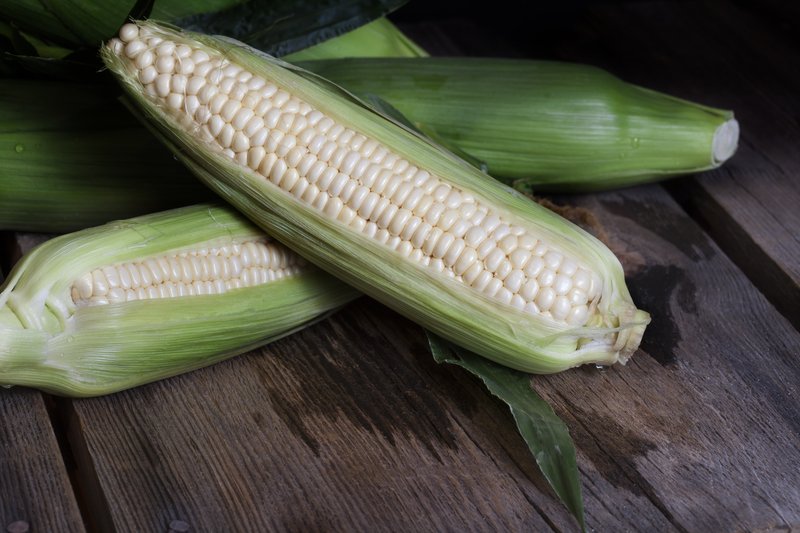
Description: Silver Queen is a popular white sweet corn variety known for its creamy, tender kernels and excellent flavor.
Growing Season: Spring and Summer
USDA Planting Zone: 3–9
Special Notes: Matures in about 92 days. Resistant to common corn diseases and pests.
Golden Bantam
Heirloom

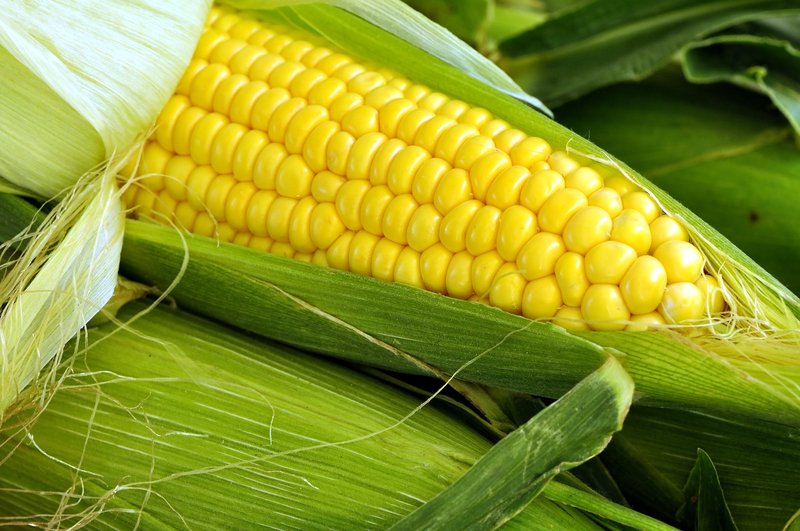
Description: Golden Bantam is an heirloom sweet corn variety with bright yellow kernels and a rich, sweet flavor.
Growing Season: Spring and Summer
USDA Planting Zone: 3–9
Special Notes: Matures in about 78 days. Ideal for fresh eating and freezing.
Peaches and Cream
Hybrid
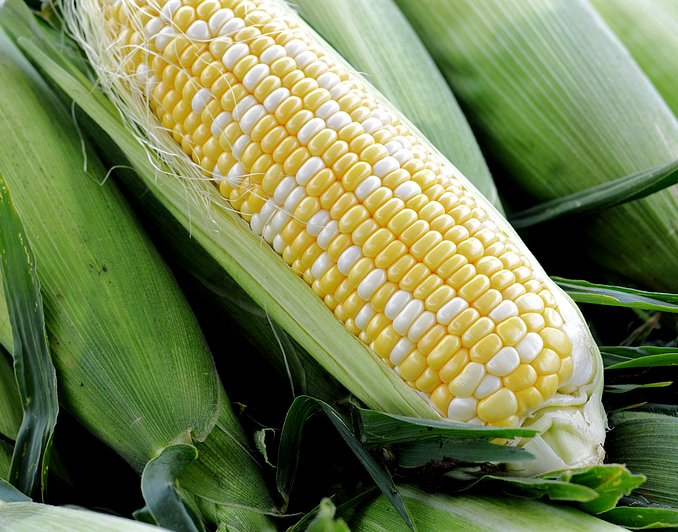
Description: Peaches and Cream is a bicolor sweet corn variety with kernels that are both yellow and white, offering a sweet, creamy flavor.
Growing Season: Spring and Summer
USDA Planting Zone: 3–9
Special Notes: Matures in about 80 days. Excellent for fresh eating and canning.
Honey Select
Hybrid
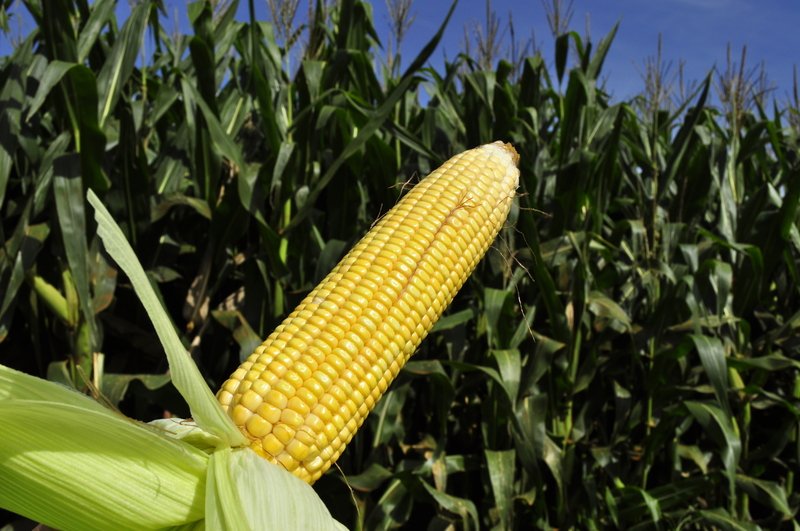
Description: Honey Select is a hybrid sweet corn variety known for its high sugar content and tender kernels. It has a yellow and white coloration.
Growing Season: Spring and Summer
USDA Planting Zone: 3–9
Special Notes: Matures in about 80–82 days. Excellent disease resistance and long shelf life.
Early Sunglow
Hybrid
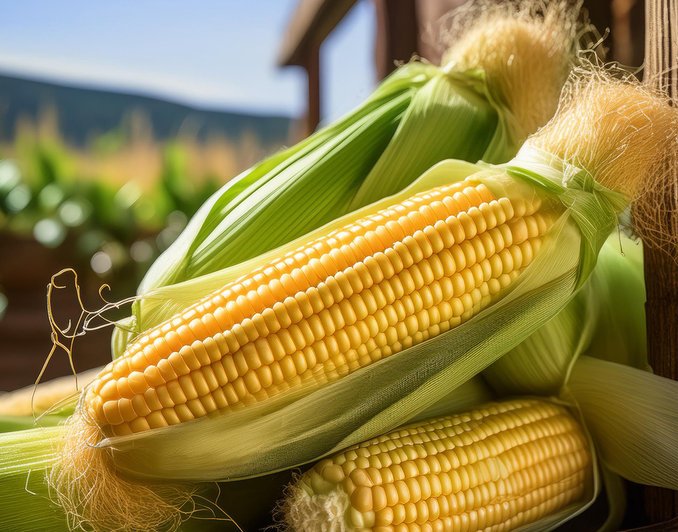
Description: Early Sunglow is an early-maturing sweet corn variety with yellow kernels and a sweet flavor. It is known for its rapid growth and early harvest.
Growing Season: Spring and Summer
USDA Planting Zone: 3–9
Special Notes: Matures in about 63–68 days. Great for areas with shorter growing seasons.
Florida Vegetable Planting Guide
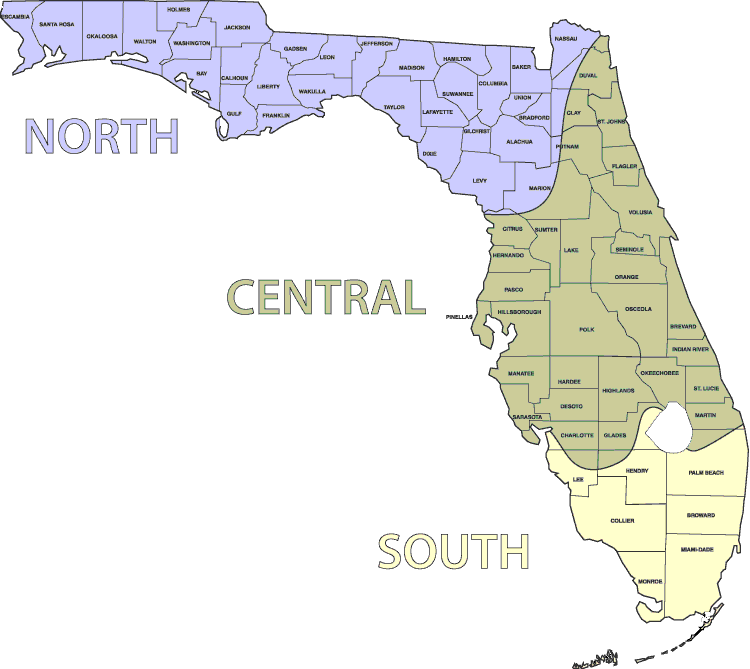
This guide provides information on when to start seeds inside, direct seed, and transplant starter plants in the different regions of Florida.
North USDA Planting Zones: 8b-9a
Central USDA Planting Zones: 9b & some of 10a
South USDA Planting Zones: 10a-11b
Visit the U.S. National Arboretum for an Exact USDA Planting Zone Map.
| Corn | North Florida | Central Florida | South Florida |
|---|---|---|---|
| Start Seeds Inside | Not recommended | Not recommended | Not recommended |
| Direct Seed | Mar-Jun | Feb-Jun | Jan-Jun |
| Transplant Starter Plants | Not recommended | Not recommended | Not recommended |
Planting Guide – Corn
Getting Started
Start Seeds Inside:
Starting corn seeds indoors is not recommended because corn does not transplant well and grows best
when directly sown in the garden.
Direct Seed:
Direct seeding corn during the warmer months ensures rapid germination and growth, taking advantage
of the long growing season.
Transplant Starter Plants:
Transplanting corn seedlings is not recommended due to their sensitivity to transplanting and
potential for root disturbance.
Soil, Sun, Water, and Spacing
Soil:
Corn prefers well-draining, fertile soil with a pH between 6.0 and 6.8. Adding compost
or well-rotted manure to the soil can improve fertility and structure.
Sun:
Corn grows best in full sun, requiring at least 6–8 hours of direct sunlight daily.
Watering:
Keep the soil consistently moist but not waterlogged. Corn requires regular watering, especially during
tasseling and ear development. Mulching can help retain soil moisture and regulate temperature.
Spacing:
Plant corn seeds 1–2 inches deep and 8–12 inches apart in rows spaced 30–36 inches apart. For good
pollination, plant corn in blocks of short rows rather than one long row.
Harvesting and Additional Tips
Harvesting:
Corn is ready to harvest when ears are fully filled out and the silk at the top turns brown, typically
60–100 days after planting. Peel back the husk slightly and puncture a kernel with your
fingernail—if the juice is milky, it’s ready. Harvest by twisting the ear downward, then snapping it up
and away from the stalk.
Additional Tips:
- Plant in blocks (not a single row) to improve wind pollination and ear fill.
- Keep moisture consistent during tasseling and ear development to prevent poor kernel set.
- Side-dress with nitrogen after plants are established for stronger stalks and better yield.
- Harvest early in the morning for best sweetness; cool quickly after picking.
Fertilization, Care, and Problems
Fertilization (N–P–K Ratio):
Corn benefits from a fertilizer with a higher nitrogen content to support rapid growth and healthy ear
development, such as 16-16-8 or 20-10-10.
When to Add:
Before Planting: Apply the fertilizer to the soil before planting seeds.
Early Growth Stage: Reapply when corn is about 12 inches tall.
Mid-Growing Season: Side-dress with nitrogen-rich fertilizer when corn begins to tassel.
Application Tips:
- Follow the directions on the fertilizer package to avoid over-fertilization.
- Apply evenly along the sides of the rows and water thoroughly so nutrients reach the roots.
Pests and Diseases in Florida:
- Corn Earworms: Caterpillars that feed on kernels at the tips of ears.
- European Corn Borers: Larvae that bore into stalks, ears, and tassels.
- Armyworms: Caterpillars that feed on leaves, ears, and stalks.
- Aphids: Sap-sucking insects that can weaken plants and spread disease.
- Cutworms: Caterpillars that can cut down young plants at the base.
- Fusarium Ear Rot: White to pink mold on kernels.
- Rust: Reddish-brown pustules on leaves.
- Smut: Gray galls on ears and kernels.
- Northern Corn Leaf Blight: Long grayish-green lesions on leaves.
Beneficial Insects:
- Ladybugs: Help control aphids.
- Hoverflies: Their larvae feed on aphids.
- Lacewings: Their larvae prey on soft-bodied pests like aphids and mites.
Blog post on Natural Fertilizers
Natural Pest Control
Companion Plants and Plants to Avoid
Companion Plants:
| Beans | Legumes that fix nitrogen in the soil and can climb corn stalks for support, improving soil fertility and helping deter some corn pests. |
| Squash | Vining plants whose broad leaves provide ground cover, helping retain soil moisture, suppress weeds, and discourage pests like cutworms around corn. |
| Marigold | Bright flowers that release root exudates deterring nematodes and other soil-borne pests while helping repel aphids and other insects from the corn patch. |
| Radish | Fast-growing roots that can act as a trap crop, drawing flea beetles and aphids away from corn and reducing pest pressure on young plants. |
| Sunflowers | Tall, sturdy flowers that attract beneficial insects which prey on corn pests and can provide light shade and wind buffering for the corn block. |
Plants to Avoid Nearby:
| Tomatoes | Can attract pests that also affect corn, such as corn earworms, increasing pest pressure when grown close together. |
|
Brassicas (Cabbage, Cauliflower, Brussels Sprouts, Broccoli, Kale) |
Compete for similar nutrients and can attract overlapping pest and disease issues, making rotations and spacing important. |
| Fennel | Often inhibits the growth of many nearby vegetables, including corn, and is best given its own space away from the corn block. |
| Dill | While useful in some parts of the garden, dill can attract pests that may harm corn when planted too close, so it’s better grouped elsewhere. |