Garden Bean
Garden beans, with their vibrant green pods and delicate leaves, add a lively and productive touch to any garden. These plants grow quickly and produce an abundance of beans, making them a favorite among gardeners. Their climbing vines or bushy forms make garden beans a versatile addition, perfect for trellises, garden beds, or even containers.
In Florida planting zone 9, garden beans thrive, providing multiple harvests throughout the growing season. The bright green pods stand out against the foliage, making it easy to spot and pick the beans at their peak. The sight of these flourishing plants can be a rewarding experience for any gardener, bringing a sense of accomplishment as the beans grow and mature.
For those new to gardening, garden beans are an ideal choice. They are not only easy to grow but also highly productive, offering a steady supply of fresh beans for your kitchen. Whether you enjoy them steamed, sautéed, or fresh from the garden, garden beans bring a delicious and nutritious addition to your meals, making your gardening efforts truly worthwhile.
Ocala Food Forest participates in affiliate programs that help support our educational and community projects. When you purchase through the links provided on our site, we may receive a small commission at no additional cost to you. This support allows us to keep the site free to access and continue researching what grows best in Central Florida’s Zone 9 climate. We only recommend products and resources we have personally tested and trust.
The vegetables listed on this page are not the only ones that can thrive in this region of Florida, but they represent the top recommended varieties for optimal growth and success in local conditions.
Garden Bean Varieties:
Bush Beans:
Blue Lake 274
Heirloom


Description: Blue Lake 274 is a classic bush bean variety known for its tender, straight, and stringless pods. It has a rich flavor and is highly productive.
Growing Season: Spring, Summer, and Fall
USDA Planting Zone: 3–10
Special Notes: Ideal for fresh eating, canning, and freezing. It matures quickly, typically in 55–60 days.
Contender
Heirloom

Description: Contender is an early-maturing bush bean variety with round, medium-green pods that are stringless when young. It is known for its excellent flavor and high yields.
Growing Season: Spring, Summer, and Fall
USDA Planting Zone: 3–9
Special Notes: Tolerates heat well and is resistant to common bean diseases. Ready for harvest in about 50 days.
Provider
Heirloom
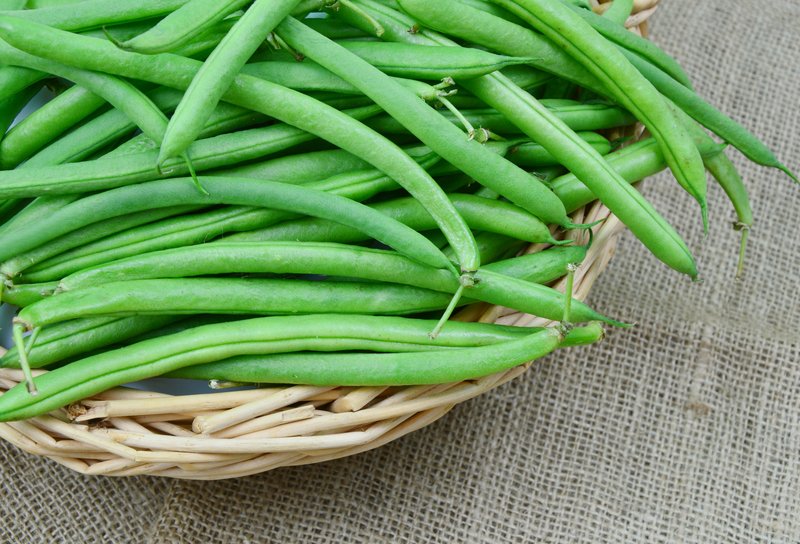
Description: Provider is a reliable bush bean variety that produces straight, green pods with a tender texture and rich flavor. It is disease-resistant and high-yielding.
Growing Season: Spring, Summer, and Fall
USDA Planting Zone: 3–9
Special Notes: Early-maturing and very productive. Ideal for fresh use, canning, and freezing. Matures in about 50 days.
Pole Beans:
Kentucky Wonder
Heirloom

Description: Kentucky Wonder is a popular pole bean variety that produces long, green pods with a rich, robust flavor. The pods are tender and stringless when young.
Growing Season: Spring, Summer, and Fall
USDA Planting Zone: 3–10
Special Notes: Excellent for fresh eating, canning, and freezing. High-yielding and matures in about 65–75 days.
Blue Lake
Heirloom

Description: Blue Lake pole beans produce long, straight, and stringless pods that are tender and flavorful. It is known for its high productivity and disease resistance.
Growing Season: Spring, Summer, and Fall
USDA Planting Zone: 3–10
Special Notes: Suitable for fresh use, canning, and freezing. Matures in about 60–70 days.
Rattlesnake
Heirloom
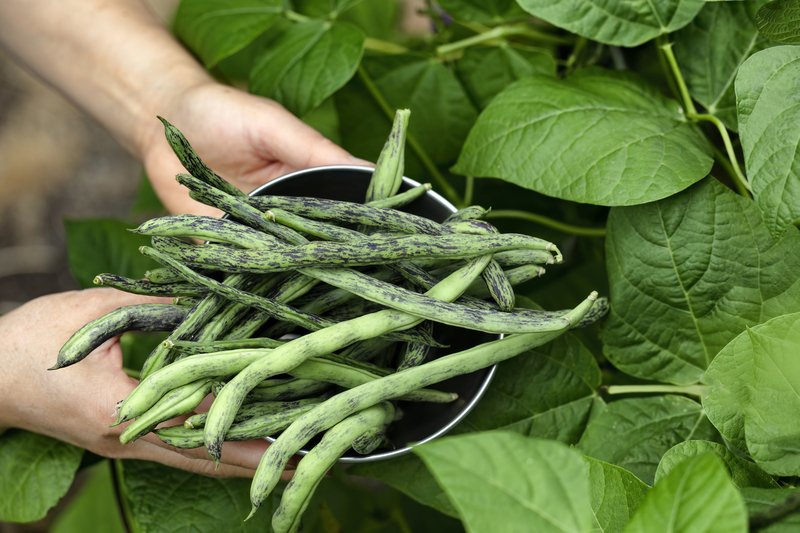
Description: Rattlesnake pole beans have long, green pods with purple streaks. They are tender, flavorful, and remain stringless even as they mature.
Growing Season: Spring, Summer, and Fall
USDA Planting Zone: 3–10
Special Notes: Very heat-tolerant and resistant to common diseases. Excellent for fresh use and canning. Matures in about 65–75 days.
Lima Beans:
Fordhook 242
Heirloom

Description: Fordhook 242 is a bush lima bean variety known for its large, plump, and creamy beans. It is highly productive and has a rich flavor.
Growing Season: Spring, Summer, and Fall
USDA Planting Zone: 3–10
Special Notes: Suitable for fresh use, canning, and freezing. Matures in about 70–80 days.
Baby Fordhook
Heirloom

Description: Baby Fordhook is a smaller version of the Fordhook 242 lima bean. It produces small, tender beans with a creamy texture and sweet flavor.
Growing Season: Spring, Summer, and Fall
USDA Planting Zone: 3–10
Special Notes: High-yielding and excellent for fresh use and freezing. Matures in about 70 days.
Florida Vegetable Planting Guide
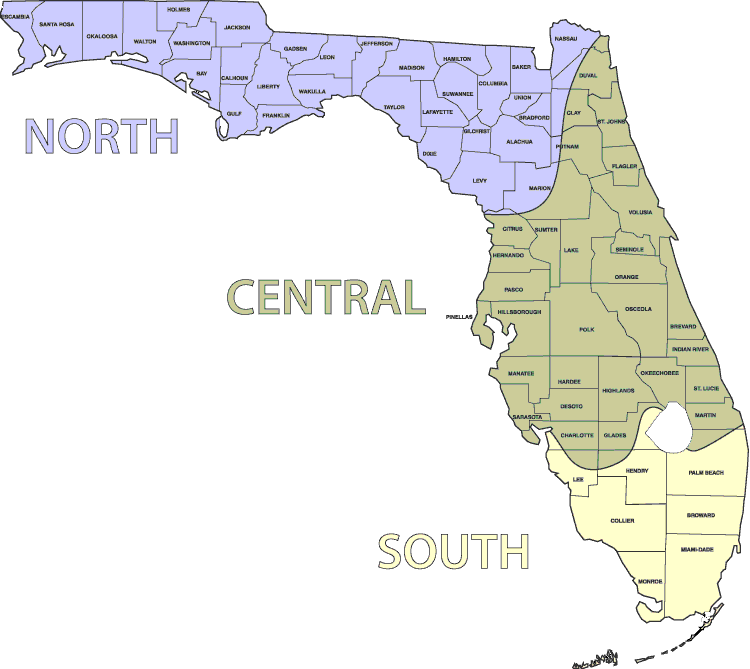
This guide provides information on when to start seeds inside, direct seed, and transplant starter plants in the different regions of Florida.
North USDA Planting Zones: 8b-9a
Central USDA Planting Zones: 9b & some of 10a
South USDA Planting Zones: 10a-11b
Visit the U.S. National Arboretum for an Exact USDA Planting Zone Map.
| Garden Bean | North Florida | Central Florida | South Florida |
|---|---|---|---|
| Start Seeds Inside | Not recommended | Not recommended | Not recommended |
| Direct Seed | Mar-Apr/Aug-Sep | Feb-Apr/Aug-Sep | Sep-Apr |
| Transplant Starter Plants | Not recommended | Not recommended | Not recommended |
Planting Guide – Garden Bean
Getting Started
Start Seeds Inside:
Starting garden bean seeds indoors is not recommended because beans grow best when their roots remain undisturbed in outdoor soil from the start.
Direct Seed:
Direct seeding garden beans during their warm-season windows allows for strong root establishment and vigorous early growth.
Transplant Starter Plants:
Transplanting bean seedlings is discouraged because their sensitive roots are easily damaged, which reduces yield and delays development.
Soil, Sun, Water, and Spacing
Soil:
Beans prefer well-drained, fertile soil with a pH between 6.0 and 6.8. Add compost or well-rotted manure to boost soil structure and fertility.
Sun:
Full sun (6–8 hours daily) is required for strong growth, flowering, and pod production.
Watering:
Maintain consistently moist—but not waterlogged—soil. Mulch helps regulate moisture and temperature during hot Florida days.
Spacing:
Bush Beans: 2–4 inches apart in rows 18–24 inches apart.
Pole Beans: 3–5 inches apart in rows 30–36 inches apart; provide a trellis or pole support.
Lima Beans: 3–6 inches apart in rows 18–24 inches apart.
Harvesting and Additional Tips
Harvesting:
Harvest beans when pods are firm and crisp, typically 50–60 days after sowing. Gently pull or use scissors to avoid damaging stems.
Additional Tips:
- Beans fix their own nitrogen, so heavy nitrogen fertilizing is unnecessary.
- Consistent moisture is essential during flowering and pod set.
- Incorporate compost before planting to enrich the soil for the full season.
Fertilization, Care, and Problems
Fertilization (N–P–K Ratio):
Beans perform best with low-nitrogen fertilizers such as 5-10-10 or 3-4-4 to encourage pod development instead of leafy growth.
When to Add:
At Planting: Apply a low-nitrogen fertilizer when seeding to promote deep root growth.
Mid-Growing Season: Add another light feeding if plants show slowed pod production.
Application Tips:
- Follow label instructions to avoid excessive nitrogen, which suppresses pod formation.
- Apply around the plant base and water in well to carry nutrients into the soil.
Pests and Diseases in Florida:
- Aphids: Cause curling, yellowing, and spread disease.
- Mexican Bean Beetles: Skeletonize leaves, leaving a lace-like appearance.
- Spider Mites: Cause stippling and yellowing, especially in dry heat.
- Root-Knot Nematodes: Create galls on roots and stunt growth.
- Anthracnose: Fungal disease producing dark, sunken lesions on pods and stems.
Blog post on Natural Fertilizers
Natural Pest Control
Companion Plants and Plants to Avoid
Companion Plants:
| Marigold | Repels nematodes, aphids, and spider mites. Protects roots and improves soil health. |
| Radish | Acts as a trap crop for aphids and flea beetles, reducing pest pressure on beans. |
| Nasturtium | Draws aphids and Mexican bean beetles away and attracts beneficial insects. |
| Rosemary | Repels spider mites, aphids, and bean beetles with its strong aroma. |
| Borage | Attracts pollinators and predatory insects while improving soil nutrients. |
Plants to Avoid Nearby:
| Onions | Can inhibit bean growth. |
| Garlic | Releases compounds that may stunt beans. |
| Leeks | Compete heavily for nutrients and inhibit growth. |
| Shallots | Similar to onions; can stunt growth. |
| Fennel | Strongly inhibits growth of most vegetables, including beans. |