Broccoli
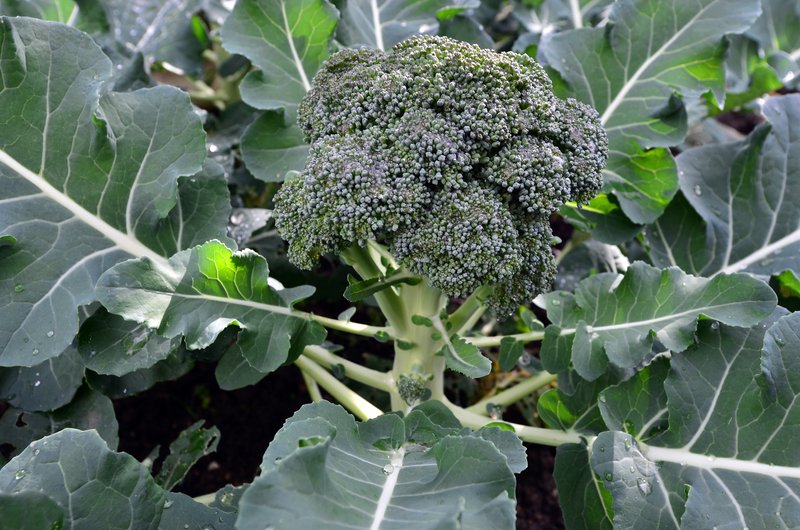
Broccoli, with its robust, green heads and sturdy stems, adds a touch of lush greenery to any garden. This cool-season vegetable is known for its dense, tree-like crowns that stand out against the leafy backdrop. Its compact yet striking appearance makes broccoli a standout feature in garden beds or vegetable plots.
In Florida planting zone 9, broccoli thrives, especially during the cooler months. The plant's heads form into tight clusters of flower buds, ready to be harvested when they reach their peak. Seeing these beautiful green heads emerge is a rewarding sight, signaling that your garden is producing healthy and nutritious vegetables.
For those new to gardening, broccoli is a fantastic choice. It’s not only visually appealing but also highly nutritious, packed with vitamins and minerals. Whether you prefer it steamed, roasted, or raw, broccoli brings a fresh and healthy addition to your meals, making your gardening efforts both enjoyable and beneficial.
Ocala Food Forest participates in affiliate programs that help support our educational and community projects. When you purchase through the links provided on our site, we may receive a small commission at no additional cost to you. This support allows us to keep the site free to access and continue researching what grows best in Central Florida’s Zone 9 climate. We only recommend products and resources we have personally tested and trust.
The vegetables listed on this page are not the only ones that can thrive in this region of Florida, but they represent the top recommended varieties for optimal growth and success in local conditions.
Broccoli Varieties:
Green Magic
Hybrid

Description: Green Magic is a heat-tolerant broccoli variety known for its smooth, uniform heads and excellent flavor. It has a compact growth habit and is resistant to many common diseases.
Growing Season: Fall and Winter
USDA Planting Zone: 9–11
Special Notes: Performs well in warmer climates and has good side shoot production after the main head is harvested.
Sun King
Hybrid

Description: Sun King is another heat-tolerant variety that produces large, firm heads with a deep green color. It is known for its adaptability to different growing conditions.
Growing Season: Fall and Winter
USDA Planting Zone: 9–11
Special Notes: Resistant to downy mildew and offers a high yield. It's suitable for planting in regions with warmer winters.
De Cicco
Heirloom


Description: De Cicco is an heirloom variety that produces smaller heads but has a long harvest period. It is known for its sweet flavor and tender texture.
Growing Season: Fall and Winter
USDA Planting Zone: 3–10
Special Notes: Excellent for continuous harvesting as it produces numerous side shoots after the main head is cut. Suitable for both cool and warm climates.
Calabrese
Heirloom
Description: Calabrese is a popular variety with medium-sized heads and a rich, robust flavor. It is an heirloom variety that dates back to the 19th century.
Growing Season: Fall and Winter
USDA Planting Zone: 3–10
Special Notes: Produces side shoots that can be harvested after the main head. Known for its adaptability to various growing conditions.
Florida Vegetable Planting Guide
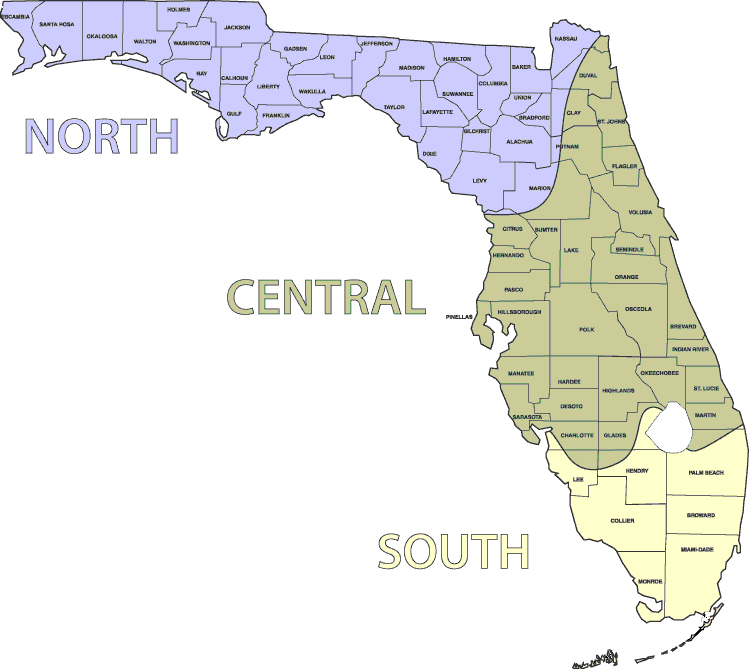
This guide provides information on when to start seeds inside, direct seed, and transplant starter plants in the different regions of Florida.
North USDA Planting Zones: 8b-9a
Central USDA Planting Zones: 9b & some of 10a
South USDA Planting Zones: 10a-11b
Visit the U.S. National Arboretum for an Exact USDA Planting Zone Map.
| Broccoli | North Florida | Central Florida | South Florida |
|---|---|---|---|
| Start Seeds Inside | Jul-Dec | Aug-Dec | Sep-Jan |
| Direct Seed | Aug-Feb | Sep-Feb | Oct-Jan |
| Transplant Starter Plants | Aug-Mar | Oct-Mar | Oct-Feb |
Planting Guide – Broccoli
Getting Started
Start Seeds Inside:
Starting broccoli seeds indoors in late summer provides controlled conditions for germination and growth, producing sturdy seedlings ready to transplant outdoors in the fall.
Direct Seed:
Direct seeding broccoli during the cooler months allows for quick germination and establishment while avoiding heat stress that can cause poor growth or early bolting.
Transplant Starter Plants:
Transplanting starter plants in cooler weather helps broccoli establish quickly, make full use of the growing season, and develop strong, productive heads.
Soil, Sun, Water, and Spacing
Soil:
Broccoli prefers well-drained, fertile soil with a pH between 6.0 and 7.0. Mix in compost or well-rotted manure to improve fertility and structure.
Sun:
Full sun is ideal, but broccoli can handle partial shade, especially in hotter parts of Florida where afternoon shade can reduce stress.
Watering:
Keep soil consistently moist but never soggy. Mulch helps hold moisture, keep roots cool, and reduce weed pressure.
Spacing:
Space seedlings about 18–24 inches apart in rows 10–15 inches apart. Good spacing supports airflow, reduces disease risk, and gives heads room to size up.
Harvesting and Additional Tips
Harvesting:
Harvest when the central head is firm, full, and tightly budded—usually 60–100 days after planting. Cut 5–6 inches below the head before buds open into flowers. Side shoots often follow for extended harvest.
Additional Tips:
- Incorporate compost for extra organic matter and better soil structure.
- Mulch to conserve moisture, suppress weeds, and moderate soil temperature.
- Maintain even watering, especially during head formation, to prevent stress and loose heads.
Fertilization, Care, and Problems
Fertilization (N–P–K Ratio):
Broccoli is a heavy feeder that responds well to balanced fertilizers with good nitrogen content, such as 10-10-10 or 14-14-14, applied according to label directions.
When to Add:
Before Planting: Work fertilizer into the soil ahead of seeding or transplanting to jump-start leafy growth.
Mid-Growing Season: Side-dress about four weeks after planting and again as heads begin to form to support steady development.
Application Tips:
- Follow package directions to avoid over-fertilization and nutrient burn.
- Apply fertilizer around the base of plants and water thoroughly to move nutrients into the root zone.
Pests and Diseases in Florida:
- Aphids: Cause curling, yellowing, and can spread disease.
- Cabbage Worms: Chew large holes and can quickly defoliate plants.
- Flea Beetles: Create many small “shot” holes in leaves.
- Cutworms: Cut down young plants at the base.
- Downy Mildew: Causes yellowing with fuzzy gray growth on leaf undersides.
- Clubroot: Swollen, distorted roots leading to stunted growth.
- Black Rot: Yellow V-shaped lesions on leaf edges with darkened veins.
Blog post on Natural Fertilizers
Natural Pest Control
Companion Plants and Plants to Avoid
Companion Plants:
| Onions | The strong aroma helps repel aphids, flea beetles, and other pests that target broccoli. Their scent can mask broccoli, making it harder for insects to find. |
| Marigold | Roots release compounds that deter nematodes and soil-borne pests, while the foliage helps repel aphids and flea beetles around broccoli. |
| Dill | Attracts beneficial insects such as ladybugs and predatory wasps that feed on aphids, cabbage worms, and flea beetles attacking broccoli. |
| Chamomile | Draws in hoverflies and parasitic wasps that prey on aphids and other soft-bodied pests; may also offer mild antifungal benefits in the bed. |
| Mint | Its strong scent helps deter aphids, flea beetles, and cabbage worms while attracting beneficial insects. Grow in containers or controlled areas to prevent spreading. |
Plants to Avoid Nearby:
| Tomatoes | Compete for nutrients and can attract pests that also harm broccoli, increasing overall pressure in the bed. |
| Strawberries | Can carry pests and diseases that affect broccoli and compete for water and nutrients at the soil surface. |
| Peppers | May stunt broccoli growth by competing for nutrients and drawing in overlapping pest populations. |
| Garden Beans | Can inhibit broccoli growth when planted too close, competing for similar resources in the soil. |
|
Brassicas (Cabbage, Cauliflower, Kale, Brussels Sprouts) |
Share similar nutrient needs and attract many of the same pests and diseases, increasing pressure when grown right next to broccoli. |