Strawberries
Strawberries, with their bright red fruits and lush green foliage, bring a sweet and delightful touch to any garden. These low-growing plants are known for their juicy, flavorful berries that are perfect for fresh eating, desserts, and preserves. The combination of their vibrant red berries and attractive green leaves makes strawberries a charming addition to garden beds, containers, or hanging baskets.
In Florida planting zone 9, strawberries thrive particularly well during the cooler months. The plants produce a bounty of sweet, fragrant berries that are ready to be picked and enjoyed. Watching the berries ripen from green to red is a rewarding experience, showcasing the success of your gardening efforts.
For those new to gardening, strawberries are a fantastic choice. They are relatively easy to grow and provide a continuous supply of fresh, delicious fruit. Whether you enjoy them straight from the garden, in a smoothie, or as a topping for desserts, strawberries bring a burst of sweetness and joy to your meals, making your gardening endeavors both enjoyable and fruitful.
Ocala Food Forest participates in affiliate programs that help support our educational and community projects. When you purchase through the links provided on our site, we may receive a small commission at no additional cost to you. This support allows us to keep the site free to access and continue researching what grows best in Central Florida’s Zone 9 climate. We only recommend products and resources we have personally tested and trust.
The fruit listed on this page are not the only ones that can thrive in this region of Florida, but they represent the top recommended varieties for optimal growth and success in local conditions.
Strawberry Varieties:
(Florida-Friendly & Common in Zone 9)
Sweet Charlie

Description: Sweet Charlie strawberries are known for their early harvest and sweet flavor. They produce medium-sized, bright red berries with a firm texture.
Growing Season: Fall and Winter
USDA Planting Zone: 4–9
Special Notes: Excellent disease resistance and very sweet flavor. An early-bearing variety, making it great for early season harvest.
Florida Radiance
Description: Florida Radiance is a popular variety in Florida due to its high yields and large, uniform berries. The fruits are bright red and have a sweet, mild flavor.
Growing Season: Fall and Winter
USDA Planting Zone: 4–10
Special Notes: High-yielding and well-adapted to Florida's climate. Resistant to common diseases and produces berries over a long season.
Camarosa
Description: Camarosa strawberries are known for their large, firm berries and excellent flavor. They produce bright red, conical berries that are perfect for fresh eating and desserts.
Growing Season: Fall and Winter
USDA Planting Zone: 4–10
Special Notes: High-yielding and disease-resistant. Suitable for both commercial and home gardens.
Festival
Description: Festival strawberries produce large, juicy, bright red berries with a sweet flavor. They are known for their firm texture and long shelf life.
Growing Season: Fall and Winter
USDA Planting Zone: 4–10
Special Notes: Excellent for fresh eating and shipping. Resistant to several common diseases and performs well in Florida's climate.
Albion
Description: Albion strawberries are known for their large, firm berries and sweet flavor. They are an everbearing variety, producing fruit throughout the season.
Growing Season: Fall, Winter, and Spring
USDA Planting Zone: 4–10
Special Notes: Resistant to common diseases and adaptable to different growing conditions. Produces berries over an extended period.
Florida Vegetable Planting Guide
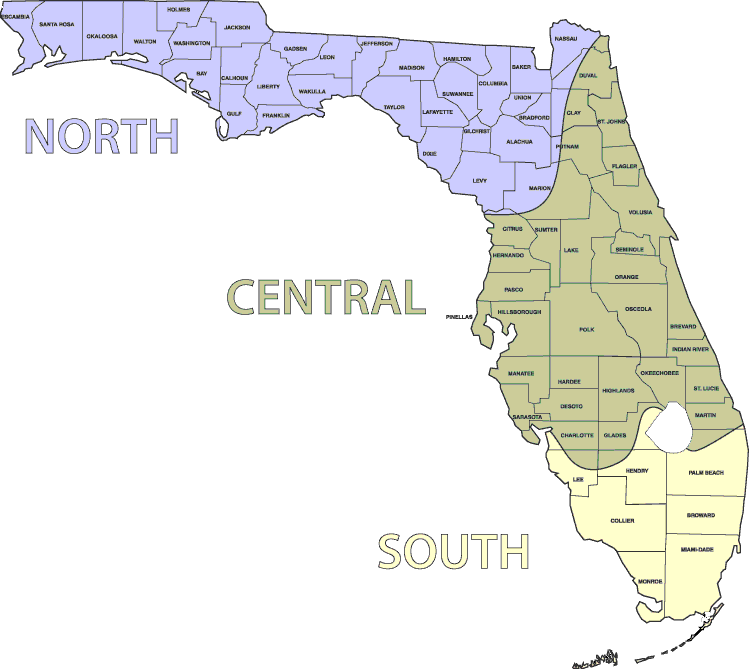
This guide provides information on when to start seeds inside, direct seed, and transplant starter plants in the different regions of Florida.
North USDA Planting Zones: 8b–9a
Central USDA Planting Zones: 9b & some of 10a
South USDA Planting Zones: 10a–11b
Visit the U.S. National Arboretum for an Exact USDA Planting Zone Map.
| Strawberry | North Florida | Central Florida | South Florida |
|---|---|---|---|
| Start Seeds Inside | Jul–Aug | Jul–Aug | Aug–Sep |
| Direct Seed | Not recommended | Not recommended | Not recommended |
| Transplant Starter Plants | Sep–Oct | Sep–Oct | Oct–Nov |
Planting Guide – Strawberries
Getting Started
Start Seeds Inside:
Starting strawberry seeds indoors allows for controlled conditions, ensuring strong seedlings ready for transplanting outdoors.
Direct Seed:
Direct seeding strawberries is not recommended because they have a long germination period and benefit from indoor germination and growth.
Transplant Starter Plants:
Transplanting strawberry starter plants in late fall helps them establish quickly in the garden, leading to a productive harvest.
Soil, Sun, Water, and Spacing
Soil:
Strawberries prefer well-drained, sandy loam soil with a pH between 5.5 and 6.5. Amend the soil with compost or well-rotted manure to improve fertility and structure.
Sun:
Full sun is essential for optimal growth and fruit production. Ensure strawberries receive at least 6–8 hours of sunlight daily.
Watering:
Keep the soil consistently moist but not waterlogged. Drip irrigation is ideal for maintaining consistent moisture levels. Mulching helps retain soil moisture and regulate temperature.
Spacing:
Plant strawberry plants 12–18 inches apart. Proper spacing ensures adequate air circulation and room for growth.
Harvesting and Additional Tips
Harvesting:
Strawberries are ready to harvest when they are fully red, firm, and have a sweet aroma, typically 30–60 days after the flowers bloom.
Gently pull the berries from the stem, leaving the green caps on. Pick carefully to avoid bruising.
Additional Tips:
- Improve fertility and drainage by adding compost before planting.
- Mulch (often straw) keeps berries clean, suppresses weeds, and helps hold consistent moisture.
- Consistent moisture during flowering and fruiting helps prevent stress and misshapen berries.
- Keep foliage dry when possible (drip irrigation helps) to reduce fungal issues.
Fertilization, Care, and Problems
Fertilization (N–P–K Ratio):
Strawberries benefit from a balanced fertilizer with slightly higher phosphorus and potassium to support fruiting, such as 10-10-10 or 5-10-10.
When to Add:
Before Planting: Apply fertilizer to the soil before planting to promote strong initial growth.
Early Spring: Reapply as new growth begins.
Mid-Growing Season: Reapply after the first harvest to support continued production.
Application Tips:
- Always follow the directions on the fertilizer package to avoid over-fertilization.
- Apply evenly around the base of plants and water thoroughly so nutrients reach the roots.
Pests and Diseases that Affect Strawberries in Florida:
- Aphids: Sap-sucking insects causing curling and yellowing; can spread disease.
- Spider Mites: Cause stippling and yellowing; thrive in hot, dry conditions.
- Strawberry Root Weevils: Larvae feed on roots causing wilting and decline.
- Slugs and Snails: Chew holes in leaves and fruits and can ruin ripening berries.
- Gray Mold (Botrytis): Gray fuzzy mold on fruit, especially in damp conditions.
- Powdery Mildew: White powdery coating on leaves, reducing vigor.
Blog post on Natural Fertilizers
Natural Pest Control
Companion Plants and Plants to Avoid
Companion Plants:
| Borage | Borage attracts pollinators and beneficial insects that help reduce pest pressure (like aphids and mites). It can also improve soil health by adding trace minerals. |
| Spinach | Spinach acts as a living ground cover, helping suppress weeds and conserve soil moisture around strawberries during the cool season. |
| Marigold | Marigolds help deter soil pests and can reduce nematode pressure. They also contribute to a more pest-resistant planting area around strawberries. |
| Lettuce | Lettuce grows quickly and helps shade the soil surface, keeping roots cooler and moisture steadier. It also has shallow roots, so it doesn’t compete heavily. |
| Thyme | Thyme’s aroma can help deter slugs and snails, while its flowers attract beneficial insects. It also stays low and works well as an edge plant near strawberries. |
Plants to Avoid Nearby:
| Cabbage | Brassicas can attract pests and diseases that complicate strawberry plantings, increasing overall pest pressure in the bed. |
| Cauliflower | A heavy feeder that can compete for nutrients and can bring similar pest issues into the same growing space. |
| Broccoli | Competes for nutrients and can attract pests that make strawberry maintenance harder, especially in shared beds. |
| Brussels Sprouts | Compete for nutrients and can host persistent pests that increase pressure on nearby strawberries. |
| Kale | Can attract similar pests and compete for space and nutrients, making strawberries harder to keep clean and productive. |