Lettuce
Lettuce, with its crisp leaves and refreshing taste, brings a light and vibrant touch to any garden. This leafy green is a staple in salads and a variety of dishes, known for its wide range of textures and colors, from soft, buttery leaves to crisp, crunchy varieties. Its lush growth and appealing hues make lettuce an attractive addition to garden beds, containers, or even window boxes.
In Florida planting zone 9, lettuce grows particularly well during the cooler months. The plants form into neat, leafy rosettes, ready to be harvested leaf by leaf or as whole heads. Watching these fresh greens flourish is a satisfying experience, marking the success of your gardening efforts.
For those new to gardening, lettuce is an excellent choice. It is quick to grow and offers a continuous harvest, providing a steady supply of fresh, nutritious leaves. Whether you enjoy it in salads, sandwiches, or as a garnish, lettuce brings a crisp and healthy addition to your meals, making your gardening endeavors both rewarding and delicious.
Ocala Food Forest participates in affiliate programs that help support our educational and community projects. When you purchase through the links provided on our site, we may receive a small commission at no additional cost to you. This support allows us to keep the site free to access and continue researching what grows best in Central Florida’s Zone 9 climate. We only recommend products and resources we have personally tested and trust.
The vegetables listed on this page are not the only ones that can thrive in this region of Florida, but they represent the top recommended varieties for optimal growth and success in local conditions.
Lettuce Varieties:
Buttercrunch
Heirloom

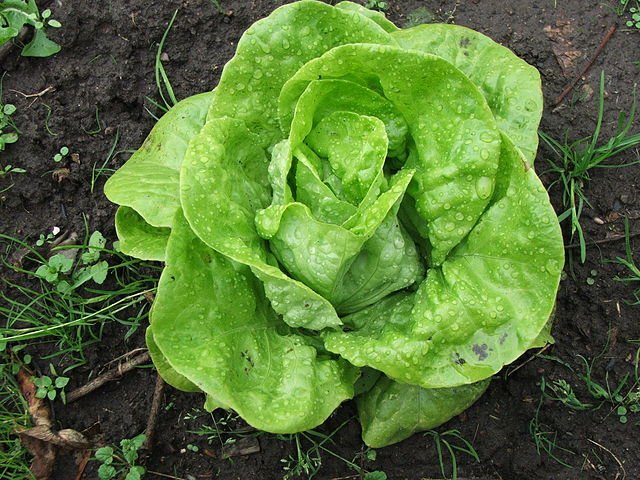
Description: Buttercrunch is a type of Bibb lettuce known for its soft, buttery leaves and compact head. It has a sweet, mild flavor and tender texture.
Growing Season: Fall and Winter
USDA Planting Zone: 2–11
Special Notes: Heat-tolerant and slow to bolt, making it ideal for warmer climates like Florida.
Romaine (Parris Island Cos)
Heirloom

Description: Parris Island Cos is a variety of Romaine lettuce that produces tall, upright heads with dark green, crisp leaves. It has a crunchy texture and a slightly sweet flavor.
Growing Season: Fall and Winter
USDA Planting Zone: 3–11
Special Notes: Tolerates heat better than other varieties, making it a good choice for extended growing seasons.
Leaf Lettuce (Black-Seeded Simpson)
Heirloom

Description: Black-Seeded Simpson is a popular leaf lettuce variety with light green, frilly leaves. It has a mild, slightly sweet flavor and a tender texture.
Growing Season: Fall and Winter
USDA Planting Zone: 2–11
Special Notes: Very heat-tolerant and quick-growing, allowing for multiple harvests throughout the season.
Red Leaf Lettuce (Red Sails)
Heirloom

Description: Red Sails is a red leaf lettuce variety with beautiful, ruffled leaves that are deep red at the tips and green at the base. It has a mild flavor and tender texture.
Growing Season: Fall and Winter
USDA Planting Zone: 2–11
Special Notes: Slow to bolt and adds a pop of color to salads and dishes.
Oakleaf Lettuce (Salad Bowl)
Heirloom

Description: Salad Bowl is an oakleaf lettuce variety with deeply lobed, light green leaves. It has a mild flavor and tender texture, making it perfect for salads.
Growing Season: Fall and Winter
USDA Planting Zone: 2–11
Special Notes: Heat-tolerant and resistant to bolting, allowing for an extended harvest period.
Florida Vegetable Planting Map
This guide provides information on when to start seeds inside, direct seed, and transplant starter plants in the different regions of Florida.
North USDA Planting Zones: 8b-9a
Central USDA Planting Zones: 9b & some of 10a
South USDA Planting Zones: 10a-11b
Visit the U.S. National Arboretum for an Exact USDA Planting Zone Map.
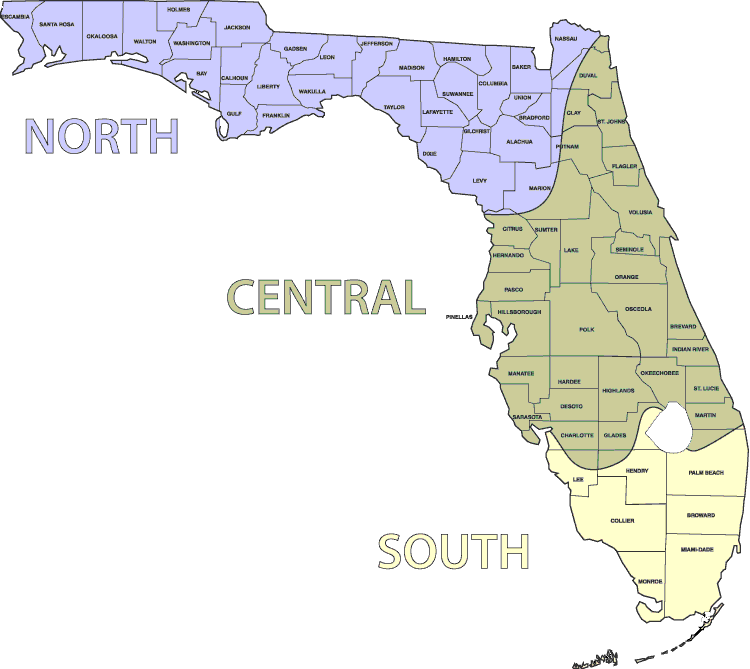
| Lettuce | North Florida | Central Florida | South Florida |
|---|---|---|---|
| Start Seeds Inside | Jan-Feb & Aug-Sep | Aug-Sep | Aug-Sep |
| Direct Seed | Jan-Feb & Sep-Oct | Sep-Mar | Oct-Mar |
| Transplant Starter Plants | Oct-Mar | Oct-Mar | Oct-Mar |
Planting Guide – Lettuce
Getting Started
Start Seeds Inside:
Starting lettuce seeds indoors in late summer or early fall allows for a controlled environment with good
germination and strong seedlings that are ready for transplanting as soon as outdoor conditions cool.
Direct Seed:
Direct seeding lettuce during cooler months takes advantage of ideal temperatures and avoids the heat
stress that can lead to bolting and bitter leaves.
Transplant Starter Plants:
Transplanting lettuce starter plants provides a head start in the garden, allowing for quicker harvests
and more efficient use of bed space, especially in small or intensively planted gardens.
Weather plays a big role: leaf types grow especially well in Florida, while crisphead types should only be grown in the coolest months. Lettuce is sensitive to both heat and hard freezes—warm temperatures can cause bitterness and early bolting, and freezing can damage or kill plants.
Soil, Sun, Water, and Spacing
Soil:
Lettuce prefers well-drained, fertile soil with a pH between 6.0 and 6.8.
Work in compost or well-rotted manure to improve fertility and soil structure.
Sun:
Partial shade is beneficial during the hottest part of the day in Florida. Use shade cloths or choose a
location that receives morning sun and afternoon shade to reduce bolting and bitterness.
Watering:
Keep soil consistently moist but not waterlogged. Mulching helps retain moisture and regulate soil temperature.
Water early in the morning to reduce evaporation and give foliage time to dry, which helps limit disease.
Spacing:
Plant lettuce seeds or transplants about 8–12 inches apart in rows spaced around 18 inches apart.
Proper spacing ensures good air circulation, reduces disease pressure, and allows heads or leaf rosettes
to reach full size.
Sow seeds very shallow, as lettuce needs light to germinate. You can lightly press seeds into the soil surface or barely cover them with fine soil.
Harvesting and Additional Tips
Harvesting:
Lettuce is ready to harvest when leaves reach a usable size, usually 6–8 inches long. Loose-leaf varieties
can be harvested by cutting outer leaves and allowing inner leaves to continue growing. Head lettuce is
ready when heads are firm and well-formed, typically 60–80 days after planting.
How to Harvest:
Harvest in the morning for the best texture. For loose-leaf types, cut outer leaves first and avoid damaging
the center so plants can keep producing. For head types, cut at the base when heads are full and firm.
Additional Tips:
- Build organic matter with compost to improve soil fertility and water-holding capacity.
- Mulch around plants to help retain moisture, suppress weeds, and buffer soil temperature.
- Keep moisture and nutrients consistent—stress can make leaves tough or bitter.
Fertilization, Care, and Common Problems
Fertilization (N–P–K Ratio):
Lettuce benefits from a fertilizer with a higher nitrogen content to support leafy growth, such as
10-5-5 or 20-10-10, along with plenty of organic matter.
When to Add:
Before Planting: Apply fertilizer and mix it into the soil before sowing
or transplanting to encourage strong initial growth.
Mid-Growing Season: Reapply every 2–4 weeks during the growing season to
support ongoing leafy growth and tender, flavorful leaves.
Application Tips:
- Follow the directions on the fertilizer package to avoid over-fertilization.
- Apply fertilizer evenly around the base of plants and avoid direct contact with stems.
- Water thoroughly after fertilizing to help nutrients move into the root zone.
Pests and Diseases in Florida:
- Aphids: Small insects that suck sap from leaves and stems, causing curling and yellowing.
- Slugs and Snails: Feed on leaves, leaving holes and ragged edges, especially in cool, moist conditions.
- Leaf Miners: Larvae tunnel inside leaves, creating winding, pale trails and weakening plants.
- Downy Mildew: Causes yellowing leaves with fuzzy, grayish growth on the undersides, especially in cool, damp weather.
- Powdery Mildew: Appears as a white, powdery coating on leaves, reducing vigor and quality.
- Lettuce Mosaic Virus: Viral disease causing mottled leaves, distortion, and stunted growth.
Blog post on Natural Fertilizers
Natural Pest Control
By selecting the right lettuce varieties and following these growing tips, you can achieve a successful and bountiful lettuce harvest in your Florida garden.
Companion Plants and Plants to Avoid
Companion Plants:
| Chives | Perennial herbs with long, thin, green leaves and a mild onion flavor. Their strong scent helps repel aphids and other pests, while flowers attract beneficial insects that keep pest populations in check. |
| Garlic | Bulb-forming plants with a strong scent and taste. Garlic helps repel aphids, slugs, and snails, and its natural antifungal properties can reduce downy and powdery mildew pressure around lettuce. |
| Marigold | Bright, sunny flowers that release root exudates which deter nematodes and other soil-borne pests. They also help repel aphids, slugs, and other insects, providing a protective buffer around lettuce beds. |
| Radish | Fast-growing roots that can act as trap crops for leaf miners and aphids, drawing these pests away from tender lettuce leaves and reducing direct damage to your salad crops. |
| Nasturtium | Vining or mounding flowers with round leaves and vibrant blooms. Nasturtiums act as trap crops, luring aphids and other pests away from lettuce while attracting beneficial insects that prey on those pests. |
Plants to Avoid Nearby:
| Broccoli | Competes for nutrients and can attract pests that also target lettuce. Growing them separately can reduce shared pest and disease problems. |
| Brussels Sprouts | Similar to broccoli, they draw on similar nutrients and can attract overlapping pests, putting extra stress on nearby lettuce. |
| Cauliflower | Heavy feeder that competes for the same nutrients and tends to bring in brassica pests that can also damage lettuce when planted too close. |
| Cabbage | Another nutrient-demanding brassica that competes with lettuce and can attract caterpillars and other pests that spread through the bed. |
| Fennel | Known to inhibit the growth of many nearby plants, including lettuce, through allelopathic compounds in its roots and foliage. Best kept in its own dedicated area. |