Spinach
Spinach, with its tender, dark green leaves and mild flavor, brings a nutritious and versatile touch to any garden. This leafy green is known for its rapid growth and high nutritional value, offering a variety of uses in the kitchen. Its lush, vibrant leaves make spinach an attractive addition to garden beds, containers, or even window boxes.
In Florida planting zone 9, spinach thrives particularly well during the cooler months. The plants form into dense, leafy rosettes, ready to be harvested leaf by leaf or as whole plants. Watching these vibrant greens flourish is a satisfying experience, marking the success of your gardening efforts.
For those new to gardening, spinach is an excellent choice. It is relatively easy to grow and provides a continuous supply of fresh, nutritious leaves. Whether you enjoy it in salads, smoothies, or cooked dishes, spinach brings a hearty and healthy addition to your meals, making your gardening endeavors both productive and delicious.
Affiliate Disclaimer: Ocala Food Forest participates in affiliate programs that help support our educational and community projects. When you purchase through the links provided on our site, we may receive a small commission at no additional cost to you. This support allows us to keep the site free to access and continue researching what grows best in Central Florida’s Zone 9 climate. We only recommend products and resources we have personally tested and trust.
The vegetables listed on this page are not the only ones that can thrive in this region of Florida, but they represent the top recommended varieties for optimal growth and success in local conditions.
Spinach Varieties:
(Cool-Season Spinach and Heat-Tolerant Alternatives)
Bloomsdale Long Standing
Heirloom



Description: Bloomsdale Long Standing is an heirloom spinach variety known for its dark green, crinkled leaves and sweet flavor. It is particularly valued for its slow bolting in warm weather.
Growing Season: Fall, Winter, and Early Spring
USDA Planting Zone: 3–9
Special Notes: Very cold-tolerant and performs well in cooler temperatures, but it also handles the warmth of Zone 9 better than some other varieties.
Space
Hybrid
Description: Space is a hybrid spinach variety known for its smooth, dark green leaves and fast growth. It is relatively heat-tolerant and slow to bolt.
Growing Season: Fall, Winter, and Early Spring
USDA Planting Zone: 3–9
Special Notes: Great for both baby greens and mature leaves. It has good disease resistance and performs well in mild climates.
Corvair
Description: Corvair is a semi-savoy spinach variety with smooth, dark green leaves. It is heat-tolerant and resistant to downy mildew, making it a robust choice for warmer climates.
Growing Season: Fall, Winter, and Early Spring
USDA Planting Zone: 3–9
Special Notes: Fast-growing and versatile, suitable for baby greens and full-sized leaves.
Malabar (Basella alba)
Description: Malabar spinach is not a true spinach but a heat-tolerant leafy green that thrives in hot climates. It has thick, glossy leaves and a slightly mucilaginous texture.
Growing Season: Spring, Summer, and Fall
USDA Planting Zone: 7–11
Special Notes: This vining plant can be grown on a trellis and is extremely heat-tolerant, making it a great substitute for traditional spinach during the hotter months.
New Zealand (Tetragonia tetragonioides)
Heirloom
Description: New Zealand spinach is a heat-tolerant alternative to traditional spinach, producing small, succulent leaves with a mild flavor.
Growing Season: Spring, Summer, and Fall
USDA Planting Zone: 6–10
Special Notes: Thrives in hot weather and can be eaten fresh in salads or cooked just like standard spinach.
Florida Vegetable Planting Guide
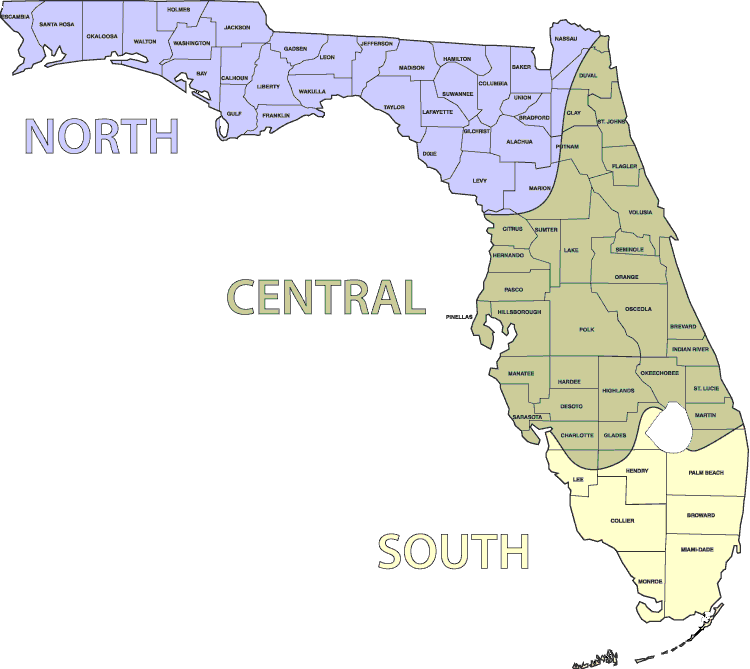
This guide provides information on when to start seeds inside, direct seed, and transplant starter plants in the different regions of Florida.
North USDA Planting Zones: 8b–9a
Central USDA Planting Zones: 9b & some of 10a
South USDA Planting Zones: 10a–11b
Visit the U.S. National Arboretum for an Exact USDA Planting Zone Map.
| Spinach | North Florida | Central Florida | South Florida |
|---|---|---|---|
| Start Seeds Inside | Sep–Oct | Sep–Oct | Sep–Nov |
| Direct Seed | Sep–Mar | Sep–Mar | Oct–Feb |
| Transplant Starter Plants | Sep–Mar | Sep–Mar | Oct–Feb |
Planting Guide – Spinach
Getting Started
Start Seeds Inside:
Starting spinach seeds indoors in early fall allows for controlled conditions, producing strong seedlings that
can be transplanted outdoors once temperatures cool. This is especially useful in warmer parts of Florida where
fall heat can linger.
Direct Seed:
Direct seeding spinach in the fall through early spring takes advantage of cooler temperatures and shorter days.
Seeds germinate readily in cool, moist soil, and plants establish quickly when sown directly in the garden.
Transplant Starter Plants:
Transplanting spinach starter plants in late fall and winter helps them establish quickly and get a head start
on growth before warm weather returns. This can extend your harvest window in Florida’s mild winters.
New Zealand spinach and Malabar spinach, although not true spinach, grow well during the warm summer months in Florida. Use these heat-loving greens as a summer substitute when traditional spinach struggles in the heat.
Soil, Sun, Water, and Spacing
Soil:
Spinach prefers well-drained, fertile soil with a pH between 6.0 and 7.0. Work in compost or
well-rotted manure before planting to improve fertility and structure. Rich, loose soil supports deep rooting
and tender leaves.
Sun:
Full sun to partial shade is ideal. In Florida’s warmer climate, some afternoon shade helps prevent bolting and
keeps leaves tender. In cooler months, more direct sun is beneficial for strong growth.
Watering:
Keep the soil consistently moist but not waterlogged. Spinach has shallow roots and can dry out quickly in windy
or sunny conditions. Mulching helps retain moisture and moderate soil temperature.
Spacing:
Plant spinach seeds about 1/2 inch deep and space them 2–6 inches apart in rows about 12 inches apart. Thin
seedlings as they grow to give each plant enough space to form full rosettes of leaves.
Harvesting and Additional Tips
Harvesting:
Spinach is ready to harvest when leaves are about 3–4 inches long, typically 40–60 days after
planting depending on the variety and weather. Harvest individual outer leaves as needed for a cut-and-come-again
approach, or cut the entire plant just above the soil line for a full head harvest.
Additional Tips:
- Spinach grows best in soil rich in organic matter. Adding compost improves fertility and helps retain moisture.
- Mulch around plants to help retain moisture, suppress weeds, and keep soil temperatures more even.
- Keep soil consistently moist to prevent stress, which can cause bitterness and early bolting.
- Use Malabar spinach and New Zealand spinach as warm-season stand-ins when temperatures are too high for true spinach.
Fertilization, Care, and Problems
Fertilization (N–P–K Ratio):
Spinach responds well to fertilizers with higher nitrogen content to support leafy growth, such as
16-16-8 or 20-10-10, used in moderation.
When to Add:
Before Planting: Apply fertilizer to the soil before sowing seeds or transplanting
seedlings to promote strong initial growth.
Mid-Growing Season: Reapply lightly every 3–4 weeks during the growing season
if plants appear pale or growth slows.
Application Tips:
- Always follow the directions on the fertilizer package to avoid burning plants or over-fertilizing.
- Apply fertilizer evenly around plants and water well so nutrients move into the root zone.
Pests and Diseases that Affect Spinach in Florida:
- Aphids: Sap-sucking insects that cause leaf curling, yellowing, and can spread disease.
- Leaf Miners: Larvae that tunnel inside leaves, leaving winding, pale trails and weakening plants.
- Flea Beetles: Small beetles that chew small holes in leaves, reducing photosynthesis.
- Downy Mildew: Causes yellow patches on leaf surfaces with fuzzy gray growth underneath.
- Powdery Mildew: Leaves develop a white, powdery coating that reduces vigor.
- White Rust: Produces white blisters on leaves, compromising plant health and yield.
Blog post on Natural Fertilizers
Natural Pest Control
Companion Plants and Plants to Avoid
Companion Plants:
| Radish | Radishes can act as a trap crop, attracting flea beetles and leaf miners away from spinach. This reduces pest pressure on spinach leaves and helps keep the main crop healthier. |
| Lettuce | Lettuce grows quickly and provides ground cover that keeps the soil cool and moist around spinach. With shallow roots and light nutrient needs, it does not compete heavily with spinach. |
| Marigold | Marigolds release natural compounds that deter nematodes and help repel aphids and flea beetles. Planting them near spinach adds a layer of natural pest protection. |
| Onions | Onions have a strong aroma that helps confuse and repel aphids, flea beetles, and other pests that might target spinach. They also make efficient use of vertical space in mixed beds. |
| Strawberries | Spinach and strawberries grow well together. Spinach can act as a living mulch, suppressing weeds and helping retain soil moisture around strawberry plants without competing heavily for nutrients. |
Plants to Avoid Nearby:
| Potatoes | Potatoes can spread soil-borne diseases and compete strongly for nutrients and water, which can weaken spinach plants and reduce yields. |
| Melons | Melons are heavy feeders that require lots of space, water, and nutrients. They can overshadow spinach and attract pests that may also target leafy greens. |
| Squash | Squash plants spread widely and compete for light, space, and nutrients. They can also harbor pests and diseases that negatively impact spinach. |
| Fennel | Fennel is known to inhibit the growth of many nearby plants, including spinach, through allelopathic compounds released into the soil. |