Melons: Watermelon, Cantaloupe & Honeydew
Watermelons and muskmelons, with their sprawling vines and sweet, juicy fruits, bring a delightful and refreshing touch to any garden. Known for their vibrant green rinds and fragrant, netted skins, these melons are a summertime favorite. Their long, trailing vines and broad leaves create a lush ground cover, making them a striking addition to garden beds or spacious containers.
In Florida planting zone 9, both watermelons and muskmelons thrive during the warm months. Watermelons develop into sizable fruits with sweet, red flesh, while muskmelons mature into aromatic melons with a variety of flesh colors, from orange to green. Watching these fruits grow and ripen is a delightful experience, promising a delicious reward for your gardening efforts.
For those new to gardening, watermelons and muskmelons are fun and rewarding choices. They require ample space and warm weather but can be very productive, offering large, sweet fruits perfect for enjoying fresh or in a variety of summer dishes. These melons bring a refreshing and hydrating treat to your meals, making your gardening endeavors both enjoyable and fruitful.
Ocala Food Forest participates in affiliate programs that help support our educational and community projects. When you purchase through the links provided on our site, we may receive a small commission at no additional cost to you. This support allows us to keep the site free to access and continue researching what grows best in Central Florida’s Zone 9 climate. We only recommend products and resources we have personally tested and trust.
The vegetables listed on this page are not the only ones that can thrive in this region of Florida, but they represent the top recommended varieties for optimal growth and success in local conditions.
Watermelon Varieties:
Sugar Baby
Heirloom


Description: Sugar Baby is a popular icebox watermelon variety known for its small size, dark green rind, and sweet, red flesh.
Growing Season: Spring and Summer
USDA Planting Zone: 3–9
Special Notes: Ideal for small gardens and quick to mature. Matures in about 75–80 days.
Charleston Gray
Heirloom
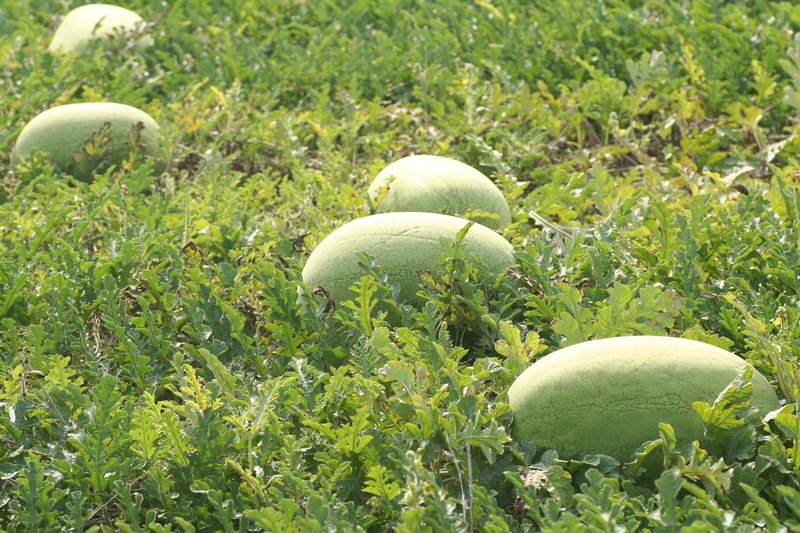
Description: Charleston Gray is a large watermelon variety with a light green rind and sweet, red flesh. It is known for its excellent flavor and high yields.
Growing Season: Spring and Summer
USDA Planting Zone: 3–9
Special Notes: Resistant to fusarium wilt and anthracnose. Matures in about 85–90 days.
Crimson Sweet
Heirloom

Description: Crimson Sweet is a popular watermelon variety with a striped rind and sweet, firm red flesh. It produces large, oval-shaped melons.
Growing Season: Spring and Summer
USDA Planting Zone: 3–9
Special Notes: Excellent disease resistance and high sugar content. Matures in about 85 days.
Cal-Sweet
Hybrid

Description: Cal-Sweet is a popular watermelon variety known for its large, round to oblong fruits with dark green stripes and sweet, red flesh. This variety is celebrated for its excellent flavor, high sugar content, and juicy texture.
Growing Season: Spring and Summer
USDA Planting Zone: 3–9
Special Notes: Cal-Sweet watermelons are exceptionally sweet and juicy, making them ideal for fresh eating. Has good resistance to common watermelon diseases, including anthracnose and fusarium wilt. Typically mature in about 85–95 days.
Cantaloupe (Muskmelon) Varieties:
Ambrosia
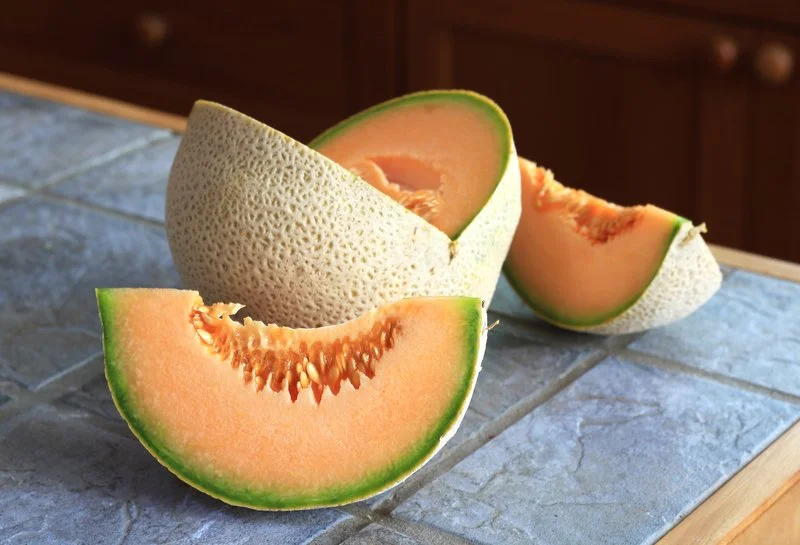
Description: Ambrosia is a hybrid cantaloupe known for its exceptionally sweet flavor and juicy, orange flesh. The melons are medium-sized with a netted rind.
Growing Season: Spring and Summer
USDA Planting Zone: 3–9
Special Notes: High sugar content and excellent disease resistance. Matures in about 85–90 days.
Hale's Best Jumbo
Heirloom

Description: Hale's Best Jumbo is an heirloom cantaloupe variety that produces large, oval-shaped melons with sweet, aromatic orange flesh.
Growing Season: Spring and Summer
USDA Planting Zone: 3–9
Special Notes: Very flavorful and productive. Matures in about 85 days.
Athena

Description: Athena is a hybrid cantaloupe with firm, sweet orange flesh and a netted rind. It is known for its uniform size and good disease resistance.
Growing Season: Spring and Summer
USDA Planting Zone: 4–9
Special Notes: Ideal for fresh eating. Matures in about 75–80 days.
Honeydew (Muskmelon) Varieties:
Green Flesh
Heirloom

Description: Green Flesh honeydew produces round, smooth-skinned melons with sweet, green flesh. It is known for its high sugar content and juicy texture.
Growing Season: Spring and Summer
USDA Planting Zone: 4–10
Special Notes: Ideal for fresh eating. Matures in about 85 days.
Earli-Dew

Description: Earli-Dew is an early-maturing honeydew variety with sweet, green flesh and smooth, creamy white rind. It is known for its excellent flavor.
Growing Season: Spring and Summer
USDA Planting Zone: 4–10
Special Notes: Early maturing and very sweet. Matures in about 75 days.
Florida Vegetable Planting Map
This guide provides information on when to start seeds inside, direct seed, and transplant starter plants in the different regions of Florida.
North USDA Planting Zones: 8b–9a
Central USDA Planting Zones: 9b & some of 10a
South USDA Planting Zones: 10a–11b
Visit the U.S. National Arboretum for an Exact USDA Planting Zone Map.
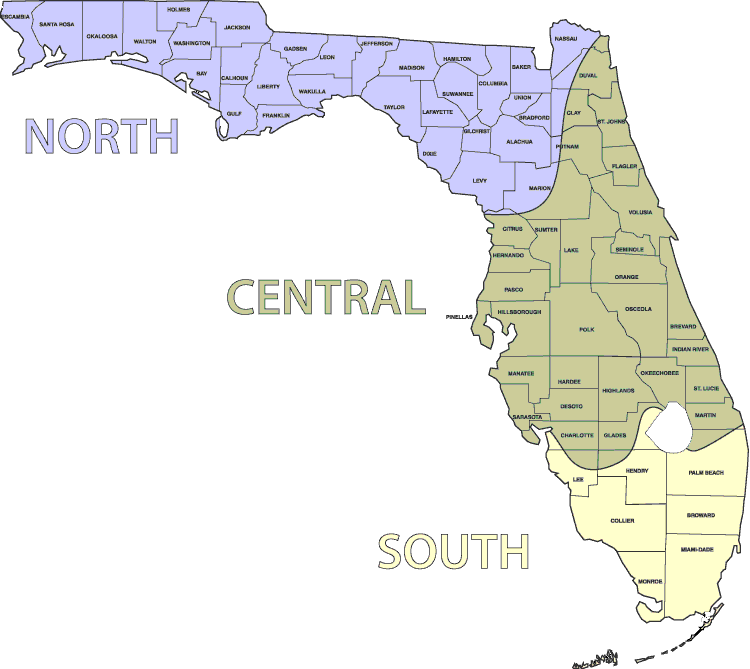
| Melons (Watermelon, Cantaloupe, Honeydew) | North Florida | Central Florida | South Florida |
|---|---|---|---|
| Start Seeds Inside | Feb–Mar | Jan–Mar | Jan–Mar |
| Direct Seed | Feb–Apr | Jan–Mar | Dec–Mar |
| Transplant Starter Plants | Mar–Apr | Feb–Apr | Jan–Apr |
Planting Guide – Melons
Getting Started
Start Seeds Inside:
Starting melon seeds indoors early allows them to develop strong root systems before transplanting,
ensuring better survival and growth in the garden.
Direct Seed:
Direct seeding melons when the soil has warmed ensures rapid germination and growth, taking advantage
of the full growing season.
Transplant Starter Plants:
Transplanting melon starter plants into the garden once the risk of frost has passed provides a head
start on the growing season, leading to earlier harvests.
Melons grow best when started in warm soil and given plenty of sun and space. Planning ahead for how you will start seeds, direct sow, or transplant makes the rest of the season much smoother.
Soil, Sun, Water, and Spacing
Soil:
Melons prefer well-drained, sandy loam soil with a pH between 6.0 and 6.8.
Amend the soil with compost or well-rotted manure to improve fertility and structure.
Sun:
Full sun is essential for optimal growth and fruit development. Ensure melons receive at least
6–8 hours of sunlight daily.
Watering:
Keep the soil consistently moist but not waterlogged. Mulching helps retain soil moisture and
regulate temperature. Reduce watering as the fruits mature to improve sweetness.
Spacing:
Plant melon seeds about 1 inch deep, spacing them 24–48 inches apart in rows and
space rows about 60 inches apart. Provide ample space for the vines to spread.
Harvest, Additional Tips, and Support
Harvesting Watermelons:
Watermelons are ready to harvest when the underside (where the fruit rests on the ground)
turns a creamy yellow color and the tendril closest to the fruit dries out and turns brown,
typically 80–100 days after planting. Additionally, a ripe watermelon will
sound hollow when tapped.
Harvesting Muskmelons (Cantaloupe & Honeydew):
Muskmelons are ready to harvest when they emit a sweet fragrance and the fruit easily detaches
from the vine with gentle pressure. This is usually 60–90 days after planting.
The skin under the netting should turn from green to yellowish, and the blossom end should feel
slightly soft.
Additional Tips:
- Melons grow best in soil rich in organic matter—mix in compost before planting to boost fertility and structure.
- Mulch around the plants to help retain moisture, suppress weeds, and regulate soil temperature.
- Ensure that melons receive consistent moisture, especially during flowering and fruiting, to prevent stress and promote even growth.
Support:
For smaller varieties like Sugar Baby, consider using trellises to save space and improve air circulation.
Support the fruits with slings made of netting or cloth so they do not strain the vines.
By selecting the right melon varieties and following these growing tips, you can achieve a successful and bountiful melon harvest in your Florida garden.
Fertilization, Care, and Common Problems
Fertilization (N–P–K Ratio):
Melons benefit from a fertilizer with a balanced or slightly higher phosphorus and potassium content
to support fruit development, such as 5-10-10 or 10-10-20.
When to Add:
Before Planting: Apply fertilizer to the soil before planting seeds or transplants to promote strong initial growth.
Mid-Growing Season: Reapply fertilizer when the vines begin to run and again when flowers appear to support continued growth and fruit development.
Application Tips:
- Follow the directions on the fertilizer package to avoid over-fertilization.
- Apply fertilizer evenly around the base of the plants and water thoroughly to help nutrients reach the roots.
- Combine fertilizer with compost or well-rotted manure to feed both the plants and the soil life.
Pests and Diseases that Affect Melons in Florida:
- Aphids: Small insects that suck sap from leaves and stems, causing curling and yellowing.
- Cucumber Beetles: Beetles that chew on leaves, stems, and flowers and can transmit bacterial wilt.
- Spider Mites: Tiny mites that cause stippling and yellowing of leaves in hot, dry weather.
- Squash Bugs: Bugs that suck sap from leaves, causing them to wilt and die.
- Powdery Mildew: A fungal disease that causes a white, powdery coating on leaves.
- Downy Mildew: A fungal disease that causes yellowing leaves with fuzzy, grayish growth on the underside.
Blog post on Natural Fertilizers
Natural Pest Control
By selecting the right melon varieties and following these growing tips, you can achieve a successful and bountiful melon harvest in your Florida garden.
Companion Plants and Plants to Avoid
Companion Plants for Melons:
| Marigold | Bright, sunny flowers that help repel nematodes and some insect pests. Their roots release compounds that discourage root-knot nematodes and they can also repel aphids and cucumber beetles around melon vines. |
| Nasturtium | Acts as a trap crop, drawing aphids and cucumber beetles away from melons. The flowers also attract beneficial insects that prey on these pests. |
| Radish | Fast-growing roots that can be used as a trap crop. Radishes attract flea beetles and aphids, reducing pest pressure on melon leaves and vines. |
| Dill | Feathery foliage and flower umbels attract ladybugs, lacewings, and parasitic wasps that feed on aphids, cucumber beetles, and spider mites. Helps support a healthy beneficial insect population around melons. |
| Garlic | Strong scent helps repel aphids, spider mites, and other soft-bodied pests. Garlic also has antifungal properties that can help reduce powdery mildew and downy mildew in the bed. |
Plants to Avoid Near Melons:
| Cucumbers | Compete with melons for nutrients and water and attract many of the same pests and diseases, increasing pest pressure in the bed. |
| Potatoes | Heavy feeders that compete for nutrients and moisture. They can also harbor diseases that may spread and weaken melon plants. |
| Squash | Vines sprawl and compete for space, nutrients, and light. Squash attracts similar pests (like squash bugs and cucumber beetles) that can also harm melons. |
| Pumpkins | Large, vigorous vines that compete for space and resources and attract many of the same pests and diseases as melons. |
|
Brassicas (Cabbage, Cauliflower, Broccoli, Brussels Sprouts, Kale) |
Compete for similar nutrients and can change soil conditions in a way that is less favorable for melons. They also attract their own pest complex, adding extra stress to the bed. |
These companion plants help protect melons from pests and diseases while improving soil health and overall productivity. Keeping conflicting crops at a distance gives your melon vines the best chance to thrive.