Cucumber
Cucumbers, with their crisp, refreshing fruits and sprawling vines, bring a lively and productive touch to any garden. These plants are known for their rapid growth and abundant yield, producing long, slender fruits that are perfect for snacking, salads, and pickling. Their bright green fruits and lush foliage make cucumbers a delightful addition to garden beds, trellises, or containers.
In Florida planting zone 9, cucumbers thrive, especially during the warmer months. The vines spread out quickly, producing an array of flowers that eventually turn into the crisp, juicy cucumbers we all enjoy. Seeing these vibrant green fruits dangle from the vines is a rewarding sight, marking the success of your gardening efforts.
For those new to gardening, cucumbers are an ideal choice. They are relatively easy to grow and provide a bountiful harvest. Whether you prefer them fresh, pickled, or in a salad, cucumbers add a delicious and refreshing element to your meals, making your gardening endeavors both productive and enjoyable.
Ocala Food Forest participates in affiliate programs that help support our educational and community projects. When you purchase through the links provided on our site, we may receive a small commission at no additional cost to you. This support allows us to keep the site free to access and continue researching what grows best in Central Florida’s Zone 9 climate. We only recommend products and resources we have personally tested and trust.
The vegetables listed on this page are not the only ones that can thrive in this region of Florida, but they represent the top recommended varieties for optimal growth and success in local conditions.
Cucumber Varieties:
Slicing Cucumbers
Marketmore 76
Heirloom

Description: Marketmore 76 is a popular slicing cucumber variety known for its dark green, straight fruits and excellent disease resistance. It has a crisp texture and mild flavor.
Growing Season: Spring, Summer, and Fall
USDA Planting Zone: 3–10
Special Notes: Resistant to powdery mildew and downy mildew. Ideal for fresh eating and salads.
Straight Eight
Heirloom


Description: Straight Eight is a classic slicing cucumber that produces uniform, straight fruits about 8 inches long. It has a crisp texture and mild flavor.
Growing Season: Spring, Summer, and Fall
USDA Planting Zone: 3–10
Special Notes: Heat-tolerant and highly productive. Great for slicing and fresh use.
Dasher II
Hybrid
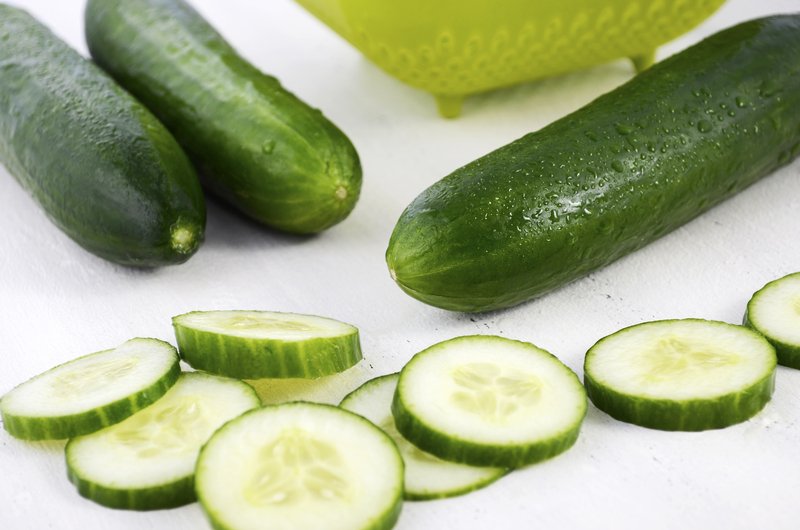
Description: Dasher II is a hybrid slicing cucumber variety known for its high yield and disease resistance. It produces long, dark green fruits with a crisp texture.
Growing Season: Spring, Summer, and Fall
USDA Planting Zone: 3–10
Special Notes: Resistant to multiple diseases, including powdery mildew and cucumber mosaic virus. Excellent for fresh use.
Pickling Cucumbers
Boston Pickling
Heirloom

Description: Boston Pickling is a traditional variety known for its small, blocky fruits ideal for pickling. It has a crisp texture and excellent flavor.
Growing Season: Spring, Summer, and Fall
USDA Planting Zone: 3–10
Special Notes: Fast-growing and highly productive. Perfect for making pickles.
National Pickling
Heirloom
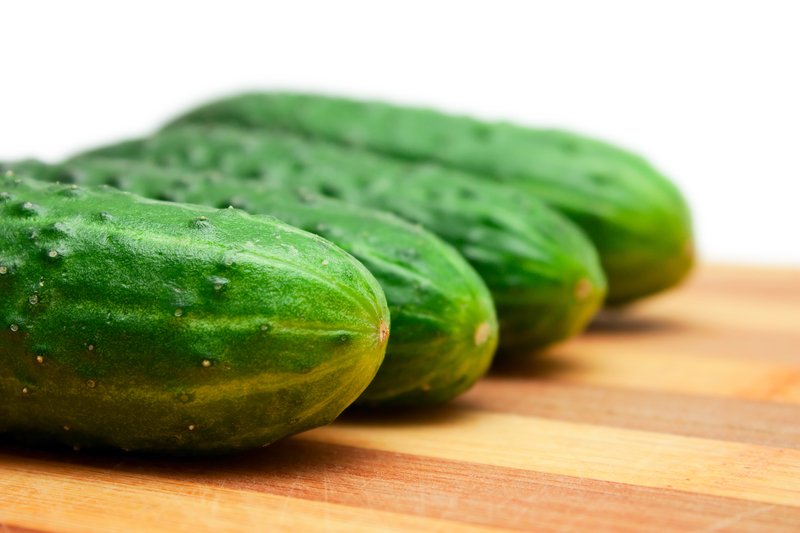
Description: National Pickling is a popular pickling cucumber variety that produces medium-sized, dark green fruits with a bumpy texture. It has a crisp texture and mild flavor.
Growing Season: Spring, Summer, and Fall
USDA Planting Zone: 3–10
Special Notes: Resistant to scab and mosaic virus. Ideal for pickling and fresh eating.
Homemade Pickles
Heirloom
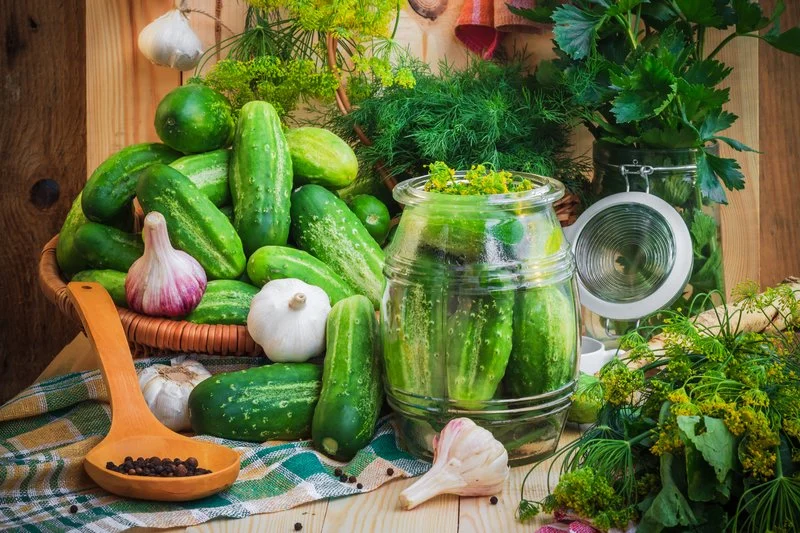
Description: Homemade Pickles is a variety specifically bred for pickling, producing short, blocky fruits with a crisp texture and excellent flavor.
Growing Season: Spring, Summer, and Fall
USDA Planting Zone: 3–10
Special Notes: Disease-resistant and highly productive. Perfect for home canning and fresh use.
Specialty Cucumbers
Armenian Cucumber (Yard Long Cucumber)
Heirloom

Description: Armenian cucumber produces long, ribbed, light green fruits with a mild, sweet flavor and crisp texture. Although it is technically a melon, it is used as a cucumber.
Growing Season: Spring, Summer, and Fall
USDA Planting Zone: 4–12
Special Notes: Heat-tolerant and highly productive. Ideal for fresh eating and salads.
Lemon Cucumber
Heirloom

Description: Lemon cucumber produces small, round, yellow fruits that resemble lemons. It has a mild, sweet flavor and crisp texture.
Growing Season: Spring, Summer, and Fall
USDA Planting Zone: 4–10
Special Notes: Unique appearance and excellent flavor. Great for fresh eating and pickling.
Persian Cucumber
Heirloom
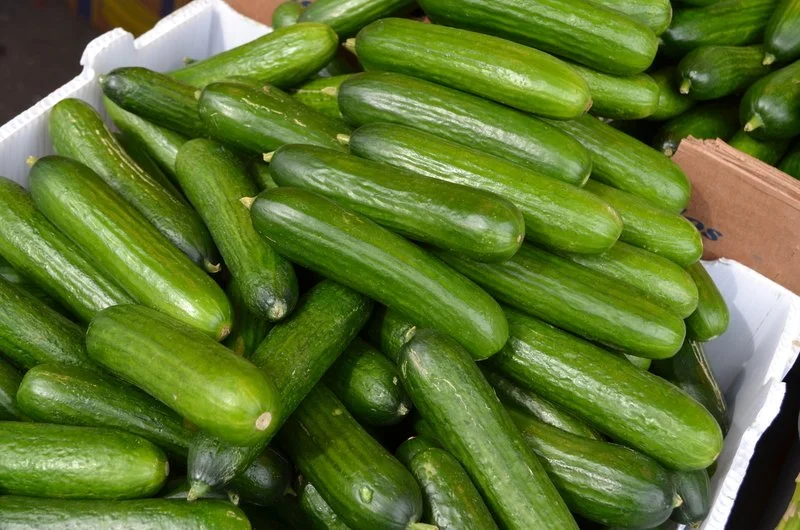
Description: Persian cucumbers are small, thin-skinned, and seedless. They have a mild, sweet flavor and crisp texture.
Growing Season: Spring, Summer, and Fall
USDA Planting Zone: 4–10
Special Notes: Ideal for fresh eating, salads, and pickling. Often referred to as "mini cucumbers" or "baby cucumbers."
Florida Vegetable Planting Guide
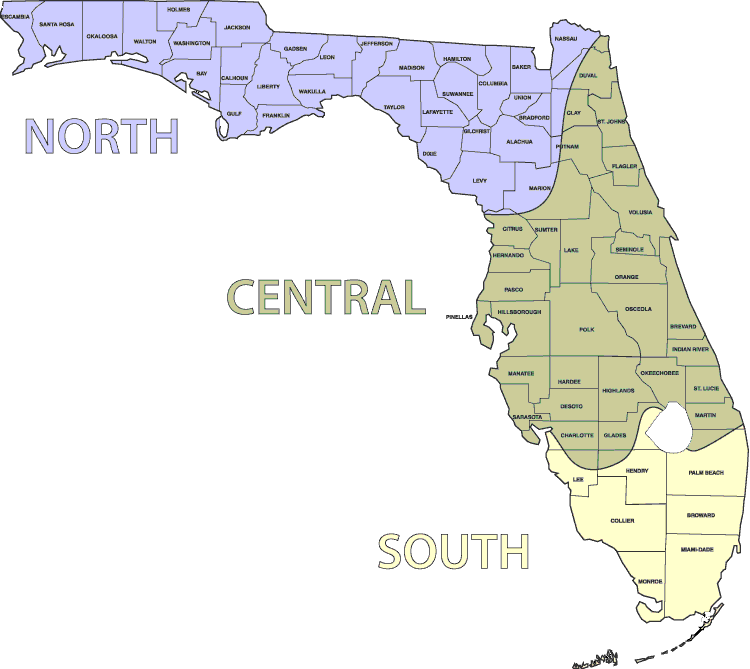
This guide provides information on when to start seeds inside, direct seed, and transplant starter plants in the different regions of Florida.
North USDA Planting Zones: 8b-9a
Central USDA Planting Zones: 9b & some of 10a
South USDA Planting Zones: 10a-11b
Visit the U.S. National Arboretum for an Exact USDA Planting Zone Map.
| Cucumber | North Florida | Central Florida | South Florida |
|---|---|---|---|
| Start Seeds Inside | Jan–Mar / Jul–Sep | Jan–Feb / Aug–Sep | Sep–Feb |
| Direct Seed | Feb–Apr / Jul–Aug | Jan–Mar / Sep | Sep–Feb |
| Transplant Starter Plants | Feb–Apr / Jul–Aug | Jan–Mar / Sep | Sep–Feb |
Planting Guide – Cucumber
Getting Started
Start Seeds Inside:
Starting cucumber seeds indoors allows for an earlier start to the growing season, especially in cooler parts of Florida.
Strong transplants can go into the garden once the soil has warmed, giving you a head start on flowering and fruiting.
Direct Seed:
Direct seeding cucumbers when the soil has warmed ensures quick germination and reduces the risk of transplant shock.
This is a great option in Central and South Florida where soil temperatures warm quickly in spring and fall.
Transplant Starter Plants:
Transplanting cucumber starter plants provides a head start on the growing season and helps avoid cool soil
that can slow or prevent germination. Use sturdy, not root-bound transplants for best results.
There are two main types of cucumbers: slicers and picklers. Pickling types can also be eaten fresh. Some modern hybrids are “burpless” and many are gynoecious (mostly female flowers), which increases yields. Bees and other pollinators are essential for good fruit set in most varieties.
Soil, Sun, Water, and Spacing
Soil:
Cucumbers prefer well-drained, fertile soil with a pH between 6.0 and 6.8.
Amend planting areas with compost or well-rotted manure to improve fertility and structure.
Avoid low spots where water stands after heavy rain.
Sun:
Full sun is essential for optimal growth and fruit production. Aim for at least 6–8 hours of direct sun per day.
In very hot weather, a bit of afternoon shade can reduce stress but too much shade will reduce yields.
Watering:
Keep the soil consistently moist but not waterlogged. Cucumbers have shallow roots and can suffer quickly in dry soil.
Mulching around plants helps retain moisture, suppress weeds, and regulate soil temperature.
Spacing:
Plant cucumber seeds about 1 inch deep and space them 6–12 inches apart.
Space rows 3–4 feet apart, or use trellises and vertical supports to save space and improve air circulation.
Trellised plants stay cleaner and are easier to harvest.
Harvesting and Additional Tips
Harvesting:
Cucumbers are typically ready to harvest 40–65 days after planting, depending on the variety.
Pick them when they are firm and fully colored (green for most types, lemon-yellow for lemon cucumbers) but still tender.
Use a sharp knife or scissors to cut the stem rather than pulling, which can damage vines.
Frequent picking encourages more fruit.
Additional Tips:
- Cucumbers grow best in soil rich in organic matter—add compost each season to keep the bed productive.
- Mulch to help retain moisture, reduce weeds, and keep fruits cleaner.
- Ensure consistent moisture, especially during flowering and fruiting, to reduce bitterness and prevent stress.
- Use a trellis where possible to improve airflow and reduce disease pressure in humid weather.
Fertilization, Care, and Problems
Fertilization (N–P–K Ratio):
Cucumbers benefit from a balanced fertilizer with slightly higher nitrogen to support leafy growth and fruiting,
such as 20-10-10 or 15-10-10, along with plenty of organic matter.
When to Add:
Before Planting: Work a balanced fertilizer into the soil before planting seeds or transplants to promote strong initial growth.
Mid-Growing Season: Reapply every 4–6 weeks during the growing season to support continued vine growth and steady fruit production.
Application Tips:
- Always follow the directions on the fertilizer package to avoid over-fertilization and burning roots.
- Apply fertilizer evenly around the base of the plants and water thoroughly to help nutrients reach the root zone.
- Combine fertilizer with compost or organic mulches to feed soil life and improve long-term fertility.
Pests and Diseases in Florida:
- Aphids: Small insects that suck sap from leaves and stems, causing curling and yellowing and possibly spreading disease.
- Cucumber Beetles: Chew on leaves, stems, and flowers and can transmit bacterial wilt.
- Spider Mites: Tiny mites that cause stippling and yellowing, often in hot, dry weather.
- Powdery Mildew: Fungal disease that creates a white, powdery coating on leaves, reducing vigor.
- Downy Mildew: Causes yellowing leaves with fuzzy grayish growth on the underside, leading to leaf collapse.
- Root-Knot Nematodes: Microscopic worms that create galls on roots and stunt plant growth.
Blog post on Natural Fertilizers
Natural Pest Control
Companion Plants and Plants to Avoid
Companion Plants:
| Marigold | Bright, sunny flowers in yellow, orange, and red. Marigolds release compounds in the soil that help deter nematodes and can discourage aphids and cucumber beetles, protecting cucumber roots and foliage. |
| Nasturtium | Round leaves and vibrant flowers that act as a trap crop, drawing aphids and cucumber beetles away from cucumbers. Also attracts beneficial insects that prey on pests. |
| Radish | Fast-growing root crop that can be used as a trap plant. Radishes attract flea beetles and aphids, reducing pest pressure on nearby cucumbers. |
| Dill | Feathery leaves and yellow flowers that attract ladybugs, lacewings, and predatory wasps. These beneficial insects help control aphids, cucumber beetles, and spider mites around cucumber vines. |
| Garlic | Strongly scented bulbs that help repel aphids, spider mites, and other soft-bodied pests. Garlic also has antifungal properties that may help reduce powdery and downy mildew pressure nearby. |
Plants to Avoid Nearby:
| Sage, Basil and other strong aromatic herbs | Some aromatic herbs can inhibit cucumber growth when planted too close, likely due to competition and natural compounds released into the soil or air. |
| Potatoes | Compete for nutrients and moisture and may spread soil-borne diseases that can also affect cucumbers. |
| Melons | Closely related to cucumbers and attract many of the same pests. Growing them together can concentrate pest and disease pressure in one area. |
| Pumpkins | Vigorous vines that compete for nutrients, water, and space, while also attracting similar pests and diseases. Better grown in a separate bed or rotated to another area. |