Pumpkins
Pumpkins, with their sprawling vines and large, vibrant fruits, bring a festive and productive touch to any garden. These iconic plants are known for their impressive size and rich orange color, making them a favorite for autumn decorations and culinary delights. The broad, lobed leaves and bright yellow flowers add to the visual appeal, making pumpkins a striking addition to garden beds or larger spaces.
In Florida planting zone 9, pumpkins thrive during the warmer months, developing into robust fruits that are perfect for carving, baking, or decorating. The vines spread out extensively, creating a lush ground cover as they produce an array of pumpkins in various shapes and sizes. Watching these large fruits grow and mature is a delightful experience, marking the success of your gardening efforts.
For those new to gardening, pumpkins are a rewarding choice. They are relatively easy to grow and provide a substantial harvest of versatile fruits. Whether you enjoy them in pies, soups, or as festive decorations, pumpkins bring a seasonal and flavorful addition to your meals and celebrations, making your gardening endeavors both enjoyable and fruitful.
Affiliate Disclaimer: Ocala Food Forest participates in affiliate programs that help support our educational and community projects. When you purchase through the links provided on our site, we may receive a small commission at no additional cost to you. This support allows us to keep the site free to access and continue researching what grows best in Central Florida’s Zone 9 climate. We only recommend products and resources we have personally tested and trust.
The vegetables listed on this page are not the only ones that can thrive in this region of Florida, but they represent the top recommended varieties for optimal growth and success in local conditions.
Standard Pumpkins:
Jack-o'-Lantern
Heirloom



Description: Jack-o'-Lantern pumpkins are the classic carving pumpkins with bright orange skin and medium size, typically weighing 10–20 pounds.
Growing Season: Spring and Summer
USDA Planting Zone: 3–9
Special Notes: Ideal for carving and decoration. Matures in about 100–110 days.
Howden
Heirloom
Description: Howden pumpkins are known for their large size, deep orange color, and thick flesh. They are excellent for carving and decoration.
Growing Season: Spring and Summer
USDA Planting Zone: 3–9
Special Notes: High yields and uniform shape. Matures in about 105–115 days.
Pie Pumpkins:
Sugar Pie
Heirloom
Description: Sugar Pie pumpkins are small to medium-sized pumpkins with sweet, fine-grained flesh that is perfect for pies and baking.
Growing Season: Spring and Summer
USDA Planting Zone: 3–9
Special Notes: Excellent for cooking and baking. Matures in about 95–100 days.
Baby Pam
Description: Baby Pam pumpkins are small, round pumpkins with smooth, bright orange skin. They have sweet, dense flesh ideal for pies.
Growing Season: Spring and Summer
USDA Planting Zone: 3–9
Special Notes: Easy to handle and perfect for baking. Matures in about 100 days.
Specialty Pumpkins:
Cinderella (Rouge Vif d'Etampes)
Heirloom
Description: Cinderella pumpkins are large, flattened pumpkins with a deep reddish-orange color. They have thick, sweet flesh and are great for decoration and cooking.
Growing Season: Spring and Summer
USDA Planting Zone: 3–9
Special Notes: Very ornamental and versatile for cooking. Matures in about 100–110 days.
Fairytale
Description: Fairytale pumpkins have a deeply ribbed, flattened shape and a rich, tan color. They have sweet, dense flesh that is excellent for baking.
Growing Season: Spring and Summer
USDA Planting Zone: 3–9
Special Notes: Highly ornamental and flavorful. Matures in about 110 days.
Blue Hubbard
Description: Blue Hubbard pumpkins are large, blue-gray pumpkins with sweet, orange flesh. They are known for their long storage life and excellent flavor.
Growing Season: Spring and Summer
USDA Planting Zone: 3–9
Special Notes: Great for baking and soups. Matures in about 110–120 days.
Jarrahdale
Heirloom
Description: Jarrahdale pumpkins are medium-sized, with a flattened shape and blue-gray skin. They have sweet, dense, orange flesh.
Growing Season: Spring and Summer
USDA Planting Zone: 3–9
Special Notes: Attractive and great for baking. Matures in about 100–110 days.
Florida Vegetable Planting Guide
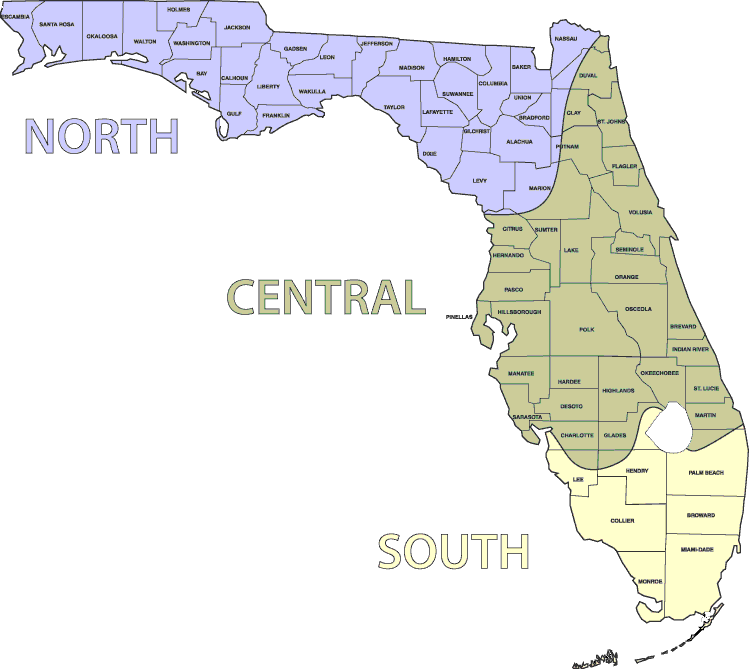
This guide provides information on when to start seeds inside, direct seed, and transplant starter plants in the different regions of Florida.
North USDA Planting Zones: 8b–9a
Central USDA Planting Zones: 9b & some of 10a
South USDA Planting Zones: 10a–11b
Visit the U.S. National Arboretum for an Exact USDA Planting Zone Map.
| Pumpkins | North Florida | Central Florida | South Florida |
|---|---|---|---|
| Start Seeds Inside | Not recommended | Not recommended | Not recommended |
| Direct Seed | Early July | Mid July | Early Aug |
| Transplant Starter Plants | Early July | Mid July | Early Aug |
Planting Guide – Pumpkins
Getting Started
Start Seeds Inside:
Starting pumpkin seeds indoors is not recommended because they grow best when directly sown into the garden.
Direct Seed:
Direct seeding pumpkins in the late summer ensures rapid establishment and growth in the right temperature window
for Florida’s climate.
Transplant Starter Plants:
Transplanting pumpkin starter plants in the late summer helps them establish quickly in the garden, leading to a
productive harvest.
Pumpkins require a lot of space but can be grown under or around taller vegetables if they have room to sprawl. Bees and other pollinators are required for good fruit set on pumpkins, so avoid heavy insecticide use during bloom.
Soil, Sun, Water, and Spacing
Soil:
Pumpkins prefer well-drained, fertile soil with a pH between 6.0 and 6.8. Amend the soil with compost
or well-rotted manure to improve fertility and structure.
Sun:
Full sun is essential for optimal growth and fruit development. Ensure pumpkins receive at least 6–8 hours of
sunlight daily.
Watering:
Keep the soil consistently moist but not waterlogged. Mulching helps retain soil moisture and regulate temperature.
Spacing:
Plant pumpkin seeds 1.5–2 inches deep, spacing them 36–60 inches apart, with rows spaced about 60 inches apart.
Provide ample space for the vines to spread and avoid crowding.
Harvesting and Additional Tips
Harvest:
Pumpkins are ready to harvest when they have reached their full color (deep orange or the mature color of the
variety) and the rind is hard, typically 70–100 days after planting. The stem should also start to dry out and
turn brown. Cut the pumpkin from the vine, leaving a few inches of stem attached to improve storage life.
Additional Tips:
- Pumpkins grow best in well-drained soil rich in organic matter, so adding compost each season helps long-term productivity.
- Mulch around the plants to help retain moisture, suppress weeds, and regulate soil temperature.
- Ensure pumpkins receive consistent moisture, especially during flowering and fruiting, to prevent stress and promote even growth.
- For smaller varieties, consider using trellises to save space and improve air circulation; support fruits with slings made of netting or cloth.
Fertilization, Care, and Problems
Fertilization (N–P–K Ratio):
Pumpkins benefit from a fertilizer with a balanced or slightly higher phosphorus and potassium content to support
fruit development, such as 5-10-10 or 10-10-20.
When to Add:
Before Planting: Apply fertilizer to the soil before planting seeds or transplants
to promote strong initial growth.
Mid-Growing Season: Reapply fertilizer when the vines begin to run (spread out)
and again when flowers start to appear to support continued growth and fruit development.
Application Tips:
- Follow the directions on the fertilizer package to avoid over-fertilization.
- Apply the fertilizer evenly around the base of the plants and water thoroughly to help the nutrients reach the roots.
Pests and Diseases that Affect Pumpkins in Florida:
- Squash Bugs: Sap-sucking insects that feed on leaves, causing them to wilt and die.
- Cucumber Beetles: Beetles that chew on leaves, stems, and flowers and can transmit bacterial wilt.
- Aphids: Small insects that suck sap from leaves and stems, leading to curling and yellowing and sometimes virus spread.
- Squash Vine Borers: Larvae that burrow into stems, causing plants to wilt and collapse.
- Powdery Mildew: A fungal disease that causes a white, powdery coating on leaves.
- Downy Mildew: A fungal-like disease that causes yellowing leaves with fuzzy, grayish growth on the underside.
Blog post on Natural Fertilizers
Natural Pest Control
Companion Plants and Plants to Avoid
Companion Plants:
| Marigold | Bright, sunny flowers that help repel nematodes, aphids, and cucumber beetles. Their roots release substances that help prevent root-knot nematodes, protecting pumpkin roots and supporting overall plant health. |
| Nasturtium | Acts as a trap crop, luring aphids and cucumber beetles away from pumpkins. At the same time, nasturtiums attract beneficial insects that prey on these pests. |
| Radish | Fast-growing roots that can be used as trap crops to attract flea beetles and aphids, drawing pressure away from pumpkin vines. |
| Borage | Star-shaped blue flowers that attract pollinators and beneficial insects like predatory wasps and bees, helping control aphids and cucumber beetles while improving soil with added organic matter and trace minerals. |
| Dill | Feathery herb that attracts ladybugs and predatory wasps which prey on aphids, cucumber beetles, and squash bugs. Dill also supports overall garden health when interplanted thoughtfully. |
Plants to Avoid Nearby:
| Potatoes | Can spread diseases and compete for nutrients with pumpkins, especially when grown in the same bed season after season. |
| Cucumbers | Compete for nutrients and attract many of the same pests, increasing pressure on pumpkins in a shared bed. |
| Melons | Heavy-feeding vines that compete for nutrients and space and attract similar pests, making management harder when planted right next to pumpkins. |
| Squash | Close relatives that share pests and diseases and quickly tangle with pumpkin vines, competing for light, water, and nutrients. Better in a separate bed or rotation. |