Asparagus
Asparagus, with its feathery, fern-like foliage and tall, slender spears, adds a touch of sophistication to any garden. This perennial plant is a visual delight, bringing a lush, green presence that stands out in garden beds or borders. Its elegant appearance and graceful growth make asparagus a timeless favorite among gardeners.
As the spears emerge in early spring, they signal the start of a new growing season. These tender shoots are not only beautiful but also highly prized for their delicious flavor. Growing asparagus in Florida, particularly in zones 8b–9a, ensures a bountiful harvest that can be enjoyed for years to come.
For new gardeners, asparagus offers the satisfaction of cultivating a plant that matures into a lasting part of the garden landscape. Its combination of visual appeal and culinary value makes it a rewarding addition, providing both beauty and a steady supply of homegrown produce.
Ocala Food Forest participates in affiliate programs that help support our educational and community projects. When you purchase through the links provided on our site, we may receive a small commission at no additional cost to you. This support allows us to keep the site free to access and continue researching what grows best in Central Florida’s Zone 9 climate. We only recommend products and resources we have personally tested and trust.
The vegetables listed on this page are not the only ones that can thrive in this region of Florida, but they represent the top recommended varieties for optimal growth and success in local conditions.
Asparagus Varieties:
Mary Washington

Description: Mary Washington is a classic asparagus variety known for its long, straight, dark green spears with tight tips. It is an heirloom variety with a mild, sweet flavor.
Growing Season: Spring
USDA Planting Zone: 3-9
Special Notes: Resistant to rust and fusarium. It produces high yields and is a long-lived perennial, typically producing for 15-20 years.
Jersey Knight

Description: Jersey Knight is a hybrid variety known for its large, thick spears and excellent flavor. It is highly productive and has superior disease resistance.
Growing Season: Spring
USDA Planting Zone: 3-10
Special Notes: Resistant to rust, fusarium, and crown rot. Ideal for warmer climates and produces high yields of tender spears.
Jersey Giant

Description: Jersey Giant is a vigorous, all-male hybrid variety that produces large, tender spears with excellent flavor. It is known for its high yields and disease resistance.
Growing Season: Spring
USDA Planting Zone: 3-10
Special Notes: Resistant to rust and fusarium. It is an early-maturing variety and highly productive.
Purple Passion

Description: Purple Passion asparagus produces vibrant purple spears that are tender and sweet. The color adds visual interest to dishes and turns green when cooked.
Growing Season: Spring
USDA Planting Zone: 4-9
Special Notes: Slightly lower yields compared to green varieties, but the unique flavor and color make it a favorite. Cold-hardy and disease-resistant.
UC 157

Description: UC 157 is a high-yielding hybrid variety developed in California. It produces uniform, medium to large green spears with a mild flavor.
Growing Season: Spring
USDA Planting Zone: 6-11
Special Notes: Heat-tolerant and ideal for warmer climates. Resistant to rust and crown rot.
Florida Vegetable Planting Guide
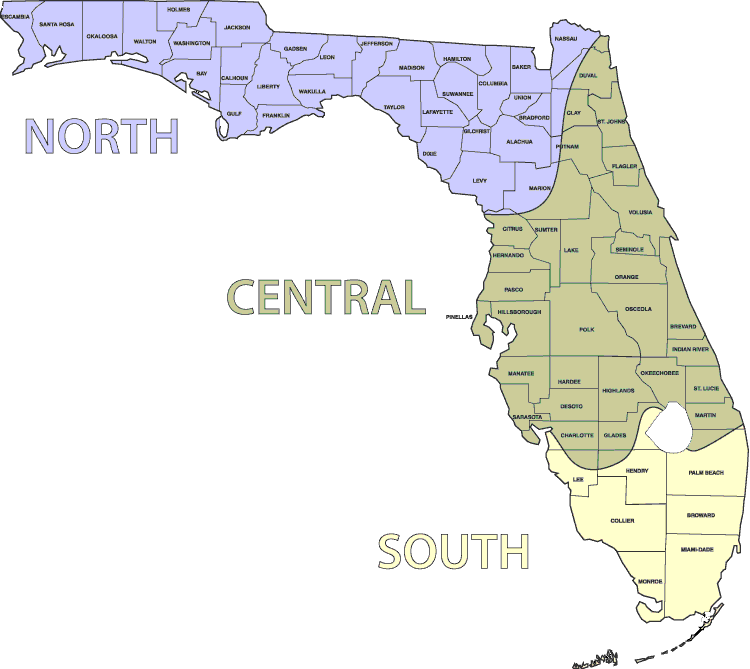
This guide provides information on when to start seeds inside, direct seed, and transplant starter plants in the different regions of Florida.
North USDA Planting Zones: 8b-9a
Central USDA Planting Zones: 9b & some of 10a
South USDA Planting Zones: 10a-11b
Visit the U.S. National Arboretum for an Exact USDA Planting Zone Map.
| Asparagus | North Florida | Central Florida | South Florida |
|---|---|---|---|
| Start Seeds Inside | Jan-Feb | Jan-Feb | Jan-Feb |
| Direct Seed | Not recommended | Not recommended | Not recommended |
| Transplant Starter Plants | Mar-Apr | Mar-Apr | Mar-Apr |
Planting Guide – Asparagus
Getting Started
Start Seeds Inside:
Starting asparagus seeds indoors in winter provides the stable conditions needed for slow, reliable germination and strong early growth before spring transplanting.
Direct Seed:
Direct seeding is not recommended because asparagus germinates slowly and requires consistent warmth and moisture—much easier to manage indoors.
Transplant Starter Plants:
Transplanting asparagus crowns or seedlings in spring gives them ideal conditions to establish deep, vigorous roots for a productive perennial bed.
Soil, Sun, Water, and Spacing
Soil:
Asparagus thrives in well-drained sandy loam with a pH between 6.5 and 7.5. Enrich the soil with compost or well-rotted manure for nutrient density and structure.
Sun:
Full sun (6–8 hours daily) is essential for strong spear production and long-term perennial health.
Watering:
Keep the soil evenly moist but never waterlogged. Mulch helps stabilize moisture and temperature while suppressing weeds.
Spacing:
Plant crowns 12–18 inches apart in rows spaced 4–5 feet apart. Dig trenches 6–8 inches deep, cover crowns with 2 inches of soil, and gradually fill in as growth increases.
Harvesting and Additional Tips
Harvesting:
Do not harvest spears for the first two years. Begin harvesting in year three when spears reach 6–8 inches tall and pencil-thick. Harvest for 4–6 weeks each spring. Well-established beds can produce for 15–20 years.
Additional Tips:
- Mix in compost or manure annually to maintain soil fertility.
- Mulch heavily to retain moisture, suppress weeds, and protect shallow feeder roots.
Fertilization, Care, and Problems
Fertilization (N–P–K Ratio):
Use a balanced fertilizer such as 10-10-10 or 12-12-12 to support steady root and spear development.
When to Add:
Early Spring: Apply fertilizer when new spears begin emerging.
After Harvest: Fertilize again to replenish root reserves for next year's growth.
Application Tips:
- Follow labeled amounts to avoid nutrient burn.
- Spread fertilizer around the plant base and water to move nutrients into the soil.
Pests and Diseases in Florida:
- Asparagus Beetles: Chew tips and scar spears, reducing quality.
- Cutworms: Cut young spears at the soil line.
- Aphids: Cause stunting and transmit disease.
- Fusarium Wilt: Causes yellowing and decline; worsens in poorly drained soils.
- Rust: Produces reddish-brown spots on stems and leaves.
Blog post on Natural Fertilizers
Natural Pest Control
Companion Plants and Plants to Avoid
Companion Plants:
| Basil | Repels asparagus beetles and aphids while attracting bees and beneficial insects. |
| Marigold | Deters nematodes and repels pests, including aphids and asparagus beetles. |
| Parsley | Attracts beneficial predatory insects that feed on aphids and beetles. |
| Comfrey | Deep roots improve soil structure and add nutrients. Attracts beneficial insects. |
Plants to Avoid Nearby:
| Garlic | Can inhibit asparagus growth. |
| Onions | May negatively impact growth. |
| Potatoes | Compete for nutrients and may spread disease. |
| Tomatoes | Can attract pests harmful to asparagus. |