Carrots
Carrots, with their vibrant orange roots and feathery green tops, bring a bright and cheerful touch to any garden. These root vegetables are known for their sweet flavor and crunchy texture. Their slender, tapering roots and delicate foliage make carrots an attractive addition to garden beds or containers.
In Florida planting zone 9, carrots grow well, particularly in the mild climate of fall and winter. The roots develop underground, creating a hidden treasure waiting to be unearthed. The sight of these colorful roots peeking through the soil is a delightful reward for any gardener.
For those new to gardening, carrots are an excellent choice. They are relatively easy to grow and offer a bountiful harvest of nutritious roots. Whether you enjoy them raw, roasted, or in soups, carrots add a delicious and healthy element to your meals, making your gardening efforts truly rewarding.
Ocala Food Forest participates in affiliate programs that help support our educational and community projects. When you purchase through the links provided on our site, we may receive a small commission at no additional cost to you. This support allows us to keep the site free to access and continue researching what grows best in Central Florida’s Zone 9 climate. We only recommend products and resources we have personally tested and trust.
The vegetables listed on this page are not the only ones that can thrive in this region of Florida, but they represent the top recommended varieties for optimal growth and success in local conditions.
Carrot Varieties:
Nantes
Heirloom


Description: Nantes carrots are cylindrical with blunt tips and a sweet, crisp flavor. They perform well in a wide range of soil types.
Growing Season: Fall and Winter
USDA Planting Zone: 3–10
Special Notes: Early-maturing and excellent for fresh eating and juicing.
Danvers
Heirloom

Description: Danvers carrots have a tapered shape and deep orange color, with rich flavor and high carotene content.
Growing Season: Fall and Winter
USDA Planting Zone: 3–9
Special Notes: Highly adaptable and great in heavier or clay soils. Excellent for storage.
Imperator
Heirloom

Description: Imperator carrots are long, slender, and deep orange, with a sweet taste and crunchy texture. Commonly grown for commercial use.
Growing Season: Fall and Winter
USDA Planting Zone: 3–10
Special Notes: Needs loose, deep soil for best root development. Ideal for fresh market and bunching.
Chantenay
Heirloom

Description: Short, broad-shouldered roots that taper to a point, with sweet, tender flesh.
Growing Season: Fall and Winter
USDA Planting Zone: 3–10
Special Notes: Very adaptable to heavier soils and stores well while holding flavor.
Little Finger
Heirloom

Description: Small, cylindrical carrots with very sweet flavor, perfect for snacking and baby carrots.
Growing Season: Fall and Winter
USDA Planting Zone: 3–10
Special Notes: Quick to mature and excellent for containers. Great for fresh eating and pickling.
Florida Vegetable Planting Guide
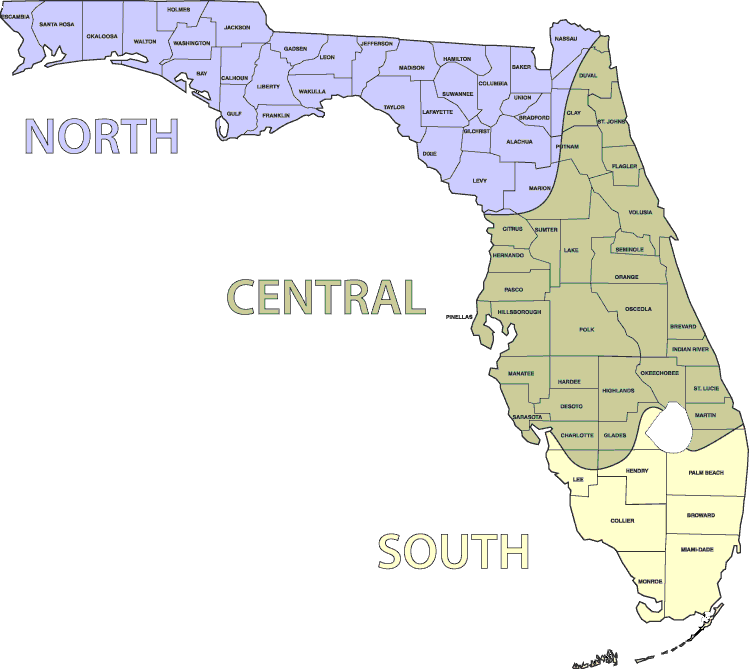
This guide provides information on when to start seeds inside, direct seed, and transplant starter plants in the different regions of Florida.
North USDA Planting Zones: 8b-9a
Central USDA Planting Zones: 9b & some of 10a
South USDA Planting Zones: 10a-11b
Visit the U.S. National Arboretum for an Exact USDA Planting Zone Map.
| Carrot | North Florida | Central Florida | South Florida |
|---|---|---|---|
| Start Seeds Inside | Not recommended | Not recommended | Not recommended |
| Direct Seed | Aug-Mar | Aug-Mar | Sep-Mar |
| Transplant Starter Plants | Not recommended | Not recommended | Not recommended |
Planting Guide – Carrot
Getting Started
Start Seeds Inside:
Starting carrot seeds indoors is not recommended because carrots develop best when their roots
can grow undisturbed in the soil from the beginning.
Direct Seed:
Direct seeding carrots during the cooler months allows them to establish roots without the stress
of high temperatures, leading to better growth and development.
Transplant Starter Plants:
Transplanting carrot seedlings is not recommended because their delicate roots can be easily
damaged, which can affect their growth and final shape.
Soil, Sun, Water, and Spacing
Soil:
Carrots prefer well-drained, sandy loam soil with a pH between 6.0 and 6.8.
Ensure the soil is loose and free of rocks or debris so the roots can develop straight and smooth.
Sun:
Full sun is ideal for carrots, but they can tolerate partial shade, especially in warmer climates.
Watering:
Keep the soil consistently moist but not waterlogged. Mulching helps retain soil moisture and regulate temperature.
Spacing:
Sow seeds about 1/4 inch deep, spacing them 2–3 inches apart in rows.
Thin seedlings to 2–3 inches apart to give each root room to size up properly.
Harvesting and Additional Tips
Harvesting:
Carrots are generally ready to harvest when the roots are about 1/2 to 1 inch in diameter,
typically 70–80 days after planting. Gently pull the carrots from the soil, loosening around
them if needed. If you are unsure, harvest one and check the size.
Additional Tips:
- Keep the seed bed consistently moist until germination; carrot germination can be slow.
- Maintain even moisture during root sizing to reduce cracking and toughness.
- Remove stones and hard clumps so roots grow straighter and smoother.
Fertilization, Care, and Problems
Fertilization (N–P–K Ratio):
Carrots benefit from a fertilizer with lower nitrogen and higher phosphorus and potassium to support strong root development,
such as 5-10-10 or 4-8-4.
When to Add:
Before Planting: Apply fertilizer to the soil before sowing seeds to encourage early root growth.
Mid-Growing Season: If needed, reapply mid-season to support continued growth and root development.
Application Tips:
- Follow package directions to avoid over-fertilization and excess nitrogen, which can cause excessive foliage and poor root formation.
- Apply fertilizer evenly and water thoroughly to move nutrients into the root zone.
Pests and Diseases in Florida:
- Carrot Rust Flies: Larvae feed on roots, causing tunneling and rot.
- Aphids: Small insects that suck sap from leaves, causing curling and yellowing.
- Root-Knot Nematodes: Microscopic worms that cause galls on roots and stunted growth.
- Flea Beetles: Small beetles that chew tiny holes in leaves.
- Alternaria Leaf Blight: Fungal disease causing dark, dead spots on leaves.
- Powdery Mildew: White, powdery coating on foliage that weakens plants.
Blog post on Natural Fertilizers
Natural Pest Control
Companion Plants and Plants to Avoid
Companion Plants:
| Onions | Their strong aroma helps repel carrot rust flies and aphids, reducing pest damage to carrot foliage and roots. |
| Leeks | Allium relatives with a strong scent that discourages carrot rust flies and other pests while growing well in similar conditions. |
| Marigold | Bright flowers whose roots release compounds that deter nematodes and other soil-borne pests, helping protect carrot roots from damage. |
| Rosemary | An aromatic herb whose strong scent helps repel carrot rust flies, aphids, and other common garden pests near carrot beds. |
| Radishes | Fast-growing roots that act as a trap crop, attracting flea beetles and aphids away from carrots while loosening nearby soil. |
Plants to Avoid Nearby:
| Dill | Can inhibit the growth of carrots if planted too closely, especially when dill is mature and competing for similar resources. |
| Fennel | Strongly allelopathic plant that competes for nutrients and can negatively affect carrot growth and flavor. |
| Coriander (Cilantro) | Can inhibit carrot growth when planted too close and may compete for space and nutrients in the same soil zone. |
| Parsnips | Attract many of the same pests and diseases as carrots, increasing overall pressure when grown right alongside them. |