Peas
Peas, with their delicate tendrils and sweet, tender pods, bring a charming and productive touch to any garden. These cool-season vegetables are known for their climbing vines and attractive flowers that give way to plump, green pods. Whether you choose shelling peas, snow peas, or snap peas, they add a lush element to garden beds, trellises, or containers.
In Florida planting zone 9, peas thrive during the cooler months. Vines climb supports quickly and can produce an abundance of pods. Watching pods fill out and ripen is a clear sign that harvest season is underway.
For those new to gardening, peas are an excellent choice. They are easy to grow and can provide a generous harvest of sweet pods. Enjoy them fresh, lightly cooked, or added to your favorite dishes for a simple, nutritious harvest.
Ocala Food Forest participates in affiliate programs that help support our educational and community projects. When you purchase through the links provided on our site, we may receive a small commission at no additional cost to you. This support allows us to keep the site free to access and continue researching what grows best in Central Florida’s Zone 9 climate. We only recommend products and resources we have personally tested and trust.
The vegetables listed on this page are not the only ones that can thrive in this region of Florida, but they represent the top recommended varieties for optimal growth and success in local conditions.
Snap Peas:
Sugar Snap
Heirloom



Description: Sugar Snap peas are a classic variety known for sweet, crisp pods that are eaten whole. Highly productive with excellent flavor.
Growing Season: Fall, Winter, and Spring
USDA Planting Zone: 3–9
Special Notes: Tall vines require trellising. Great for fresh eating, stir-fries, and salads.
Sugar Ann
Hybrid

Description: Sugar Ann is a dwarf snap pea that produces sweet, tender pods and matures earlier than many snap peas.
Growing Season: Fall, Winter, and Spring
USDA Planting Zone: 3–9
Special Notes: Compact plants generally do not require support. Excellent for containers and small spaces.
Cascadia
Hybrid

Description: Cascadia produces thick, sweet snap pods that are crunchy and flavorful. Very productive and known for good disease resistance.
Growing Season: Fall, Winter, and Spring
USDA Planting Zone: 3–9
Special Notes: Trellising recommended. Good for fresh eating, cooking, and freezing.
Snow Peas:
Oregon Sugar Pod II
Hybrid

Description: Oregon Sugar Pod II is a high-yielding snow pea with large, flat pods and a sweet, tender texture.
Growing Season: Fall, Winter, and Spring
USDA Planting Zone: 3–9
Special Notes: Known for powdery mildew resistance. Excellent for stir-fries and salads.
Dwarf Grey Sugar

Description: Dwarf Grey Sugar is an heirloom snow pea with tender, sweet pods and edible purple flowers. Compact growth makes it easy to fit into small gardens.
Growing Season: Fall, Winter, and Spring
USDA Planting Zone: 3–9
Special Notes: Often does not require trellising. Great for containers and edible landscaping.
Mammoth Melting Sugar
Heirloom

Description: Mammoth Melting Sugar produces large, tender snow pea pods with a sweet flavor. Vines are vigorous and productive.
Growing Season: Fall, Winter, and Spring
USDA Planting Zone: 3–9
Special Notes: Trellising recommended for best airflow and easier picking. Great fresh or cooked.
Shelling Peas:
Green Arrow
Heirloom

Description: Green Arrow produces long pods packed with sweet peas and is known for high yields and easy shelling.
Growing Season: Fall, Winter, and Spring
USDA Planting Zone: 3–9
Special Notes: Often noted for resistance to powdery mildew and fusarium wilt. Great fresh, canned, or frozen.
Wando
Heirloom

Description: Wando is a shelling pea noted for better heat tolerance than many peas and produces large, sweet peas over a long harvest window.
Growing Season: Fall, Winter, and Spring
USDA Planting Zone: 3–9
Special Notes: Tolerant of both cool and warmer swings. Excellent fresh or frozen.
Lincoln

Description: Lincoln produces sweet, tender peas in slender pods and is valued for flavor and reliable yields.
Growing Season: Fall, Winter, and Spring
USDA Planting Zone: 3–9
Special Notes: Often described as fairly heat-tolerant with some fusarium resistance. Great fresh, canned, or frozen.
Florida Vegetable Planting Guide
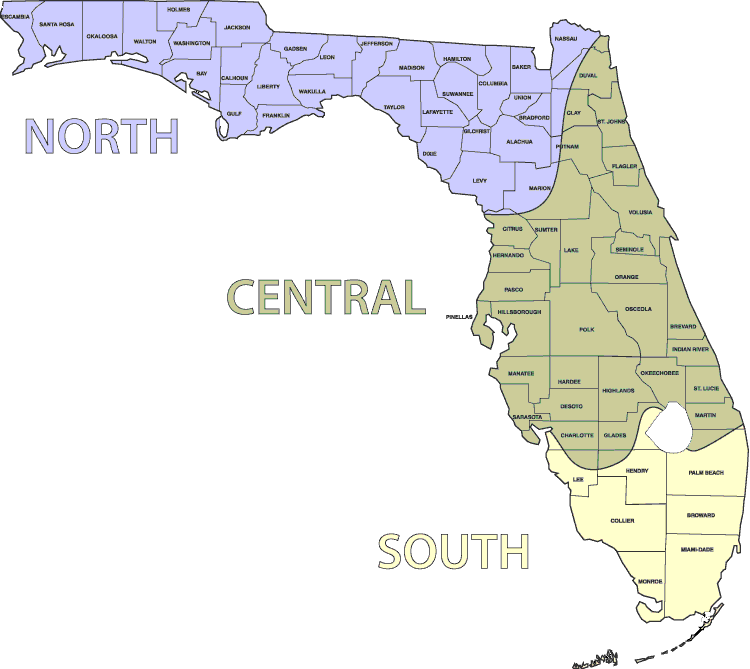
This guide provides information on when to start seeds inside, direct seed, and transplant starter plants in the different regions of Florida.
North USDA Planting Zones: 8b–9a
Central USDA Planting Zones: 9b & some of 10a
South USDA Planting Zones: 10a–11b
Visit the U.S. National Arboretum for an Exact USDA Planting Zone Map.
| Pea | North Florida | Central Florida | South Florida |
|---|---|---|---|
| Start Seeds Inside | Not recommended | Not recommended | Not recommended |
| Direct Seed | Jan–Mar | Nov–Feb | Nov–Feb |
| Transplant Starter Plants | Jan–Mar | Nov–Feb | Nov–Feb |
Planting Guide – Peas
Getting Started – Peas
Start Seeds Inside:
Starting pea seeds indoors is not recommended because peas perform best when sown directly.
Their roots dislike disturbance, and direct seeding usually produces stronger, better-established plants.
Direct Seed:
Direct seeding during cooler months supports quick germination and steady vine growth. Use the regional windows above
to avoid heat stress and ensure plants have time to flower and set pods.
Transplant Starter Plants:
If you transplant, plant carefully in late fall or winter. Handle roots gently to reduce shock and keep growth moving.
Peas are cool-season legumes that can improve soil by fixing nitrogen. After production ends, cut plants at the soil line and leave roots in place to feed soil life and future crops.
Soil, Sun, Water, Spacing, and Additional Tips
Soil:
Peas prefer well-drained soil with a pH between 6.0 and 7.0. Mix in compost to improve structure,
but avoid excess nitrogen which can reduce pod production.
Sun:
Full sun to partial shade works well. In warmer stretches, a bit of afternoon shade can reduce stress and extend harvesting.
Watering:
Keep soil evenly moist, especially during flowering and pod fill. Avoid waterlogging. Mulch helps stabilize moisture and temperature.
Spacing:
- Plant seeds 2–6 inches apart in rows spaced about 12 inches apart.
- Use trellis/netting for vining types to improve airflow and make harvest easier.
Additional Tips:
- Plant in cool soil that drains well—peas dislike soggy conditions.
- Rotate crops to reduce disease carryover.
- Stagger sowings within the recommended window for a longer harvest.
Harvest – Snap, Snow, and Shelling Peas
Snap Peas:
Harvest when pods are plump, crisp, and still tender, often around 60–80 days after planting.
Frequent picking encourages continued flowering and pod set.
Snow Peas:
Pick when pods are flat and tender, before seeds swell. This is usually within the 60–80 day range,
depending on temperatures and variety.
Shelling Peas:
Harvest when pods are rounded and bright green with fully formed peas inside—before peas turn starchy. Shell soon after picking for best flavor.
Picking at the right stage is the difference between tender, sweet peas and tough pods. Harvest often for the best quality and longest production window.
Fertilization, Care, and Common Problems
Fertilization (N–P–K Ratio):
Use a lower-nitrogen blend that supports roots and pod production, such as 5-10-10 or 3-4-4.
When to Add:
Before Planting: Work fertilizer lightly into the bed before sowing.
Mid-Growing Season: If needed, reapply lightly once plants are established and starting to flower.
Application Tips:
- Always follow the directions on the fertilizer package.
- Side-dress a few inches away from stems and water in.
- Too much nitrogen can cause heavy vines with fewer pods.
Pests and Diseases that Affect Peas in Florida:
- Aphids: Sap-sucking pests that cause curling and weakening and can spread issues.
- Pea Weevils: Larvae can damage developing seeds inside pods.
- Fusarium Wilt: Yellowing, wilting, and stunting from soil-borne fungi.
- Powdery Mildew: White coating on leaves that reduces vigor and yield.
- Downy Mildew: Yellowing with fuzzy gray growth underneath leaves.
- Root Rot: Most common in poorly drained soil; plants collapse.
Blog post on Natural Fertilizers
Natural Pest Control
Companion Plants and Plants to Avoid
Companion Plants for Peas:
| Carrot | Carrots loosen soil and benefit from the nitrogen peas leave behind. Their different root zones reduce competition. |
| Radish | Fast-growing and can function as a light “buffer” crop. Radishes may help distract certain pests and keep beds active early. |
| Marigold | Supports healthier beds by discouraging nematode pressure and improving beneficial insect activity nearby. |
| Lettuce | Works as living ground cover around trellised peas, helping retain moisture and suppress weeds without heavy nutrient demand. |
| Spinach | Quick-growing ground cover that helps suppress weeds and can benefit from improved soil nitrogen after peas finish. |
Plants to Avoid Near Peas:
| Onions | Alliums can inhibit pea growth; keep onions and peas in separate beds or well separated rows. |
| Garlic | Like onions, garlic can stunt peas when planted close. Separate for stronger pea growth and better yields. |
| Shallots | Another allium that can reduce pea vigor. Plant in a different section of the garden. |
| Leeks | Allium-family crop that can interfere with pea performance. Give each crop its own space. |
| Potatoes | Can compete heavily for nutrients and may overlap in pest pressure. Separate beds reduce problems and simplify management. |