Mustard Greens
Mustard greens, with their broad, ruffled leaves and peppery flavor, bring a vibrant and spicy touch to any garden. These leafy greens are known for their robust growth and striking appearance, with leaves that range in color from bright green to deep purple. Their bold texture and lively taste make mustard greens a standout feature in garden beds or containers.
In Florida planting zone 9, mustard greens thrive particularly well during the cooler months. The plants grow into lush, bushy forms, with leaves that can be harvested continuously throughout the season. Watching these greens flourish is a satisfying experience, showcasing the success and productivity of your garden.
For those new to gardening, mustard greens are an excellent choice. They are relatively easy to grow and provide a steady supply of nutritious and flavorful leaves. Whether you enjoy them sautéed, in salads, or as a spicy addition to soups and stews, mustard greens bring a zesty and healthy element to your meals, making your gardening efforts truly rewarding.
Ocala Food Forest participates in affiliate programs that help support our educational and community projects. When you purchase through the links provided on our site, we may receive a small commission at no additional cost to you. This support allows us to keep the site free to access and continue researching what grows best in Central Florida’s Zone 9 climate. We only recommend products and resources we have personally tested and trust.
The vegetables listed on this page are not the only ones that can thrive in this region of Florida, but they represent the top recommended varieties for optimal growth and success in local conditions.
Mustard Greens Varieties:
Florida Broadleaf
Heirloom

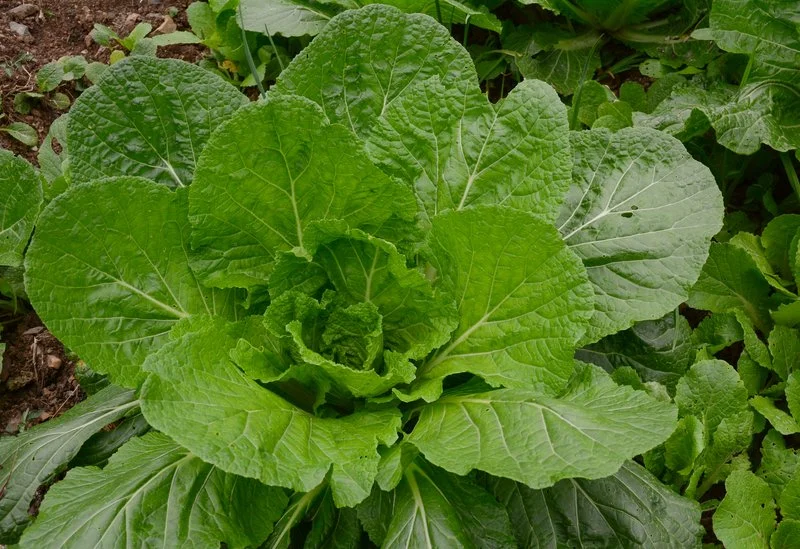
Description: Florida Broadleaf mustard is a traditional Southern variety with large, smooth, green leaves. It has a mild, slightly peppery flavor and is commonly used in Southern cuisine.
Growing Season: Fall and Winter
USDA Planting Zone: 7–9
Special Notes: Quick-growing and well-adapted to Florida's climate. It produces abundant greens over a long season.
Southern Giant Curled

Description: Southern Giant Curled mustard is known for its large, frilled leaves and spicy flavor. It is a fast-growing variety that produces tender greens ideal for cooking and salads.
Growing Season: Fall and Winter
USDA Planting Zone: 6–9
Special Notes: Heat-tolerant and slow to bolt, making it suitable for warmer climates.
Green Wave
Heirloom

Description: Green Wave mustard has deeply cut, frilly leaves with a bright green color. It has a strong, peppery flavor and is excellent for fresh use or cooking.
Growing Season: Fall and Winter
USDA Planting Zone: 4–9
Special Notes: Highly resistant to bolting and performs well in both cool and warm conditions.
Red Giant
Heirloom

Description: Red Giant mustard has broad, reddish-purple leaves with a spicy, mustardy flavor. It adds a pop of color to salads and cooked dishes.
Growing Season: Fall and Winter
USDA Planting Zone: 4–9
Special Notes: Cold-tolerant and can withstand light frosts, enhancing its flavor.
Mizuna (Japanese Mustard)
Heirloom

Description: Mizuna has feathery, dark green leaves with a mild, peppery flavor. It is commonly used in salads and stir-fries.
Growing Season: Fall and Winter
USDA Planting Zone: 4–9
Special Notes: Very heat-tolerant and slow to bolt, making it an excellent choice for extended harvest.
Florida Vegetable Planting Map
This guide provides information on when to start seeds inside, direct seed, and transplant starter plants in the different regions of Florida.
North USDA Planting Zones: 8b–9a
Central USDA Planting Zones: 9b & some of 10a
South USDA Planting Zones: 10a–11b
Visit the U.S. National Arboretum for an Exact USDA Planting Zone Map.
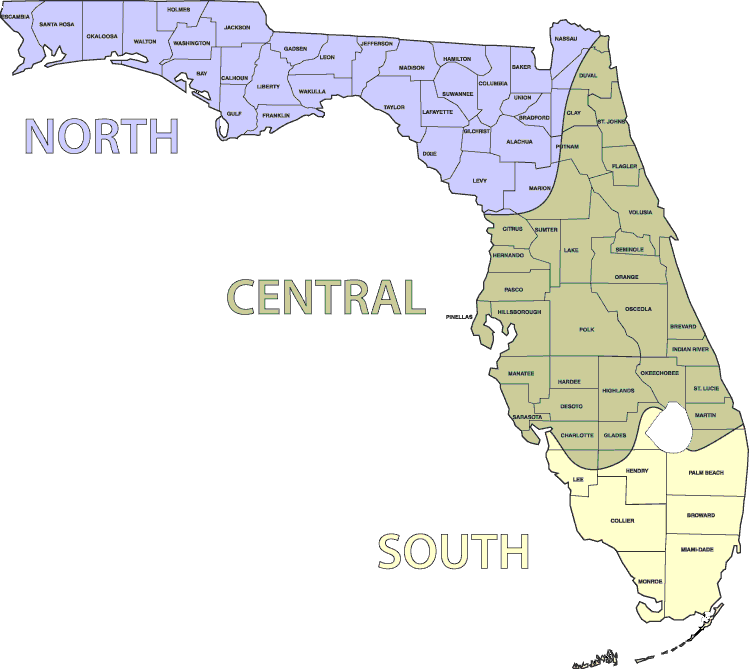
| Mustard Greens | North Florida | Central Florida | South Florida |
|---|---|---|---|
| Start Seeds Inside | Aug–Sep | Aug–Sep | Aug–Sep |
| Direct Seed | Aug–Feb | Sep–Feb | Sep–Jan |
| Transplant Starter Plants | Sep–Mar | Sep–Mar | Sep–Mar |
Planting Guide – Mustard Greens
Getting Started
Start Seeds Inside:
Starting mustard greens indoors can help you get sturdy seedlings ready for the garden as soon as nighttime temperatures
cool down, improving germination consistency and early growth.
Direct Seed:
Direct seeding during Florida’s cooler months lets mustard greens establish quickly without transplant stress and reduces
the risk of heat-triggered bolting.
Transplant Starter Plants:
Transplanting seedlings gives you a faster start and a more uniform bed, which is helpful when you want predictable spacing
and harvest timing.
Mustard greens grow best in cool weather. Consistent moisture and steady fertility help keep leaves tender and reduce bitterness.
Soil, Sun, Water, and Spacing
Soil:
Mustard greens prefer well-drained, fertile soil with a pH between 6.0 and 7.5.
Work in compost to improve fertility and help the soil hold moisture evenly.
Sun:
Full sun is ideal, but partial shade can help keep leaves sweeter during warm spells. Morning sun with afternoon shade can be a good
setup in Central Florida.
Watering:
Keep soil consistently moist (not soggy). Uneven watering can lead to tougher leaves and stronger, more bitter flavor.
Water early so foliage dries quickly.
Spacing:
Sow seeds shallow (about 1/4 inch deep). Thin plants to 6–12 inches apart depending on the size you want,
and space rows around 12–18 inches apart for airflow and easy harvesting.
Harvesting and Additional Tips
Harvesting:
Mustard greens are usually ready when leaves reach a usable size, often 40–50 days after planting.
Harvest outer leaves first to keep the plant producing, or cut the whole plant when it reaches your preferred size.
How to Harvest:
Harvest in the morning for the best texture. Use clean snips and avoid damaging the growing center if you want regrowth.
Additional Tips:
- Succession sow every 2–3 weeks for steadier harvests.
- Use light row cover early to reduce flea beetle damage.
- Keep fertility steady for tender leaves (too much stress = tougher, sharper flavor).
Fertilization, Care, and Common Problems
Fertilization (N–P–K Ratio):
Mustard greens benefit from higher nitrogen for leafy growth, such as 15-5-5 or 20-10-10.
When to Add:
Before Planting: Mix fertilizer into the bed before sowing/transplanting.
Mid-Growing Season: Reapply every 3–4 weeks to keep growth steady.
Application Tips:
- Follow the directions on the fertilizer package to avoid over-fertilization.
- Keep fertilizer off leaves and stems; water in after applying.
- Pair fertilizer with compost to support soil life and moisture-holding.
Pests and Diseases in Florida:
- Aphids: Sap-sucking insects that distort new growth.
- Flea Beetles: Tiny beetles that create “shot-hole” leaf damage.
- Cabbage Loopers: Caterpillars that chew large holes in leaves.
- Cutworms: Cut seedlings at the soil line.
- Downy Mildew: Yellowing with fuzzy growth underneath leaves in cool, damp conditions.
- Clubroot: Swollen roots and stunting (soil-borne; rotate crops and maintain pH).
Blog post on Natural Fertilizers
Natural Pest Control
Companion Plants and Plants to Avoid
Companion Plants:
| Marigold | Helps deter nematodes and can reduce aphids and flea beetle pressure around mustard greens. |
| Onion | Strong scent can help confuse pests and reduce aphid activity near brassicas. |
| Nasturtium | Acts as a trap crop for aphids and can draw pests away from your mustard bed. |
| Dill | Attracts beneficial insects (ladybugs, lacewings, parasitic wasps) that help reduce caterpillars and aphids. |
| Garlic | Helps repel soft-bodied pests and may reduce fungal pressure when airflow and moisture are managed. |
Plants to Avoid Nearby:
| Strawberries | Can compete for moisture and may increase shared pest/disease issues in tight plantings. |
| Tomatoes | Heavy feeder that competes for nutrients and can complicate bed management when rotated with brassicas. |
| Peppers | Compete for space and resources; mixed beds can be harder to manage for consistent watering and fertility. |
| Garden Beans | Different fertility needs and canopy habits can reduce airflow and complicate pest control in a brassica bed. |
| Other Brassicas (Cabbage, Cauliflower, Broccoli, Brussels Sprouts, Kale) |
Growing many brassicas together can increase pest pressure (loopers, aphids) and disease risk in the same bed. |