Zucchini
Zucchini, with its prolific production and mild, versatile flavor, brings a bountiful and practical touch to any garden. These summer squash plants are known for their rapid growth and high yields, producing long, cylindrical fruits that range in color from deep green to yellow. The large, lobed leaves and bright yellow flowers add to the visual appeal, making zucchini a vibrant addition to garden beds or containers.
In Florida planting zone 9, zucchini thrives during the warm months, producing an abundant harvest throughout the growing season. The plants grow vigorously, with sprawling vines or bushy forms that yield numerous fruits. Watching these plants flourish and produce a steady supply of zucchini is a rewarding experience, showcasing the productivity of your garden.
For those new to gardening, zucchini is an excellent choice. It is relatively easy to grow and provides a continuous harvest of versatile fruits. Whether you enjoy them grilled, sautéed, or baked into bread, zucchini adds a delicious and nutritious element to your meals, making your gardening endeavors both enjoyable and fruitful.
Ocala Food Forest participates in affiliate programs that help support our educational and community projects. When you purchase through the links provided on our site, we may receive a small commission at no additional cost to you. This support allows us to keep the site free to access and continue researching what grows best in Central Florida’s Zone 9 climate. We only recommend products and resources we have personally tested and trust.
The vegetables listed on this page are not the only ones that can thrive in this region of Florida, but they represent the top recommended varieties for optimal growth and success in local conditions.
Zucchini Varieties:
Golden Zucchini
Heirloom


Description: Golden Zucchini produces bright yellow fruits with a mild, sweet flavor and tender texture. The vibrant color adds visual appeal to dishes.
Growing Season: Spring, Summer, and Fall
USDA Planting Zone: 3–10
Special Notes: High-yielding and easy to spot for harvesting. Matures in about 50–55 days.
Black Beauty
Heirloom

Description: Black Beauty zucchini is a classic summer squash variety with dark green, glossy skin and tender, flavorful flesh.
Growing Season: Spring, Summer, and Fall
USDA Planting Zone: 3–10
Special Notes: Prolific producer. Perfect for grilling, baking, and adding to salads.
Cocozelle
Heirloom
Description: Cocozelle is an Italian heirloom variety with distinctive dark and light green stripes. The fruits are slender and have a rich, nutty flavor.
Growing Season: Spring, Summer, and Fall
USDA Planting Zone: 3–10
Special Notes: Excellent for grilling, sautéing, and baking. Matures in about 50–60 days.
Eight Ball
Description: Eight Ball is a unique, round zucchini variety with dark green skin and tender flesh. The small, spherical fruits are perfect for stuffing.
Growing Season: Spring, Summer, and Fall
USDA Planting Zone: 3–10
Special Notes: Compact plants suitable for small gardens and containers. Matures in about 50 days.
Patio Star
Description: Patio Star is a compact, bush-type zucchini ideal for container gardening. It produces dark green, slender fruits with a mild flavor.
Growing Season: Spring, Summer, and Fall
USDA Planting Zone: 3–10
Special Notes: Perfect for small spaces and container gardening. Matures in about 40–50 days.
Raven
Description: Raven zucchini produces dark green, cylindrical fruits with a smooth texture and sweet flavor. The plants are vigorous and high-yielding.
Growing Season: Spring, Summer, and Fall
USDA Planting Zone: 3–10
Special Notes: Disease-resistant and very productive. Matures in about 48–55 days.
Florida Vegetable Planting Guide
This guide provides information on when to start seeds inside, direct seed, and transplant starter plants in the different regions of Florida.
North USDA Planting Zones: 8b-9a
Central USDA Planting Zones: 9b & some of 10a
South USDA Planting Zones: 10a-11b
Visit the U.S. National Arboretum for an Exact USDA Planting Zone Map.
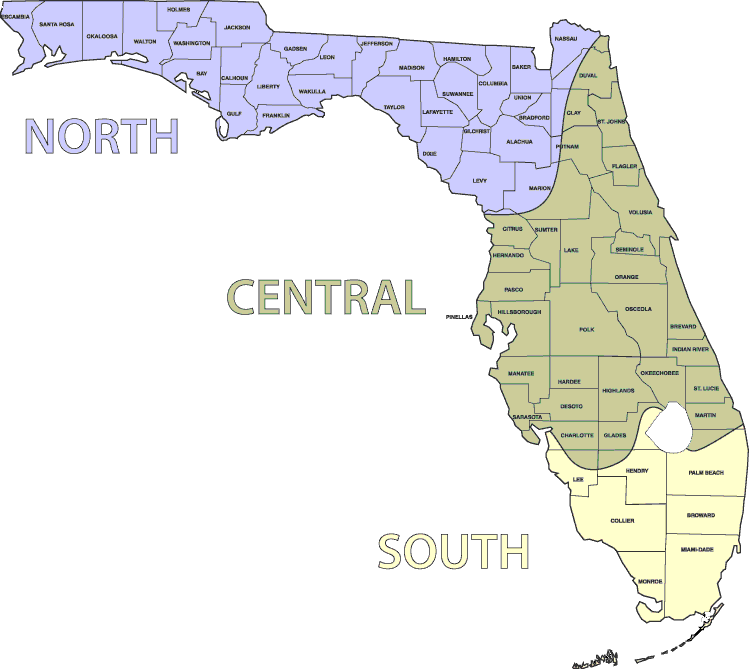
| Zucchini | North Florida | Central Florida | South Florida |
|---|---|---|---|
| Start Seeds Inside | Feb-Mar | Jan-Mar | Jan-Mar |
| Direct Seed | Mar-Jun | Feb-Jun | Jan-Jun |
| Transplant Starter Plants | Mar-Jun | Feb-Jun | Jan-Jun |
Planting Guide – Zucchini
Getting Started
Start Seeds Inside:
Starting zucchini seeds indoors allows for controlled conditions, ensuring strong seedlings ready for transplanting outdoors.
Direct Seed:
Direct seeding zucchini during the warmer months ensures rapid germination and growth.
Transplant Starter Plants:
Transplanting zucchini starter plants helps them establish quickly in the garden, leading to a productive harvest.
Soil, Sun, Water, and Spacing
Soil:
Zucchini prefers well-drained, fertile soil with a pH between 6.0 and 7.0. Amend the soil with compost or well-rotted manure to improve fertility and structure.
Sun:
Full sun is essential for optimal growth and fruit production. Ensure zucchini receives at least 6-8 hours of sunlight daily.
Watering:
Keep the soil consistently moist but not waterlogged. Mulching helps retain soil moisture and regulate temperature.
Spacing:
Plant zucchini seeds or transplants 18-24 inches apart in rows and space rows 3-4 feet apart. Proper spacing ensures adequate air circulation and room for growth.
Harvesting and Additional Tips
Harvesting:
Zucchini is ready to harvest when the fruits are about 6-8 inches long, typically 50-60 days after planting. Pick them while the skin is still tender by cutting the stem with a sharp knife or scissors. Regular harvesting encourages continuous production.
Additional Tips:
- Zucchini grows best in well-drained soil rich in organic matter, so consider adding compost to improve soil fertility and structure.
- Mulch around the plants to help retain moisture, suppress weeds, and regulate soil temperature.
- Ensure that zucchini receives consistent moisture, especially during flowering and fruiting, to prevent stress and promote even growth.
Fertilization, Care, and Problems
Fertilization: N-P-K Ratio:
Zucchini benefits from a balanced fertilizer with a slightly higher phosphorus and potassium content to support fruit development, such as 10-10-10 or 5-10-10.
When to Add:
Before Planting: Apply the fertilizer to the soil before planting seeds or transplants to promote strong initial growth.
Mid-Growing Season: Reapply the fertilizer when the plants start to flower and set fruit, and then every 4-6 weeks during the growing season to support continued growth and fruit production.
Application Tips:
- Follow the directions on the fertilizer package to avoid over-fertilization.
- Apply the fertilizer evenly around the base of the plants and water thoroughly to help the nutrients reach the roots.
Pests and Diseases that affect Zucchini in Florida:
- Squash Bugs: Bugs that suck sap from the leaves, causing them to wilt and die.
- Cucumber Beetles: Beetles that chew on the leaves, stems, and flowers and can transmit bacterial wilt.
- Squash Vine Borers: Larvae that burrow into the stems, causing plants to wilt and die.
- Aphids: Small insects that suck sap from the leaves and stems, causing curling and yellowing.
- Spider Mites: Tiny mites that cause stippling and yellowing of the leaves.
- Powdery Mildew: A fungal disease that causes a white, powdery coating on the leaves.
- Downy Mildew: A fungal disease that causes yellowing leaves with a fuzzy, grayish growth on the underside.
Blog post on Natural Fertilizers
Natural Pest Control
Companion Plants and Plants to Avoid
Companion Plants:
| Marigold | Marigolds help repel nematodes, aphids, and cucumber beetles. Their roots release a substance that helps prevent root-knot nematodes, protecting zucchini roots. |
| Nasturtium | Nasturtiums act as a trap crop, luring aphids and cucumber beetles away from zucchini. Their flowers also attract beneficial insects that prey on these pests. |
| Radish | Radishes attract flea beetles and aphids, reducing the number of pests that attack zucchini. This helps to protect the zucchini from pest damage. |
| Borage | Borage attracts pollinators and beneficial insects like predatory wasps and bees, which help control pests such as aphids and cucumber beetles on zucchini. It also improves soil quality by adding trace minerals. |
| Dill | Dill attracts beneficial insects such as ladybugs and predatory wasps that prey on aphids, cucumber beetles, and squash bugs. It also helps improve the health of surrounding plants by enhancing their growth. |
| Garlic | Garlic helps to repel aphids, spider mites, and other pests due to its strong odor. It also has antifungal properties that can help reduce the incidence of powdery mildew and downy mildew on zucchini. |
| Mint | Mint repels aphids, flea beetles, and other pests with its strong aroma. It also attracts beneficial insects that prey on pests affecting zucchini. |
| Thyme | Thyme helps repel squash bugs, flea beetles, and other pests with its strong aroma. It also attracts beneficial insects that prey on pests affecting zucchini. |
Plants to Avoid Nearby:
| Potatoes | Can spread diseases and compete for nutrients with zucchini. |
| Pumpkins | Compete for nutrients and space, and can attract similar pests. |
| Melons | Compete for nutrients and space, and can attract similar pests. |
| Cucumbers | Compete for nutrients and can attract similar pests. |
| Fennel | Can inhibit the growth of zucchini. |