Turnips
Turnips, with their crisp, round roots and leafy green tops, bring a versatile and nutritious touch to any garden. These root vegetables are known for their mild, slightly sweet flavor and their dual-purpose nature, as both the roots and greens can be harvested and enjoyed. The round, white or purple roots and the lush, green foliage make turnips an attractive addition to garden beds or containers.
In Florida planting zone 9, turnips thrive, particularly during the cooler months. The plants grow quickly, producing robust roots that are ready to harvest within a few months. Watching these sturdy roots develop and the greens flourish is a satisfying experience, marking the success of your gardening efforts.
For those new to gardening, turnips are an excellent choice. They are relatively easy to grow and provide a continuous supply of nutritious roots and greens. Whether you enjoy them roasted, mashed, or in soups, turnips bring a hearty and healthy addition to your meals, making your gardening endeavors both productive and enjoyable.
Ocala Food Forest participates in affiliate programs that help support our educational and community projects. When you purchase through the links provided on our site, we may receive a small commission at no additional cost to you. This support allows us to keep the site free to access and continue researching what grows best in Central Florida’s Zone 9 climate. We only recommend products and resources we have personally tested and trust.
The vegetables listed on this page are not the only ones that can thrive in this region of Florida, but they represent the top recommended varieties for optimal growth and success in local conditions.
Turnip Varieties:
Purple Top White Globe
Heirloom



Description: Purple Top White Globe is a classic turnip variety with a smooth, white root and a purple top. It has a sweet, mild flavor and tender texture.
Growing Season: Fall, Winter, and Spring
USDA Planting Zone: 2–9
Special Notes: Fast-growing and highly productive. Excellent for fresh eating, cooking, and storage.
Hakurei (Japanese Turnip)
Description: Hakurei turnips are small, white, and round with a smooth texture and sweet, crisp flavor. They are known for their tenderness and can be eaten raw or cooked.
Growing Season: Fall, Winter, and Spring
USDA Planting Zone: 3–10
Special Notes: Very fast-maturing, typically ready to harvest in about 30–40 days. The greens are also edible and delicious.
Golden Globe
Heirloom
Description: Golden Globe turnips have a round, yellow root with a sweet, mild flavor. They are known for their attractive color and tender texture.
Growing Season: Fall, Winter, and Spring
USDA Planting Zone: 3–10
Special Notes: Adds color to dishes. Excellent for fresh eating, cooking, and storage.
White Egg
Description: White Egg turnips are elongated, white roots with a smooth texture and mild, sweet flavor. They are tender and versatile in the kitchen.
Growing Season: Fall, Winter, and Spring
USDA Planting Zone: 3–10
Special Notes: Fast-maturing and highly productive. Ideal for fresh eating and cooking.
Seven Top
Description: Seven Top is primarily grown for its lush, nutritious greens rather than its roots. The leaves are tender and have a mild flavor.
Growing Season: Fall, Winter, and Spring
USDA Planting Zone: 2–9
Special Notes: Excellent for salads, sautés, and soups. The roots are edible but not typically grown for consumption.
Florida Vegetable Planting Guide
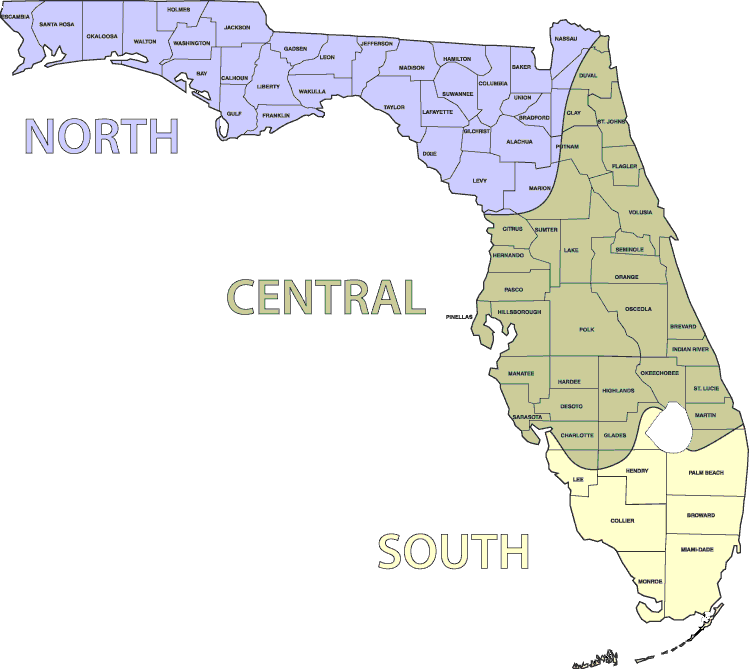
This guide provides information on when to start seeds inside, direct seed, and transplant starter plants in the different regions of Florida.
North USDA Planting Zones: 8b-9a
Central USDA Planting Zones: 9b & some of 10a
South USDA Planting Zones: 10a-11b
Visit the U.S. National Arboretum for an Exact USDA Planting Zone Map.
| Turnip | North Florida | Central Florida | South Florida |
|---|---|---|---|
| Start Seeds Inside | Not recommended | Not recommended | Not recommended |
| Direct Seed | Aug-Feb | Sep-Feb | Sep-Jan |
| Transplant Starter Plants | Not recommended | Not recommended | Not recommended |
Planting Guide – Turnips
Getting Started
Start Seeds Inside:
Starting turnip seeds indoors is not recommended because turnips grow quickly and do well when directly sown into the garden.
Direct Seed:
Direct seeding turnips during the cooler months allows for quick germination and rapid growth, taking advantage of the mild temperatures.
Transplant Starter Plants:
Transplanting turnip seedlings is not recommended because their delicate roots can be easily damaged, which can affect growth and root shape.
Soil, Sun, Water, and Spacing
Soil:
Turnips prefer well-drained, fertile soil with a pH between 6.0 and 7.5. Amend with compost or well-rotted manure to improve fertility and structure.
Sun:
Full sun is ideal, but turnips can tolerate partial shade—especially helpful in warmer spells in Florida.
Watering:
Keep the soil consistently moist but not waterlogged. Mulching helps retain soil moisture and regulate soil temperature.
Spacing:
Plant seeds 1/4 to 1/2 inch deep, spacing seeds about 2–6 inches apart in rows. Space rows about 12 inches apart.
Thin seedlings to 4–6 inches apart to allow room for root development.
Harvesting and Additional Tips
Harvesting:
Turnips are ready to harvest when roots are about 2–3 inches in diameter, typically 40–60 days after planting.
Gently pull the roots from the soil. The greens can also be harvested and eaten.
Additional Tips:
- Grow turnips in loose, well-amended soil for smoother, better-shaped roots.
- Avoid high-nitrogen fertilizer; it can cause lots of leaves but smaller roots.
- Maintain steady moisture during root development to prevent stress and strong flavor.
Fertilization, Care, and Problems
Fertilization (N–P–K Ratio):
Turnips benefit from lower nitrogen and higher phosphorus/potassium for root development, such as 5-10-10 or 4-8-4.
When to Add:
Before Planting: Apply fertilizer to the soil before sowing to support early growth and root development.
Mid-Growing Season: If needed, reapply lightly mid-season to support continued root development.
Application Tips:
- Always follow the directions on the fertilizer package.
- Apply evenly and water in so nutrients reach the root zone.
- Avoid excess nitrogen to keep growth focused on roots.
Pests and Diseases in Florida:
- Aphids: Sap-sucking pests that cause curling and yellowing.
- Flea Beetles: Small beetles that chew tiny “shot holes” in leaves.
- Root Maggots: Larvae that tunnel into roots, leading to decay.
- Cabbage Root Maggots: Fly larvae that burrow into roots and can cause wilting and loss.
- Downy Mildew: Yellowing leaves with fuzzy gray growth underneath.
- Clubroot: Swollen, distorted roots that stunt growth.
Blog post on Natural Fertilizers
Natural Pest Control
Companion Plants and Plants to Avoid
Companion Plants:
| Onions | Helps repel aphids and flea beetles; the strong scent can mask turnips and reduce pest pressure. |
| Marigold | May help deter soil pests and reduce nematode pressure; can also help with aphids and flea beetles. |
| Nasturtium | Acts as a trap crop for aphids and flea beetles; flowers also attract beneficial insects. |
| Thyme | Strong aroma helps repel pests (including root maggot pressure) and attracts beneficial insects. |
| Garlic | Repels aphids and flea beetles; may help reduce fungal pressure as part of an integrated approach. |
| Chives | Helps repel aphids and flea beetles and attracts beneficial predators. |
| Mint | Strong scent can repel pests, but it can spread aggressively—keep it contained. |
| Dill | Attracts ladybugs and predatory wasps that prey on aphids and other turnip pests. |
Plants to Avoid Nearby:
| Potatoes | Can increase disease pressure and compete for nutrients and space. |
| Radishes | Compete for similar nutrients and can attract similar pests and diseases. |
| Brassicas ( Cabbage, Cauliflower, Broccoli, Brussels-Sprouts, Kale ) | Compete for the same nutrients and can attract overlapping pests, increasing overall pressure in the bed. |