Kohlrabi
Kohlrabi, with its unique, bulbous stems and leafy tops, brings an intriguing and flavorful touch to any garden. This cool-season vegetable is known for its alien-like appearance, with swollen stems that can be green or purple. The leafy greens sprout from the top, adding to its distinctive look and making kohlrabi a fascinating addition to garden beds or containers.
In Florida planting zone 9, kohlrabi thrives, especially during the cooler months. The bulbs develop just above the soil, creating a curious and delightful sight as they mature. Watching these unusual plants grow is a rewarding experience, highlighting the diversity and beauty of your garden.
For those new to gardening, kohlrabi is a rewarding choice. It’s relatively easy to grow and offers both edible bulbs and greens. Whether you enjoy it raw, roasted, or in salads, kohlrabi brings a crisp and mild flavor to your meals, making your gardening efforts both enjoyable and productive.
Ocala Food Forest participates in affiliate programs that help support our educational and community projects. When you purchase through the links provided on our site, we may receive a small commission at no additional cost to you. This support allows us to keep the site free to access and continue researching what grows best in Central Florida’s Zone 9 climate. We only recommend products and resources we have personally tested and trust.
The vegetables listed on this page are not the only ones that can thrive in this region of Florida, but they represent the top recommended varieties for optimal growth and success in local conditions.
Kohlrabi Varieties:
Early White Vienna
Heirloom


Description: Early White Vienna is a classic kohlrabi variety known for its crisp, white flesh and mild, sweet flavor.
Growing Season: Fall, Winter & Early Spring
USDA Planting Zone: 3–9
Special Notes: Fast-maturing — ready in about 55 days.
Purple Vienna
Heirloom

Description: Purple Vienna has vibrant purple skin with crisp white flesh and a stronger flavor than white varieties.
Growing Season: Fall, Winter & Early Spring
USDA Planting Zone: 3–9
Special Notes: Retains color when cooked — 60 days to maturity.
Kossak

Description: Large, sweet bulbs that resist getting woody.
Growing Season: Fall, Winter & Early Spring
USDA Planting Zone: 3–9
Special Notes: Very slow to bolt — excellent storage crop.
Kolibri

Description: Vibrant purple skin, crisp white flesh, sweet flavor.
Growing Season: Fall, Winter & Early Spring
USDA Planting Zone: 3–9
Special Notes: Extra fast — harvest in 45–50 days.
Grand Duke

Description: Tender and mild with excellent heat tolerance.
Growing Season: Fall, Winter & Early Spring
USDA Planting Zone: 3–9
Special Notes: Matures in 50–55 days — great in warm autumns.
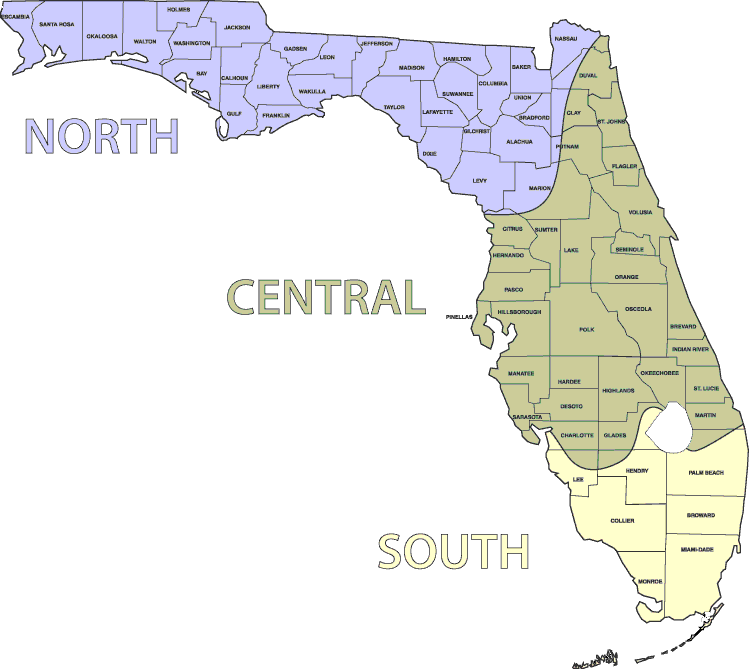
Florida Vegetable Planting Map
This guide provides information on when to start seeds inside, direct seed, and transplant starter plants in the different regions of Florida.
North USDA Planting Zones: 8b-9a
Central USDA Planting Zones: 9b & some of 10a
South USDA Planting Zones: 10a-11b
Visit the U.S. National Arboretum for an Exact USDA Planting Zone Map.
| Kohlrabi | North Florida | Central Florida | South Florida |
|---|---|---|---|
| Start Seeds Inside | Aug-Sep | Aug-Sep | Aug-Sep |
| Direct Seed | Sep-Mar | Sep-Mar | Oct-Feb |
| Transplant Starter Plants | Oct-Mar | Oct-Mar | Oct-Mar |
Planting Guide – Kohlrabi
Getting Started
Start Seeds Inside:
Starting kohlrabi seeds indoors allows for controlled conditions and strong seedling development before
transplanting outdoors. This helps you hit the cooler weather windows that kohlrabi prefers.
Direct Seed:
Direct seeding kohlrabi during the cooler months ensures plants can grow without the stress of high
temperatures, which can negatively impact bulb development and flavor.
Transplant Starter Plants:
Transplanting kohlrabi starter plants from late fall through early spring helps them establish quickly and
take advantage of the full cool-season growing period.
Kohlrabi is a reliable, compact crop that fits well into intensively planted beds. With the right timing and early care, it produces crisp, sweet bulbs and tender greens for a long harvest window.
Soil, Sun, Water, and Spacing
Soil:
Kohlrabi prefers well-drained, fertile soil with a pH between 6.0 and 7.5.
Work in compost or well-rotted manure to improve fertility and structure and to support steady bulb growth.
Sun:
Full sun is ideal for kohlrabi, but it can tolerate partial shade, especially in warmer climates.
In Zone 9, a bit of afternoon shade can help reduce heat stress during warm spells.
Watering:
Keep soil consistently moist but not waterlogged. Even moisture is especially important during bulb formation.
Mulching helps retain soil moisture, suppress weeds, and regulate soil temperature.
Spacing:
Plant kohlrabi seeds 3–5 inches apart in rows spaced about 24 inches apart. Thin seedlings to 4–6 inches apart
so each plant has enough room for proper bulb development.
Harvesting and Additional Tips
Harvesting:
Kohlrabi is ready to harvest when the bulbous stem reaches about 2–3 inches in diameter (around the size of a
tennis ball), typically 50–80 days after planting. The bulbs should be firm; larger bulbs are more likely to
become woody and less flavorful.
How to Harvest:
Cut the bulb at the base with a clean knife. For best texture, harvest while bulbs are still young and tender.
The greens are also edible—harvest a few outer leaves as the plant grows, but avoid stripping too many leaves at once so bulbs can size up properly.
Additional Tips:
- Build soil organic matter with compost to improve structure, drainage, and nutrient-holding capacity.
- Mulch to conserve moisture, suppress weeds, and keep bulbs cool and evenly hydrated.
- Keep growth steady—stops and starts from drought or poor nutrition can cause woody or split bulbs.
- Thin seedlings early so bulbs have room to size up evenly (crowding increases stress and tough texture).
- Harvest on time—kohlrabi holds quality best when picked small to medium, before it becomes fibrous.
Fertilization, Care, and Common Problems
Fertilization (N–P–K Ratio):
Kohlrabi benefits from a balanced fertilizer with moderate nitrogen to support leafy growth and bulb formation,
such as 10-10-10 or 14-14-14, combined with plenty of organic matter.
When to Add:
Before Planting: Mix a balanced fertilizer into the soil before sowing or transplanting.
Mid-Growing Season: Reapply every 4–6 weeks during the growing season to maintain steady growth.
Application Tips:
- Follow the directions on the fertilizer package to avoid over-fertilization.
- Apply fertilizer evenly around the base of plants, keeping it away from direct contact with stems.
- Water thoroughly after fertilizing to help nutrients move into the root zone.
- Keep growth steady—drought + sudden watering can lead to splitting or tough bulbs.
Pests and Diseases in Florida:
- Aphids: Sap-feeders that cause curling and yellowing.
- Cabbage Worms: Caterpillars that chew holes and can defoliate plants quickly.
- Flea Beetles: “Shot-hole” leaf damage, especially on young plants.
- Cutworms: Cut seedlings at the soil line.
- Downy Mildew: Yellowing + fuzzy growth on leaf undersides.
- Clubroot: Swollen roots and stunting (soil-borne).
Blog post on Natural Fertilizers
Natural Pest Control
Companion Plants and Plants to Avoid
Companion Plants:
| Marigold | May help reduce nematodes and some soil pest pressure; also supports beneficial insects. |
| Onion | Strong scent can help confuse pests and fits well alongside brassicas in mixed beds. |
| Dill | Attracts beneficial insects (ladybugs, parasitic wasps) that help with aphids and caterpillars. |
| Chamomile | Supports beneficial insect activity and can be useful in diverse, mixed plantings. |
| Thyme | Low-growing living mulch; flowers attract beneficials and aroma can deter some pests. |
Plants to Avoid Nearby:
| Strawberries | Can increase pest/disease pressure in the same bed; keep in a separate patch. |
| Tomatoes | Different seasonal needs and competition; typically managed best in separate beds. |
| Peppers | Warm-season crop; separate spacing helps reduce competition and management conflicts. |
| Garden Beans | May not perform well interplanted with brassicas; separate beds/rotations work best. |
|
Other Brassicas: (Cabbage, Cauliflower, Brussels Sprouts, Broccoli, Kale) |
Share pests/diseases; too many brassicas together can amplify problems. Rotate the entire brassica family and separate where possible. |