
Arugula
Arugula, a leafy green with a peppery flavor, brings a fresh and zesty touch to any garden. Its delicate, lobed leaves grow quickly, adding a lush, vibrant green to your garden beds. This plant is not only a visual delight but also a culinary gem, perfect for salads, sandwiches, and garnishes.
As the arugula grows, its small white flowers may begin to appear, adding a subtle charm to your garden. These blossoms are not just pretty; they hint at the plant's readiness to be harvested and enjoyed. These arugula plants thrive in the Florida climate, particularly in zones 8b–9a, making them an excellent choice for local gardeners.
Whether you are a novice gardener or have some experience, arugula is a rewarding plant to grow. Its rapid growth and multiple harvests throughout the season offer a continuous supply of fresh greens. Adding arugula to your garden brings both beauty and a burst of flavor to your homegrown meals.
Ocala Food Forest participates in affiliate programs that help support our educational and community projects. When you purchase through the links provided on our site, we may receive a small commission at no additional cost to you. This support allows us to keep the site free to access and continue researching what grows best in Central Florida’s Zone 9 climate. We only recommend products and resources we have personally tested and trust.
The vegetables listed on this page are not the only ones that can thrive in this region of Florida, but they represent the top recommended varieties for optimal growth and success in local conditions.
Arugula Varieties:
Astro Arugula
Heirloom


Description: Astro arugula is known for its mild, peppery flavor and smooth, slightly lobed leaves. It is a fast-growing variety that matures quickly, making it ideal for continuous harvest.
Growing Season: Fall, Winter, and Spring
USDA Planting Zone: 3-10
Special Notes: Less pungent than other varieties, making it a great choice for salads. Heat-tolerant and slow to bolt.
Rocket Arugula
Heirloom

Description: Rocket arugula, also known as Wild Rocket, has deeply lobed, dark green leaves with a strong, spicy flavor. It is a favorite for its intense taste and nutritional value.
Growing Season: Fall, Winter, and Spring
USDA Planting Zone: 3-10
Special Notes: More pungent and peppery than other varieties. Best harvested young for the most tender leaves.
Esmee Arugula

Description: Esmee arugula has finely lobed, dark green leaves with a mild, nutty flavor and a hint of spice. It is known for its attractive appearance and tender texture.
Growing Season: Fall, Winter, and Spring
USDA Planting Zone: 3-10
Special Notes: Slow to bolt and heat-tolerant. Ideal for salads and garnishes.
Sylvetta (Wild Arugula)
Heirloom

Description: Sylvetta, or Wild Arugula, has small, deeply lobed leaves with a strong, spicy flavor. It is more heat-tolerant and drought-resistant than other arugula varieties.
Growing Season: Fall, Winter, and Spring
USDA Planting Zone: 3-10
Special Notes: Has a more intense flavor and is slower to bolt. Perfect for adding a peppery kick to salads and dishes.
Wasabi Arugula

Description: Wasabi arugula has broad, dark green leaves with a unique, wasabi-like flavor that is both spicy and savory. It adds a distinct taste to salads and dishes.
Growing Season: Fall, Winter, and Spring
USDA Planting Zone: 3-10
Special Notes: Slow to bolt and can tolerate a range of growing conditions. Adds a unique flavor to culinary dishes.
Florida Vegetable Planting Map
This guide provides information on when to start seeds inside, direct seed, and transplant starter plants in the different regions of Florida.
North USDA Planting Zones: 8b-9a
Central USDA Planting Zones: 9b & some of 10a
South USDA Planting Zones: 10a-11b
Visit the U.S. National Arboretum for an Exact USDA Planting Zone Map.
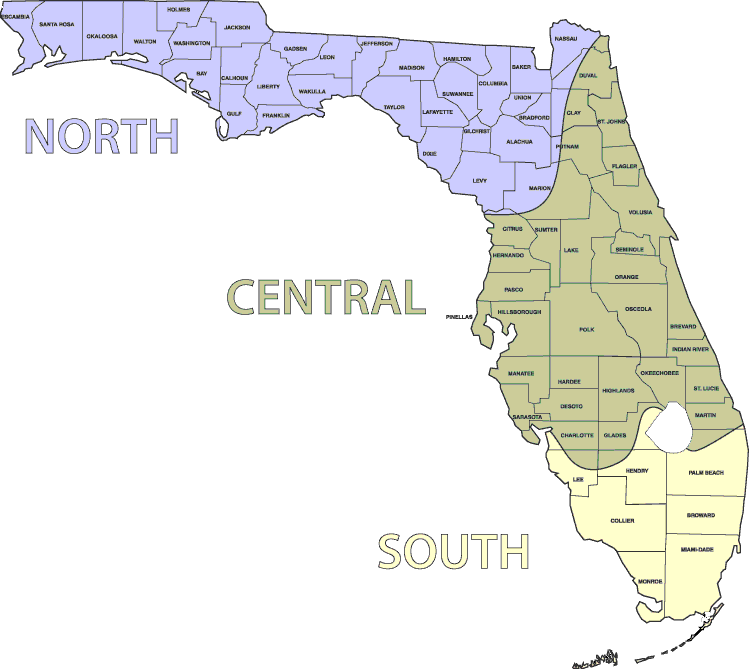
| Arugula | North Florida | Central Florida | South Florida |
|---|---|---|---|
| Start Seeds Inside | Not recommended | Not recommended | Not recommended |
| Direct Seed | Sep-Mar | Sep-Mar | Oct-Mar |
| Transplant Starter Plants | Sep-Mar | Sep-Mar | Oct-Mar |
Planting Guide – Arugula
Getting Started
Start Seeds Inside:
Starting arugula seeds indoors is usually not necessary. Arugula grows quickly and performs best when directly sown into the garden during cooler weather.
Direct Seed:
Direct seeding arugula during the cooler months allows for quick germination and rapid growth, taking advantage of mild temperatures and shorter, less-intense days.
Transplant Starter Plants:
If you use starter plants, transplant them during cooler periods so they can establish without heat stress. This helps maintain tender leaves and a steady harvest.
For a continuous supply, plant arugula every 2–3 weeks from fall through spring. Succession sowing keeps fresh leaves coming as older plantings get spicy or start to bolt.
Soil, Sun, Water, and Spacing
Soil:
Arugula prefers well-drained, fertile soil with a pH between 6.0 and 7.0. Work in compost or well-rotted manure to improve fertility and soil structure.
Sun:
Full sun to partial shade is ideal. In warmer parts of Florida, some afternoon shade helps prevent bolting and keeps leaves mild and tender.
Watering:
Keep soil consistently moist but not waterlogged. Shallow roots dry out quickly, so regular light watering and a thin mulch layer help maintain even moisture and temperature.
Spacing:
Sow seeds about 1/4 inch deep, 1–2 inches apart in rows spaced 12–18 inches apart. Thin seedlings to about 4–6 inches apart for full-sized plants, or leave them closer for baby-leaf harvests.
Harvesting and Additional Tips
Harvesting:
Arugula is usually ready when leaves are about 3–4 inches long, typically 20–40 days after planting. Pick individual leaves as needed, or cut whole plants just above the soil line. Frequent harvest keeps the patch tender and productive.
Additional Tips:
- Regular harvesting encourages new growth and helps delay bolting.
- If plants start to taste very strong or send up flower stalks, replace them with a fresh sowing.
- Use shade cloth or plant in partial shade late in the season to extend the harvest window.
Fertilization, Care, and Problems
Fertilization (N–P–K Ratio):
Arugula is a leafy green that appreciates extra nitrogen. A fertilizer with higher nitrogen, such as 10-5-5 or 12-6-6, supports lush growth and tender leaves when used as directed.
When to Add:
Before Planting: Mix fertilizer into the soil ahead of seeding or transplanting to support strong early growth.
Every 3–4 Weeks: Apply light feedings during the growing season to keep leaves growing quickly, especially if you are harvesting frequently.
Application Tips:
- Follow the directions on the fertilizer package to avoid over-fertilization and bitter leaves.
- Apply fertilizer evenly around the base of the plants and water well afterward to carry nutrients into the root zone.
- Regular harvesting encourages new growth and helps delay bolting.
- If plants start to taste very strong or send up flower stalks, replace them with a fresh sowing.
- Use shade cloth or plant in partial shade late in the season to extend the harvest window.
Pests and Diseases in Florida:
- Flea Beetles: Tiny beetles that chew small holes in the leaves, leaving a “shotgun” pattern.
- Aphids: Sap-sucking insects that cause curling and stunted growth and can spread disease.
- Cabbage Loopers: Green caterpillars that chew large holes and can quickly strip leaves, especially on young plants.
- Downy Mildew: Fungal disease causing yellow patches on top of leaves with grayish mold underneath.
- White Rust: Fungal disease that creates white blisters on leaves and weakens plants.
Blog post on Natural Fertilizers
Natural Pest Control
Companion Plants and Plants to Avoid
Companion Plants:
| Radish | Grows quickly and can be used as a trap crop for flea beetles, drawing them away from arugula and reducing damage to arugula leaves. |
| Nasturtium | Acts as a trap crop for aphids and cabbage loopers and attracts beneficial insects that prey on these pests, easing pressure on your arugula bed. |
| Garlic | Its strong scent helps repel aphids, flea beetles, and other insects. It may also help reduce some fungal problems in the area around arugula. |
| Borage | Attracts pollinators and beneficial insects such as predatory wasps that help control aphids and caterpillars, while adding trace minerals back to the soil. |
| Chervil | Prefers cool weather and partial shade. It helps repel aphids and can attract beneficial insects like parasitic wasps that keep pest populations in check. |
Plants to Avoid Nearby:
| Strawberries | Compete for nutrients and water and can attract pests that also attack arugula, increasing overall pest pressure in the bed. |
| Potato | Can attract pests and diseases that may negatively affect arugula; best grown in a separate area or rotation. |
| Sweet Potato | Vigorous vines that can overrun and shade out low-growing crops like arugula, competing for space and nutrients. |
| Corn | Tall, heavy-feeding plants that compete for light and nutrients and can easily overshadow arugula, leading to thin, leggy growth. |