Okra
Okra, with its tall, graceful stems and striking, hibiscus-like flowers, adds a touch of elegance and productivity to any garden. Known for its distinctive, ridged pods, okra is a warm-season vegetable that thrives in hot climates. The plants can grow quite tall, creating a beautiful backdrop in garden beds or a charming addition to containers.
In Florida planting zone 9, okra thrives during the warm months, producing an abundance of tender pods that are perfect for a variety of dishes. The plants bloom with beautiful yellow flowers that give way to elongated pods. Watching these vibrant plants grow and produce is a satisfying marker of success in the garden.
For those new to gardening, okra is an excellent choice. It is relatively easy to grow and offers a prolific harvest of nutritious pods. Whether you enjoy them fried, pickled, or in gumbo, okra brings a unique and flavorful addition to your meals.
Ocala Food Forest participates in affiliate programs that help support our educational and community projects. When you purchase through the links provided on our site, we may receive a small commission at no additional cost to you. This support allows us to keep the site free to access and continue researching what grows best in Central Florida’s Zone 9 climate. We only recommend products and resources we have personally tested and trust.
The vegetables listed on this page are not the only ones that can thrive in this region of Florida, but they represent the top recommended varieties for optimal growth and success in local conditions.
Okra Varieties:
Clemson Spineless 80
Heirloom

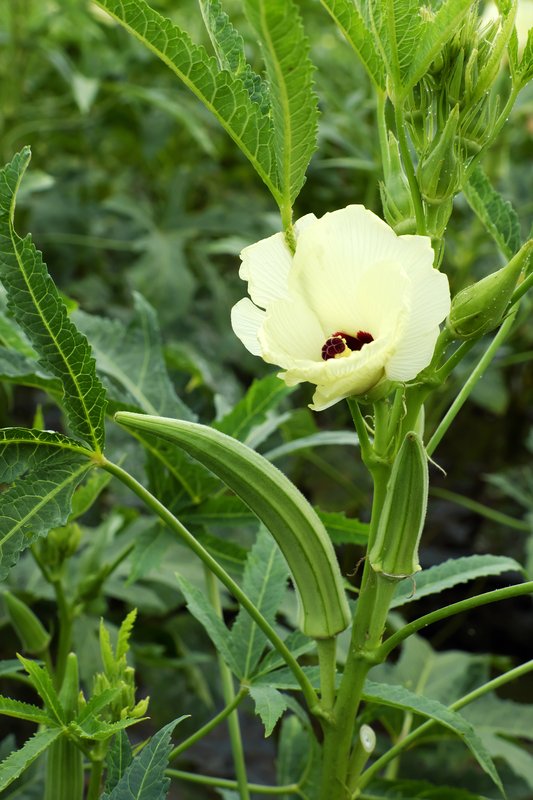
Description: Clemson Spineless is the most popular okra variety, known for smooth, spineless pods and high yields. Pods are tender and flavorful, typically harvested at 2–4 inches.
Growing Season: Spring, Summer, and Fall
USDA Planting Zone: 3–11
Special Notes: Heat-tolerant and productive. Excellent for frying, pickling, and soups. Matures in about 56–60 days.
Jing Orange
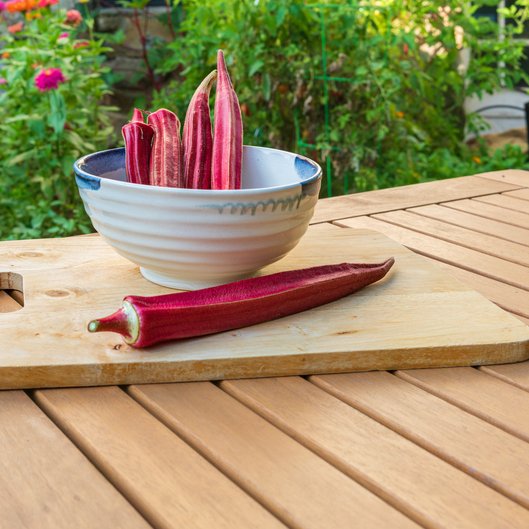
Description: Jing Orange is a striking variety with deep red-to-orange pods and green foliage. It has a tender texture and a mild, slightly sweet flavor.
Growing Season: Spring, Summer, and Fall
USDA Planting Zone: 3–11
Special Notes: Adds vivid color to the garden and dishes. Heat-tolerant and productive. Matures in about 60–65 days.
Red Burgundy
Heirloom

Description: Red Burgundy produces deep red pods and green leaves with red veins. Pods are tender with a mild okra flavor.
Growing Season: Spring, Summer, and Fall
USDA Planting Zone: 3–11
Special Notes: Great ornamental color (pods turn greener when cooked). Heat-tolerant and high-yielding. Matures in about 55–60 days.
Annie Oakley II

Description: Annie Oakley II is an early hybrid okra with spineless, dark green pods and strong yields on compact plants.
Growing Season: Spring, Summer, and Fall
USDA Planting Zone: 3–11
Special Notes: Good for smaller gardens and tight spacing. Matures in about 52–55 days.
Emerald
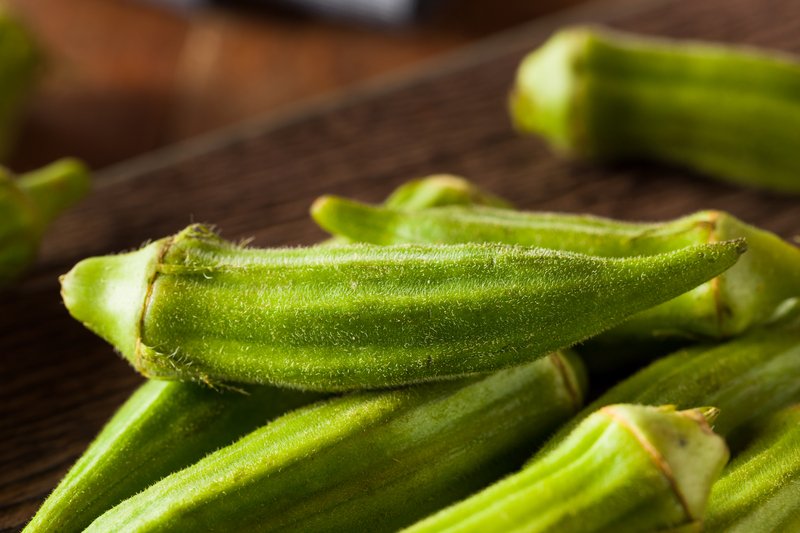
Description: Emerald produces dark green, smooth pods that stay tender when harvested young. Known for excellent flavor and steady yields.
Growing Season: Spring, Summer, and Fall
USDA Planting Zone: 3–11
Special Notes: Heat-tolerant and reliable in Florida summers. Matures in about 55–60 days.
Louisiana Green Velvet

Description: Louisiana Green Velvet is a traditional variety with larger, bright green pods and vigorous growth. Pods are tender and flavorful when harvested young.
Growing Season: Spring, Summer, and Fall
USDA Planting Zone: 3–11
Special Notes: Very productive in heat and humidity. Great for cooking, freezing, and preserving. Matures in about 55–60 days.
Florida Vegetable Planting Map
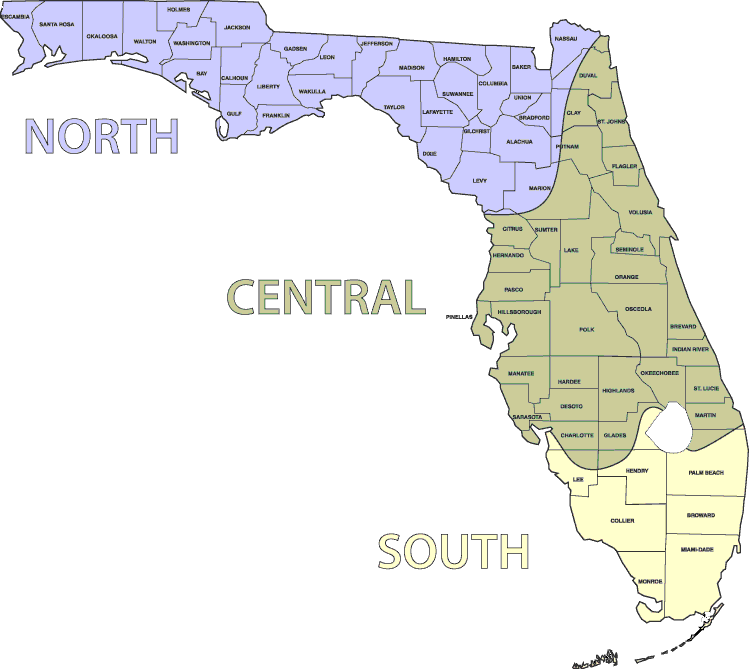
This guide provides information on when to start seeds inside, direct seed, and transplant starter plants in the different regions of Florida.
North USDA Planting Zones: 8b–9a
Central USDA Planting Zones: 9b & some of 10a
South USDA Planting Zones: 10a–11b
Visit the U.S. National Arboretum for an Exact USDA Planting Zone Map.
| Okra | North Florida | Central Florida | South Florida |
|---|---|---|---|
| Start Seeds Inside | Not recommended | Not recommended | Not recommended |
| Direct Seed | Mar–Jun | Feb–Aug | Jan–Mar & Aug–Oct |
| Transplant Starter Plants | Apr–Jun | Mar–Aug | Feb–Mar & Sep–Oct |
Planting Guide – Okra
Getting Started
Start Seeds Inside:
Starting okra seeds indoors is not recommended. Okra develops a sensitive taproot, and seedlings often stall after transplanting unless handled carefully.
Direct Seed:
Direct sow into warm soil for the fastest, most vigorous plants. For stronger germination, soak seeds in water for about 6 hours before planting.
Transplant Starter Plants:
If you do transplant, use biodegradable pots (or keep the root ball intact) and transplant only when nights are warm so plants establish quickly.
Okra loves heat. Once established, it handles Florida’s summer conditions well and can produce pods for an extended harvest. With full sun, warm soil, and frequent harvesting, okra can be one of the most productive summer vegetables in a Florida garden.
Soil, Sun, Water, and Spacing
Soil:
Okra prefers well-drained, fertile soil with a pH between 6.0 and 6.8. Compost improves moisture balance and supports steady growth.
Sun:
Full sun is essential for strong flowering and pod production. Aim for 6–8 hours of direct sunlight daily.
Watering:
Keep soil evenly moist while plants establish. Afterward, okra tolerates short dry spells, but consistent watering improves pod quality and yield.
Spacing:
Plant seeds 0.5–1 inch deep. Space plants 12–18 inches apart for larger varieties (or 8–12 inches for compact types) and keep rows about 36 inches apart for airflow and easy harvesting.
Harvesting and Additional Tips
Harvesting:
Okra is ready when pods are 2–4 inches long, often around 60–70 days from planting depending on variety and heat.
Harvest frequently (every 1–2 days in peak season) to keep plants producing.
How to Tell It’s Ready:
Pods should snap cleanly and feel firm but not woody. If pods resist snapping or feel fibrous, they were left too long.
Additional Tips:
- Wear gloves and long sleeves if your variety has irritating hairs on stems/pods.
- Pick often—leaving oversized pods on the plant slows new flower and pod production.
- In late season, pruning lower leaves can improve airflow and make harvesting easier.
Support:
Tall varieties may benefit from staking in windy areas. A simple stake or light support line can prevent stems from bending or snapping.
Fertilization, Care, and Common Problems
Fertilization (N–P–K Ratio):
Okra does well with balanced to slightly higher nitrogen early, then steady feeding during flowering. Options include 16-8-8 or 20-10-10.
When to Add:
Before Planting: Mix fertilizer into the bed before sowing/transplanting.
Mid-Growing Season: Reapply every 4–6 weeks during active growth and pod production.
Application Tips:
- Follow the directions on the fertilizer package to avoid over-fertilization and salt buildup.
- Apply around the base (not on stems/leaves) and water in well.
- Compost between feedings helps keep soil biology active and improves moisture-holding.
Pests and Diseases in Florida:
- Aphids: Cluster on new growth; can cause curling and sticky residue.
- Spider Mites: Stippling and webbing during hot, dry conditions.
- Flea Beetles: Small “shot holes” in young leaves.
- Root-Knot Nematodes: Root galls and stunting, worst in sandy/infested beds.
- Powdery Mildew: White coating on leaves during humid periods.
- Southern Blight: Wilting at soil line; remove affected plants promptly.
Blog post on Natural Fertilizers
Natural Pest Control
Companion Plants and Plants to Avoid
Companion Plants:
| Basil | Its aroma can help discourage aphids and some chewing pests while attracting pollinators to the garden. |
| Nasturtium | Works as a trap crop for aphids and helps draw pests away from okra; flowers also attract beneficial insects. |
| Marigold | Helps reduce nematode pressure and can discourage some insect pests near the root zone. |
| Dill | Attracts ladybugs, lacewings, and parasitic wasps that help control aphids and caterpillars. |
| Cilantro | When allowed to flower, it attracts beneficial insects that can help suppress pest populations. |
Plants to Avoid Nearby:
| Cucumbers | Can increase shared pest pressure (aphids, mites) in tighter spaces and complicate airflow management. |
| Melons | Heavy vines compete for space and moisture; overlapping foliage can increase humidity and disease pressure. |
| Potatoes | Heavy feeder and can complicate rotation planning; keeping them separate helps with bed management. |
| Eggplant | Shares some overlapping pest issues (aphids, flea beetles) and competes for similar nutrients and sunlight. |