Eggplant
Eggplants, with their glossy, deep purple fruits and striking green foliage, bring a touch of exotic beauty to any garden. These plants are known for their vibrant and uniquely shaped fruits, which can vary from the traditional teardrop form to slender, elongated varieties. Their large, slightly spiny leaves and delicate purple flowers add to the overall allure, making eggplants a captivating addition to garden beds or containers.
In Florida planting zone 9, eggplants thrive in the warm climate, producing an abundant harvest throughout the growing season. The fruits develop into rich, dark purple hues that stand out against the green backdrop of the leaves. Watching these striking fruits grow and mature is a delightful experience, marking the success of your gardening efforts.
For those new to gardening, eggplants are a rewarding choice. They are relatively easy to grow and offer a versatile ingredient for the kitchen. Whether you enjoy them grilled, roasted, or in a variety of dishes, eggplants bring a delicious and nutritious addition to your meals, making your gardening endeavors both enjoyable and fruitful.
Ocala Food Forest participates in affiliate programs that help support our educational and community projects. When you purchase through the links provided on our site, we may receive a small commission at no additional cost to you. This support allows us to keep the site free to access and continue researching what grows best in Central Florida’s Zone 9 climate. We only recommend products and resources we have personally tested and trust.
The vegetables listed on this page are not the only ones that can thrive in this region of Florida, but they represent the top recommended varieties for optimal growth and success in local conditions.
Eggplant Varieties:
Black Beauty
Heirloom


Description: Black Beauty is a classic eggplant variety known for its large, glossy, deep purple fruits and rich flavor. It produces high yields and is a popular choice for home gardens.
Growing Season: Spring, Summer, and Fall
USDA Planting Zone: 4–10
Special Notes: Heat-tolerant and performs well in warm climates. Ideal for grilling, roasting, and making eggplant dishes like ratatouille and eggplant Parmesan.
Ichiban
Hybrid
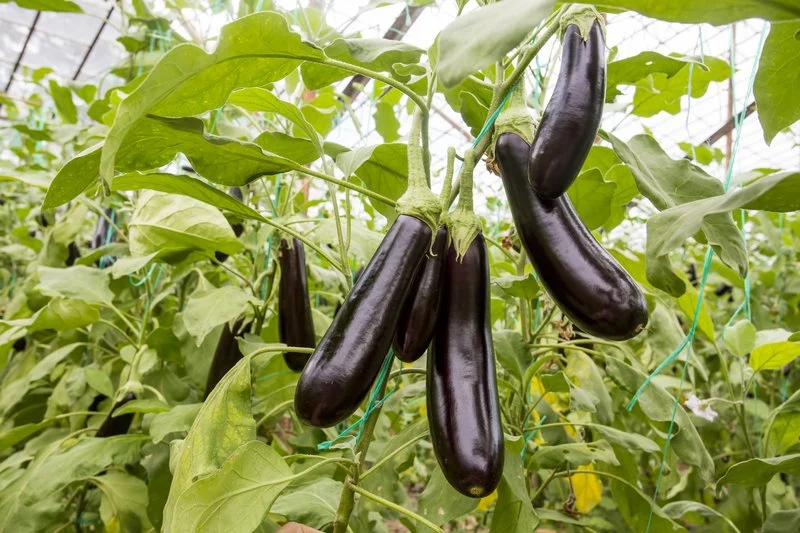
Description: Ichiban is a Japanese eggplant variety that produces long, slender, dark purple fruits. It has a tender texture and mild, sweet flavor.
Growing Season: Spring, Summer, and Fall
USDA Planting Zone: 4–10
Special Notes: Fast-maturing and highly productive. Perfect for stir-fries, grilling, and Asian cuisine.
Fairy Tale
Hybrid

Description: Fairy Tale is a compact, dwarf variety that produces small, elongated, lavender fruits with white stripes. The fruits are sweet and tender.
Growing Season: Spring, Summer, and Fall
USDA Planting Zone: 4–10
Special Notes: Ideal for container gardening and small spaces. Great for grilling, roasting, and pickling.
Rosa Bianca
Heirloom

Description: Rosa Bianca is an Italian heirloom variety known for its beautiful, round, lavender fruits with white streaks. It has a creamy texture and mild flavor.
Growing Season: Spring, Summer, and Fall
USDA Planting Zone: 5–10
Special Notes: Less bitter than other varieties. Excellent for grilling, roasting, and baking.
Ping-Tung Long
Heirloom

Description: Ping-Tung Long is a Taiwanese eggplant variety that produces long, slender, dark purple fruits. It has a mild flavor and tender texture.
Growing Season: Spring, Summer, and Fall
USDA Planting Zone: 4–10
Special Notes: Highly resistant to disease and heat. Ideal for stir-fries, grilling, and Asian dishes.
Florida Vegetable Planting Guide
This guide provides information on when to start seeds inside, direct seed, and transplant starter plants in the different regions of Florida.
North USDA Planting Zones: 8b-9a
Central USDA Planting Zones: 9b & some of 10a
South USDA Planting Zones: 10a-11b
Visit the U.S. National Arboretum for an Exact USDA Planting Zone Map.
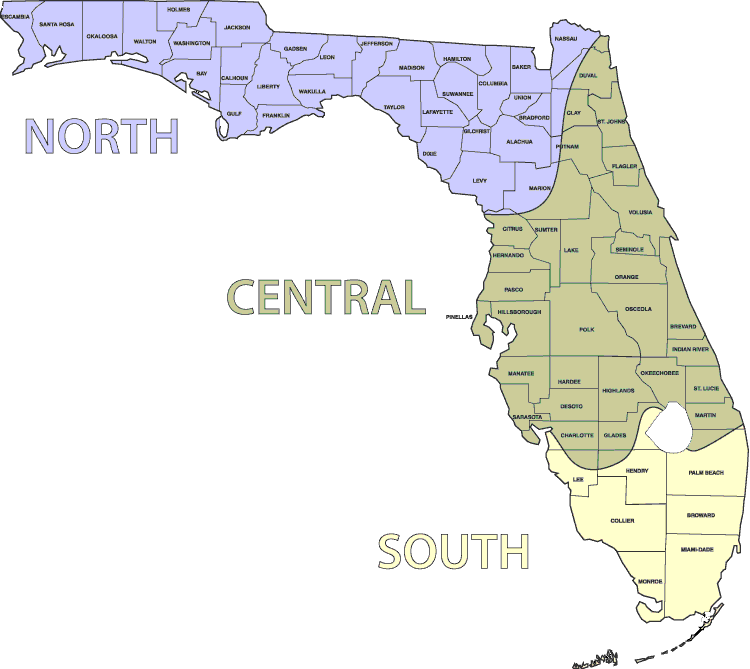
| Eggplant | North Florida | Central Florida | South Florida |
|---|---|---|---|
| Start Seeds Inside | Dec–Jan / Jun–Jul | Nov–Dec / Jun–Jul | Jun–Dec |
| Direct Seed | Not recommended | Not recommended | Not recommended |
| Transplant Starter Plants | Feb–Apr / Aug–Sep | Jan–Mar / Aug–Sep | Aug–Feb |
Planting Guide – Eggplant
Getting Started
Start Seeds Inside:
Starting eggplant seeds indoors allows you to build strong seedlings before outdoor conditions are consistently warm.
This is especially useful when you want plants ready to transplant as soon as nighttime temperatures stabilize.
Direct Seed:
Direct seeding is generally not recommended for eggplant because germination and early growth require reliably warm soil.
Slow starts can delay flowering and reduce harvests.
Transplant Starter Plants:
Transplanting starter plants gives eggplant the head start it needs in Florida’s heat. Transplants establish faster and
produce earlier than direct-seeded plants.
Eggplant thrives in heat and full sun. Some varieties benefit from staking or cages once fruits begin to size up. Bitter fruit is often linked to drought stress, inconsistent watering, or plants being pushed by extreme heat.
Soil, Sun, Water, and Spacing
Soil:
Eggplants prefer well-drained, fertile soil with a pH between 6.0 and 7.0. Work compost into the bed
before planting to improve fertility and moisture-holding capacity.
Sun:
Full sun is essential for strong growth and fruit production. Aim for 6–8 hours of direct sunlight daily.
Watering:
Keep soil consistently moist but not waterlogged. Mulch helps reduce moisture swings, suppress weeds, and keeps roots cooler
during hot stretches.
Spacing:
Space plants 18–30 inches apart (larger types toward the wider end). Space rows about 36 inches apart
for airflow and access. Crowding increases pest and disease pressure.
Harvesting and Additional Tips
Harvesting:
Eggplant is typically ready 60–90 days after transplanting (variety-dependent). Harvest when fruits are
glossy and firm, and the skin springs back slightly when pressed. Overmature fruit turns dull, develops tougher seeds,
and can taste bitter. Cut fruits with pruners or a knife, leaving a short stem attached—pulling can break branches.
Additional Tips:
- Harvest regularly to keep plants producing; letting fruits over-ripen slows new set.
- Stake or cage taller/heavier-fruiting varieties to prevent branches from snapping.
- Mulch and consistent watering help reduce bitterness and blossom-end issues.
- Check the undersides of leaves for pests; early control prevents big outbreaks.
Fertilization, Care, and Problems
Fertilization (N–P–K Ratio):
Eggplants do well with a balanced program that supports both steady growth and fruiting.
A common approach is a balanced fertilizer early, then a fruiting-leaning blend as flowers set.
Example options include 10-10-10 (general) or 5-10-10 (fruiting support).
When to Add:
Before Planting: Mix compost and a balanced fertilizer into the bed before transplanting.
Mid-Growing Season: Reapply every 4–6 weeks during active growth, especially once flowering begins.
Application Tips:
- Follow the directions on the fertilizer package to avoid over-fertilization.
- Apply around the drip line (not directly against the stem) and water in well.
- Too much nitrogen can create lush leaves with fewer fruits—use balanced amounts.
- Mulch and consistent irrigation improve nutrient uptake and reduce stress.
Support:
Stake or cage plants as fruit loads increase. Keeping fruits off the soil improves quality and reduces rot.
Pests and Diseases that affect Eggplants in Florida:
- Aphids: Cause curled leaves and sticky residue; can spread viruses.
- Flea Beetles: Create “shot holes” in leaves; most damaging to young plants.
- Spider Mites: Stippling and bronzing, especially in hot/dry conditions.
- Whiteflies: Sap-feeders that cause yellowing and can transmit disease.
- Verticillium Wilt: Yellowing/wilting; rotate crops and avoid planting in infected beds.
- Powdery Mildew: White coating on leaves; improve airflow and avoid overhead watering late day.
Blog post on Natural Fertilizers
Natural Pest Control
Companion Plants and Plants to Avoid
Companion Plants:
| Marigold | Releases compounds that deter nematodes and can reduce pressure from aphids, whiteflies, and other soft-bodied pests near eggplants. |
| Basil | Strong scent can confuse pests; attracts pollinators and beneficial insects that help keep aphids and other pests in check. |
| Thyme | Aromatic groundcover that can discourage flea beetles and supports beneficial insects with its small flowers. |
| Nasturtium | Trap crop for aphids and some beetles; also draws beneficial predators that help protect eggplants. |
| Oregano | Spreading herb that helps suppress weeds and can repel some pests; flowers attract beneficial insects. |
Plants to Avoid Nearby:
| Fennel | Often suppresses nearby plants and can inhibit growth—best grown in its own area. |
| Corn | Can compete for nutrients and water and may increase pest pressure depending on your garden layout. |
| Kohlrabi | Competes for space and resources; better kept separate in crop planning and rotations. |
| Tomatoes | Same family as eggplant and can share pests/diseases; keep separated and rotate beds to reduce buildup. |