Celery
Celery, with its crisp, green stalks and aromatic leaves, brings a refreshing and vibrant touch to any garden. This cool-season vegetable is known for its slender, ribbed stems that add both texture and flavor to a variety of dishes. Its upright growth and lush foliage make celery an attractive addition to garden beds or containers.
In Florida planting zone 9, celery grows well, especially during the cooler months. The stalks form into tight, cohesive bunches, ready to be harvested when they reach their peak size and crunchiness. Watching these sturdy plants develop is a rewarding experience, marking the success of your gardening efforts.
For those new to gardening, celery is a rewarding plant to cultivate. It’s not only visually appealing but also highly nutritious and versatile in the kitchen. Whether you enjoy it in salads, soups, or as a crunchy snack, celery brings a fresh and healthy addition to your meals, making your gardening endeavors both productive and enjoyable.
Ocala Food Forest participates in affiliate programs that help support our educational and community projects. When you purchase through the links provided on our site, we may receive a small commission at no additional cost to you. This support allows us to keep the site free to access and continue researching what grows best in Central Florida’s Zone 9 climate. We only recommend products and resources we have personally tested and trust.
The vegetables listed on this page are not the only ones that can thrive in this region of Florida, but they represent the top recommended varieties for optimal growth and success in local conditions.
Celery Varieties:
Tango
Hybrid

Description: Tango celery is a hybrid variety known for its exceptional flavor, tenderness, and resistance to bolting. It has smooth, crisp stalks ideal for fresh eating and cooking.
Growing Season: Fall and Winter
USDA Planting Zone: 3–10
Special Notes: Highly adaptable to various growing conditions and resistant to common diseases.
Conquistador
Hybrid
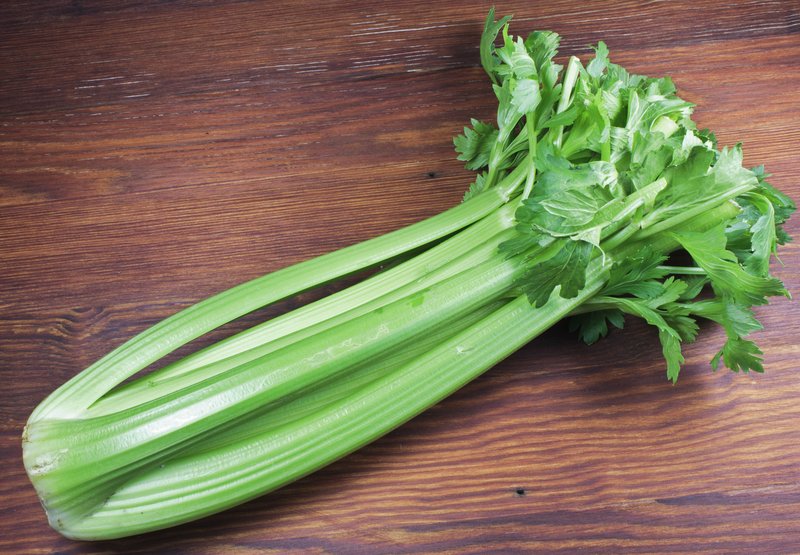
Description: Conquistador is an early-maturing celery variety that produces tender, succulent stalks with excellent flavor and high yields.
Growing Season: Fall and Winter
USDA Planting Zone: 4–10
Special Notes: Tolerates heat well and has good disease resistance, making it an excellent choice for warmer climates.
Golden Self-Blanching
Heirloom

Description: Golden Self-Blanching is an heirloom variety that produces pale green to yellow stalks with a sweet, mild flavor and requires little to no blanching.
Growing Season: Fall and Winter
USDA Planting Zone: 3–10
Special Notes: Prefers cooler temperatures but can tolerate some heat. A good choice for a traditional celery flavor.
Giant Pascal
Heirloom
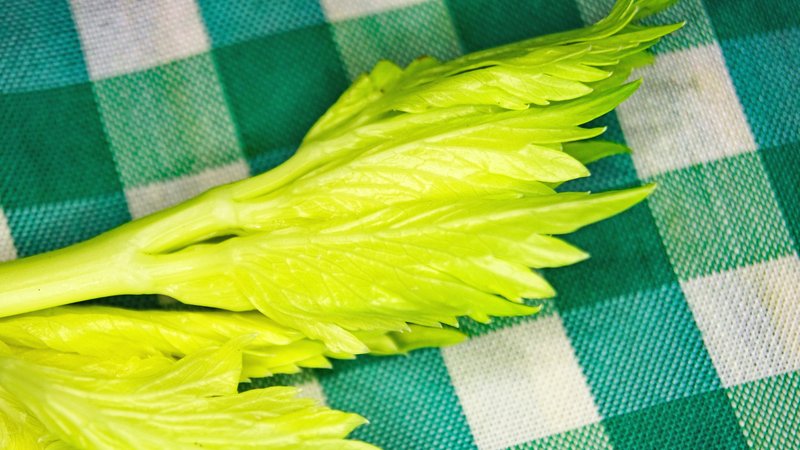
Description: Giant Pascal is a traditional variety known for its large, thick stalks and robust flavor, excellent for both fresh eating and cooking.
Growing Season: Fall and Winter
USDA Planting Zone: 3–9
Special Notes: Requires a longer growing season and is best planted in fall for a winter harvest. It has good storage qualities.
Nan Ling
Heirloom

Description: Nan Ling, also known as Chinese celery, has thin, aromatic stalks and a strong, distinctive flavor often used in Asian cuisine.
Growing Season: Fall and Winter
USDA Planting Zone: 3–10
Special Notes: More heat-tolerant than many traditional celery varieties. Ideal for soups, stir-fries, and dishes needing a bold celery note.
Florida Vegetable Planting Guide
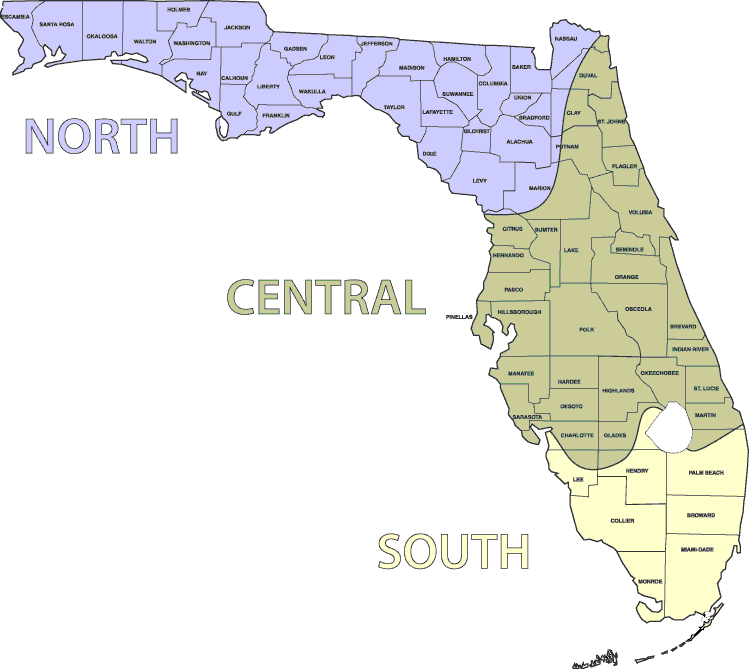
This guide provides information on when to start seeds inside, direct seed, and transplant starter plants in the different regions of Florida.
North USDA Planting Zones: 8b-9a
Central USDA Planting Zones: 9b & some of 10a
South USDA Planting Zones: 10a-11b
Visit the U.S. National Arboretum for an Exact USDA Planting Zone Map.
| Celery | North Florida | Central Florida | South Florida |
|---|---|---|---|
| Start Seeds Inside | Jul-Jan | Aug-Feb | Sep-Feb |
| Direct Seed | Not recommended | Not recommended | Not recommended |
| Transplant Starter Plants | Aug-Feb | Sep-Mar | Oct-Mar |
Planting Guide – Celery
Getting Started
Start Seeds Inside:
Starting celery seeds indoors in the summer allows for controlled conditions to ensure proper
germination and strong seedlings that will be ready for transplanting in the fall.
Direct Seed:
Direct seeding is not recommended for celery due to its long germination period and the need for
consistent moisture and temperature control.
Transplant Starter Plants:
Transplanting celery starter plants during the cooler months helps them establish quickly and
take advantage of the milder weather, leading to healthy growth and development.
Soil, Sun, Water, and Spacing
Soil:
Celery prefers well-drained, fertile soil with a pH between 6.0 and 7.0. Amend
the soil with compost or well-rotted manure to improve fertility and structure.
Sun:
Full sun is ideal, but celery can tolerate partial shade, especially in warmer climates.
Watering:
Keep the soil consistently moist but not waterlogged. Mulching helps retain soil moisture and
regulate temperature.
Spacing:
Plant seedlings about 6–12 inches apart in rows spaced 18–24 inches apart to allow adequate air
circulation and room for growth.
Harvesting and Additional Tips
Harvesting:
Celery is ready to harvest when stalks are firm and about 8–10 inches tall,
typically 75–90 days after planting. Cut the entire plant at the base, or harvest
outer stalks first for a longer picking window.
Additional Tips:
- Keep soil moisture steady; uneven watering can cause stringy stalks and bitter flavor.
- Mulch helps hold moisture and keeps roots cooler during warm spells.
- Side-dress with compost during the season for steady, gentle nutrition.
- If stalks taste strong, harvest younger outer stalks and keep plants growing for later cuts.
Fertilization, Care, and Problems
Fertilization (N–P–K Ratio):
Celery benefits from a balanced fertilizer with a higher nitrogen content to support leafy growth,
such as 16-16-8 or 12-4-8.
When to Add:
Before Planting: Apply the balanced fertilizer to the soil before
planting seeds or transplants to promote strong initial growth.
Mid-Growing Season: Reapply the fertilizer every 3–4 weeks during
the growing season to support continued growth.
Application Tips:
- Follow the directions on the fertilizer package to avoid over-fertilization.
- Apply fertilizer evenly around the base of the plants and water thoroughly so nutrients reach the roots.
Pests and Diseases in Florida:
- Aphids: Small insects that suck sap from leaves and stems, causing curling and yellowing.
- Carrot Rust Flies: Larvae that feed on roots, causing tunneling and rot.
- Celery Leaf Miners: Larvae that burrow into leaves, creating winding trails and reducing vigor.
- Flea Beetles: Tiny beetles that chew small holes in leaves, giving foliage a “shot hole” appearance.
- Early Blight: Fungal disease that causes brown spots on leaves.
- Powdery Mildew: Fungal disease that creates a white, powdery coating on leaves.
Blog post on Natural Fertilizers
Natural Pest Control
Companion Plants and Plants to Avoid
Companion Plants:
| Marigold | Bright flowers that release root exudates deterring nematodes and other soil-borne pests, while helping repel aphids, carrot rust flies, and other pests around celery. |
| Leeks | Mild alliums whose strong scent helps repel carrot rust flies and other pests; they also help improve soil structure and nutrient availability when interplanted. |
| Dill | Feathery herb that attracts ladybugs and predatory wasps which prey on aphids, flea beetles, and celery leaf miners, while supporting overall plant vigor. |
| Nasturtium | Acts as a trap crop, luring aphids and flea beetles away from celery. Flowers also attract beneficial insects that help keep pest populations in check. |
| Chamomile | Daisy-like herb that brings in hoverflies and parasitic wasps and offers mild antifungal benefits, helping reduce issues such as early blight and powdery mildew. |
Plants to Avoid Nearby:
| Corn | Competes strongly for nutrients and water and can shade out celery, reducing stalk quality and yield. |
| Carrots | Attract similar pests and compete for nutrients in the same root zone, increasing pressure on celery plants. |
| Parsnips | Share many of the same pests and diseases as celery, increasing the risk of problems when grown side by side. |
| Potatoes | Compete for nutrients and can attract pests and diseases that may spread to celery, especially in small beds. |