Sweet Goldenrod (Solidago odora)
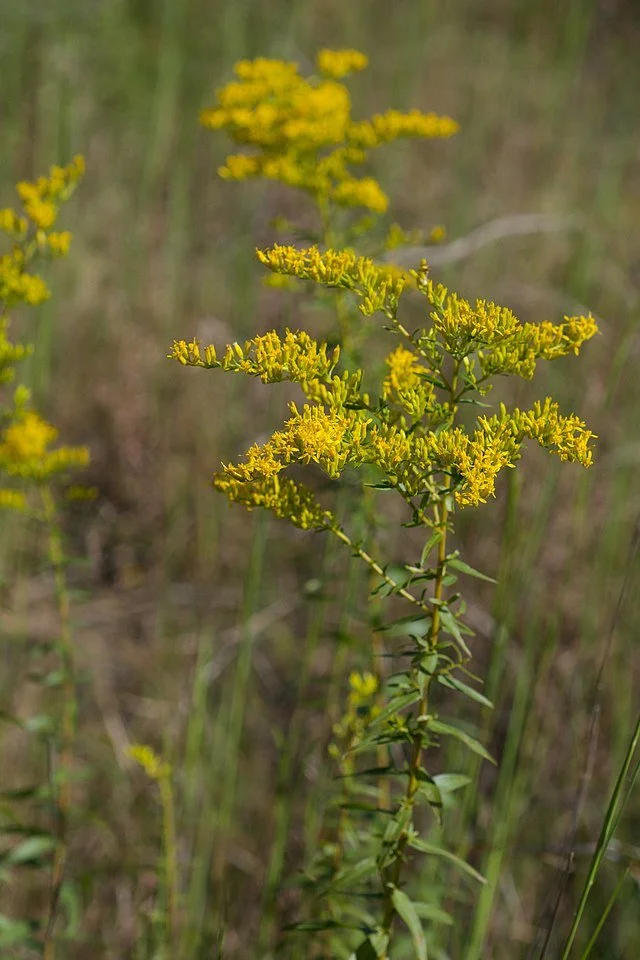
Imagine a burst of radiant yellow flowers that not only captivate the eye but also enchant the nose with a sweet, licorice-like aroma. This is the charm of Solidago odora, more commonly known as Sweet Goldenrod, a native gem from the eastern United States and Canada. Its towering spires of tiny, star-shaped flowers light up any garden from late summer to early fall, creating a spectacle of golden hues that can transform the simplest of landscapes into a painter's canvas.
Sweet Goldenrod is more than just a visual treat; it's a sensory experience. As you walk through your garden, the distinctive anise-scented fragrance released by its leaves when crushed or brushed against adds a layer of aromatic delight, making it a favorite among gardeners looking to add both beauty and fragrance to their outdoor spaces. The plant's ability to thrive with minimal fuss makes it an ideal choice for both seasoned gardeners and beginners looking to bring a touch of wild elegance to their garden retreats.
Tip: Plant Sweet Goldenrod where you’ll brush past it—its leaves release their signature aroma when lightly handled.
Any reference to medicinal or culinary use of plants or plant parts should in no way be considered an endorsement by The Ocala Food Forest or its staff. Research is crucial in safe and proper consumption or experimentational use of any plant.
Plant Information
| Scientific Name: | Solidago odora |
|---|---|
| Family Name: | Asteraceae (Aster family) |
| Common Name(s): | Sweet Goldenrod, Anise-scented Goldenrod |
| Size: | Typically grows 2 to 4 feet tall |
| Plant Type: | Perennial herb |
| Origin/Geographic Distribution: | Native to the eastern United States |
| Native to: | Found from Maine to Florida, west to Texas and north to Minnesota |
| Planted range in the USA: | Widely cultivated in gardens and natural areas across its native range |
| Conservation Status: | Not listed as threatened or endangered |
Cultivation
| Planting: | Best planted in early spring or fall |
|---|---|
| Sun Exposure: | Full sun to partial shade |
| Soil Type: | Adaptable to a variety of soils, prefers well-drained soil |
| Soil pH: | 6.0 to 7.2 (slightly acidic to neutral) |
| Water Requirements: | Drought tolerant once established, but performs best with regular watering |
| Fertilizer Requirements: | Does not require frequent fertilization; a light application of a balanced fertilizer in spring can boost growth. |
| Pruning Requirements: | Deadhead spent flowers to encourage more blooms and help limit excessive self-seeding |
| Growth Rate: | Fast |
| Companion Planting: | Complements other late-blooming perennials like asters and coneflowers; excellent for boosting pollinator traffic late in the season |
Tolerance and Hardiness
| Drought Tolerance: | High; well-suited for xeriscaping or dry environments |
|---|---|
| Frost Tolerance: | Good; can tolerate frosts down to about -10°F to -20°F (-23°C to -29°C) |
| Heat Tolerance: | Excellent; can handle temperatures up to about 90°F (32°C) to 100°F (38°C) |
| Wind Tolerance: | Moderate |
| Salt Tolerance: | Moderate; suitable for planting in coastal areas away from direct salt spray |
| USDA Plant Hardiness Zones: | 4-9 |
Flower and Fruit Information
| Fruit Type: | Produces small, non-edible seeds |
|---|---|
| Harvest Time: | Not typically harvested; seeds mature in late fall |
| Fruit Description: | Tiny, dry, and carried by the wind |
| Edible Plant: | No, the plant is not cultivated for edible purposes |
| Edible Parts: | N/A |
| Medicinal: | Traditionally used for its anti-inflammatory properties |
| Flower Color: | Bright yellow |
| Flower Shape: | Small, clustered spikes |
| Fragrance: | Anise-scented when crushed |
| Flower Bloom Time: | Late summer to early fall |
| Bloom Duration: | Lasts several weeks, providing a prolonged display of color |
| Pollination: Self or Other? | Attracts a variety of pollinators, including bees and butterflies |
Wildlife
| Attracts: | Bees, butterflies, and other pollinators are drawn to the vibrant yellow flowers |
|---|---|
| Pollinators: | Bees and butterflies are key pollinators for Solidago odora |
| Problematic Pest: | Generally pest-resistant; occasionally may attract aphids. |
Health and Safety
| Toxic: | No, Solidago odora is not toxic and is safe around children and pets |
|---|---|
| Poisonous Parts of Plant: | None |
| Toxic to Humans: | Not toxic |
| Toxic to Animals: | Non-toxic; safe for pets and wildlife |
| Plant Diseases to be aware of: | Can be susceptible to rust and fungal diseases in humid conditions; ensure good air circulation |
Companion Planting
For Solidago odora (Sweet Goldenrod), companion planting works best when you pair it with other sun-loving, late-season bloomers and structural plants that keep pollinators working your garden from summer into fall—without crowding airflow around the goldenrod clumps.
Asclepias tuberosa (Butterfly Weed)
Benefits: Strong butterfly support (including monarchs) and excellent nectar value; pairs well in sunny, well-drained beds.
Use:
- Plant in nearby clumps to build a pollinator corridor.
- Use as an earlier-season partner before goldenrod peaks.
Rudbeckia hirta (Black-eyed Susan)
Benefits: Bright blooms attract a wide range of pollinators and visually “echo” goldenrod’s yellow tones.
Use:
- Plant as a border/backdrop for layered height.
- Mix through naturalized beds for a meadow look.
Echinacea purpurea (Purple Coneflower)
Benefits: Excellent nectar plant; adds color contrast and supports beneficial insects.
Use:
- Interplant in drifts to extend the bloom window.
- Leave seed heads later for birds if desired.
Lantana camara (Lantana)
Benefits: Long bloom period and strong butterfly draw, keeping pollinators active as goldenrod comes into peak flower.
Use:
- Plant on bed edges for continuous color.
- Keep spacing so it doesn’t shade goldenrod crowns.
Salvia spp. (Sage)
Benefits: Nectar-rich spikes attract bees and butterflies and complement goldenrod’s upright form.
Use:
- Use in repeated clumps to create rhythm in borders.
- Choose a species/cultivar suited to your site’s sun and drainage.
Gaillardia pulchella (Blanket Flower)
Benefits: Drought tolerant and bright, warm colors; helps fill sunny areas with steady pollinator activity.
Use:
- Plant in front of goldenrod for a layered, low-to-tall gradient.
- Excellent for low-maintenance meadow-style beds.