Sunshine Mimosa (Mimosa strigillosa)
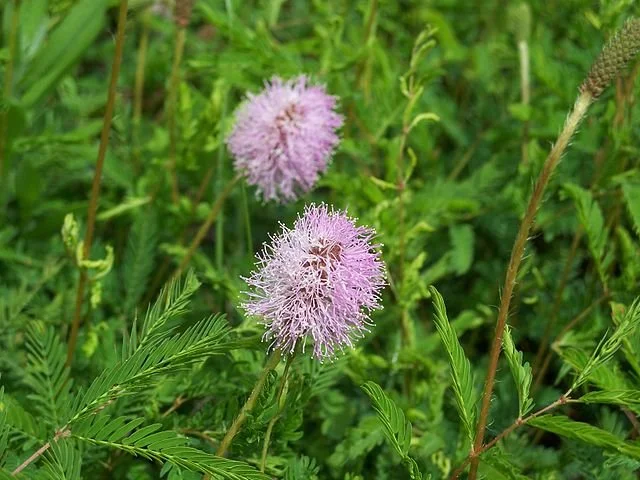
Imagine introducing a burst of vibrant color and unique texture to your garden with Sunshine Mimosa, a plant that is as delightful as it sounds. Known scientifically as Mimosa strigillosa, this ground-covering marvel transforms any garden space with its fluffy, pink powderpuff blooms that seem to dance atop fern-like, delicate green foliage.
Sunshine Mimosa is not just about looks; its presence in a garden brings a touch of whimsy and an almost magical quality. Each flower is a small spherical cluster, resembling tiny, soft pom-poms perched gracefully on the ends of branching stems. When in full bloom, the plant creates a stunning visual carpet of pink and green that's both eye-catching and soothing. The effect is especially striking in the morning light or after a rain, when each tiny leaf seems to sparkle with captured moisture.
This plant is a joy not only for its beauty but also for the lively atmosphere it brings, attracting butterflies and bees which add an extra layer of life to its surroundings. Picture these pollinators, drawn by the allure of Sunshine Mimosa, flitting from flower to flower in a quiet buzz of activity. This addition to your garden isn't just a visual treat; it's a dynamic interaction of flora and fauna.
Tip: Sunshine Mimosa is also valued as a living groundcover that can help fill open spaces while supporting pollinators.
Any reference to medicinal or culinary use of plants or plant parts should in no way be considered an endorsement by The Ocala Food Forest or its staff. Research is crucial in safe and proper consumption or experimentational use of any plant.
Plant Information
| Scientific Name: | Mimosa strigillosa |
|---|---|
| Family Name: | Fabaceae (Legume family) |
| Common Name(s): | Sunshine Mimosa, Powderpuff |
| Size: | Spreads 2 to 4 feet with a ground-hugging habit of about 6 inches in height. |
| Plant Type: | Perennial groundcover |
| Origin/Geographic Distribution: | Native to the southeastern United States. |
| Native to: | Florida and other parts of the Southeastern U.S. |
| Planted range in the USA: | Commonly found and planted in Florida, Georgia, Alabama, and parts of Texas. |
| Conservation Status: | Not listed as threatened or endangered |
Cultivation
| Planting: | Best planted in spring to early summer. |
|---|---|
| Sun Exposure: | Full sun to partial shade |
| Soil Type: | Well-drained, can tolerate a variety of soil types, including sandy and clay. |
| Soil pH: | 5.5 to 7.0 (slightly acidic to neutral) |
| Water Requirements: | Drought tolerant once established but performs best with regular watering |
| Fertilizer Requirements: | Low; benefits from a light application of a balanced, slow-release fertilizer at the beginning of the growing season. |
| Pruning Requirements: | Minimal; trim back as needed to control spread. |
| Growth Rate: | Fast |
| Companion Planting: | Works well with other drought-tolerant natives such as Gaillardia and Coreopsis for a vibrant, low-maintenance landscape. |
Tolerance and Hardiness
| Drought Tolerance: | High; well-suited to xeriscaping |
|---|---|
| Frost Tolerance: | Can handle light frosts; tolerates down to about 20°F (-6°C) |
| Heat Tolerance: | Excellent; can handle temperatures up to about 100°F (38°C) |
| Wind Tolerance: | Moderate; some protection may be needed in very windy locations. |
| Salt Tolerance: | Moderate; suitable for planting in coastal areas away from direct salt spray. |
| USDA Plant Hardiness Zones: | 8-11 |
Flower and Fruit Information
| Fruit Type: | Produces small legume pods |
|---|---|
| Harvest Time: | Not typically harvested; pods are more ornamental |
| Fruit Description: | Small, brown, and inconspicuous |
| Edible Plant: | No |
| Edible Parts: | N/A |
| Medicinal: | Yes |
| Flower Color: | Pink to rose-colored, with fluffy, powderpuff-like appearances. |
| Flower Shape: | Globular clusters |
| Fragrance: | Lightly fragrant, attracting pollinators. |
| Flower Bloom Time: | Spring through summer |
| Bloom Duration: | Continuous blooming throughout the warm months. |
| Pollination: Self or Other? | Self-Pollinates, bees and butterflies will aid in pollination. |
Wildlife
| Attracts: | Bees, butterflies, and other pollinators are drawn to the vibrant flowers. |
|---|---|
| Pollinators: | Bees and butterflies are key pollinators for Mimosa strigillosa. |
| Problematic Pest: | Generally pest-resistant; occasionally may attract aphids. |
Health and Safety
| Toxic: | No, Mimosa strigillosa is not toxic and is safe around children and pets. |
|---|---|
| Poisonous Parts of Plant: | None |
| Toxic to Humans: | Not toxic |
| Toxic to Animals: | Non-toxic; safe for pets and wildlife |
| Plant Diseases to be aware of: | Rare; however, it can occasionally be susceptible to fungal diseases such as leaf spot fungus & powdery mildew in overly moist conditions. |
Companion Planting
For Mimosa strigillosa (Sunshine Mimosa), companion planting works best when you pair it with plants that share similar sun and drainage needs, add height and seasonal color, and boost pollinator traffic—without shading the groundcover too heavily.
Gaillardia pulchella (Blanket Flower)
Benefits: Drought-tolerant bursts of red/yellow blooms attract pollinators and add strong color contrast.
Use:
- Plant in sunny pockets near the edge of the mimosa mat.
- Creates a vibrant, low-water flower-and-groundcover pairing.
Sabal minor (Dwarf Palmetto)
Benefits: Adds vertical structure and habitat value while contrasting beautifully with the low, ferny foliage.
Use:
- Use as a background anchor or island “feature” behind the groundcover.
- Helps layer the bed without competing in the same soil zone.
Rudbeckia hirta (Black-eyed Susan)
Benefits: Tall golden flowers add seasonal height and attract a wide range of pollinators.
Use:
- Plant as a border backdrop to frame the mimosa carpet.
- Pairs well for long warm-season interest.
Lantana camara (Lantana)
Benefits: Drought tolerant, heavy bloomer, and a strong butterfly magnet for active pollinator zones.
Use:
- Plant on outer edges where it can bloom freely without smothering the mimosa.
- Use to keep color going when mimosa bloom is lighter.
Stachytarpheta jamaicensis (Blue Porterweed)
Benefits: Brings hummingbirds and butterflies; adds strong blue contrast to pink blooms.
Use:
- Plant in a nearby strip or clump for continuous nectar.
- Use as a height accent without heavy shade.
Muhlenbergia capillaris (Pink Muhly Grass)
Benefits: Airy texture and fall plumes provide a seasonal “backdrop” and visual softness.
Use:
- Plant behind the mimosa area for layered texture.
- Excellent for extending seasonal interest into fall.