Stokes Aster (Stokesia laevis)
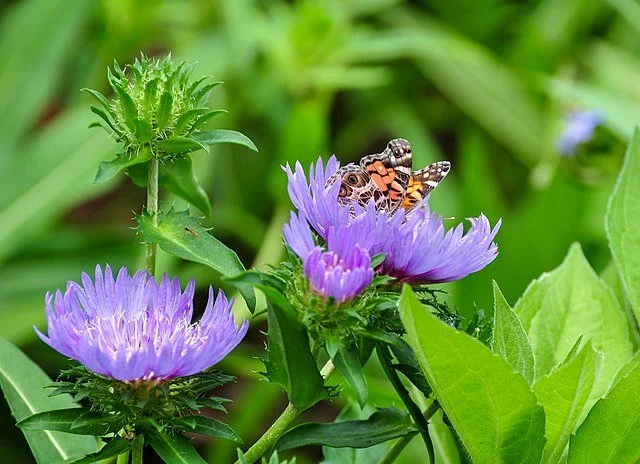
Stokesia laevis, commonly known as the Stokes' Aster or Stokes' Daisy, is a perennial herbaceous flowering plant native to North America. It is in the family Asteraceae and has been around since at least 1790. This beautiful flower has become popular among gardeners due to its unique shape and long-lasting blooms. Let's take a closer look at this amazing species.
All in all, Stokes' Asters are truly magnificent plants that add beauty and life to any garden setting! Their unique colors and easy care requirements make them perfect for gardeners of any skill level looking to add some color into their outdoor space while still maintaining minimal upkeep throughout their growing season. With proper care and maintenance these beautiful plants can produce amazing blooms year after year with little effort on your part! If you're looking for an eye-catching addition to your garden this spring, then consider adding some Stokes' Asters into your flower beds – you won't regret it!
This page is for educational purposes. Always confirm plant identity and site conditions before planting.
Any reference to medicinal or culinary use of plants or plant parts should in no way be considered an endorsement by The Ocala Food Forest or its staff. Research is crucial in safe and proper consumption or experimentational use of any plant.
Plant Information
| Scientific Name: | Stokesia laevis |
|---|---|
| Family Name: | Asteraceae |
| Common Name(s): | Aster, Stokes Aster, Cornflower Aster |
| Size: | Generally 12 to 24 inches tall; spreads around 12 to 18 inches |
| Plant Type: | Perennial Wildflower |
| Origin/Geographic Distribution: | Natural distribution primarily spans from South Carolina to Florida, and west to Louisiana; thrives in humid, warm conditions. |
| Native to: | Native to the Southeastern United States |
| Conservation Status: | Not listed as endangered or threatened |
Cultivation
| Planting: |
Plant in spring after frost risk has passed or in early fall so roots can establish. Space 12 to 18 inches apart for mature spread and airflow (helps reduce disease). |
|---|---|
| Sun Exposure: | Full sun to partial shade; 6+ hours direct sun is ideal for prolific blooming |
| Soil Type: | Well-drained soil; tolerates many soils but performs best in slightly acidic to neutral conditions. Avoid poorly drained or overly wet soils (root rot risk). |
| Soil pH: | Typically 5.5 to 6.5 |
| Water Requirements: | Water well after planting; water regularly during the first season to establish a deep root system |
| Fertilizer Requirements: | Feed in early spring with a balanced, slow-release fertilizer to support growth and blooming |
| Pruning Requirements: | Remove spent blooms to encourage more flowering and reduce unwanted self-seeding |
| Growth Rate: | Moderate |
Tolerance and Hardiness
| Drought Tolerance: | Good once established |
|---|---|
| Frost Tolerance: |
Good; extended extreme cold without protective mulch/snow can damage exposed foliage or buds, but roots
typically resprout in spring. Can survive down to about -15°F (-26°C). |
| Heat Tolerance: | Tolerant of heat; performs best when daytime temperatures are generally below 90°F (32°C), but can handle higher heat with consistent moisture during extremes. |
| Wind Tolerance: | Moderate; strong winds can damage flowers and bend/break stems, especially if tall and unsupported |
| Salt Tolerance: | Limited; not well-adapted to salty air or saline soils |
| USDA Plant Hardiness Zones: | 5 through 9 |
Flower and Fruit Information
| Fruit Type: | None |
|---|---|
| Edible Plant: | No |
| Medicinal: | No |
| Flower Color: | Large, showy flowers that can be blue, purple, white, or yellow |
| Flower Shape: | Large, showy, aster-like heads with numerous slender, fringed petals radiating around a central disk; resembles a fluffy, intricate daisy. |
| Fragrance: | The flowers typically have a very subtle or no noticeable fragrance; grown primarily for visual appeal. |
| Bloom Duration: | Blooms from early summer to early fall, peaking in mid-summer; deadheading can extend the bloom period. |
| Pollination: Self or Other? |
Not typically self-pollinating; bees, butterflies, and other insects facilitate cross-pollination, aiding reproduction and genetic diversity. |
Wildlife
| Pollinators: | Bees, butterflies, moths, and beetles |
|---|---|
| Problematic Pest: | Aphids, spider mites, slugs, snails, and whiteflies |
| Attracts: | Bees, butterflies, moths, beetles, hummingbirds, beneficial predatory insects, and birds |
Health and Safety
| Toxic: | No; however, discourage children/pets from ingesting garden plants due to possible sensitivities |
|---|---|
| Poisonous Parts of Plant: | None |
| Toxic to Humans: | No |
| Toxic to Animals: | No |
| Plant Diseases to be aware of: | Powdery Mildew, Leaf Spot, Root Rot, and Rust |
Companion Planting
Stokesia laevis pairs well with other sun-loving perennials and grasses, creating strong color contrast, layered bloom timing, and improved habitat for pollinators and beneficial insects.
| Echinacea (Coneflower) |
Benefits: Similar growing conditions; contrasting flower forms create strong visual impact. Use: Mix into sunny borders for summer-long pollinator support. |
|---|---|
| Rudbeckia (Black-eyed Susan) |
Benefits: Yellow blooms contrast beautifully with blue/purple Stokes flowers; attracts pollinators. Use: Plant in drifts for classic color pairing. |
| Salvia |
Benefits: Vertical spikes complement rounded Stokes blooms; excellent pollinator draw. Use: Add height and bloom layering in full sun beds. |
| Sedum (Stonecrop) |
Benefits: Adds late-season structure and nectar, pairing well with extended bloom gardens. Use: Especially useful for keeping beds attractive into fall. |
| Ornamental Grasses |
Benefits: Soft texture backdrop highlights Stokes blooms and improves movement in the bed. Use: Pair with Panicum (Switchgrass) or Pennisetum (Fountain Grass) for contrast. |
| Nepeta (Catmint) |
Benefits: Spreading habit fills gaps; long bloom window supports pollinators; adds fine-textured foliage. Use: Use at the front of borders or as a weaving filler around Stokes. |