St. John’s Wart (Hypericum tenuifolium)
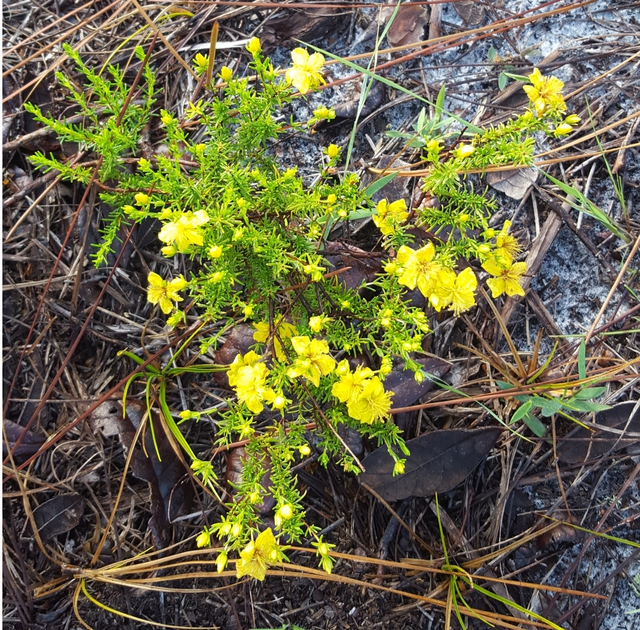
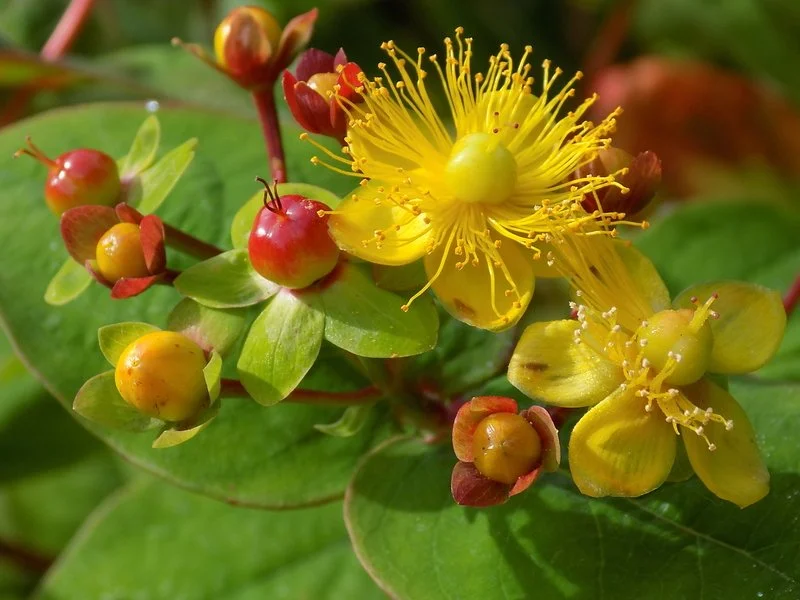
Imagine stepping into your garden to find a delightful expanse of Hypericum tenuifolium, also known as St. John’s Wort, a jewel among herbaceous perennials. This low-growing plant weaves a tapestry of color and texture across your landscape, becoming a staple in gardens for its easy charm and vibrant displays.
Native to the Eastern United States, St. John’s Wort captivates with its glossy green foliage, which serves as a lush backdrop for its radiant yellow blooms. These flowers, fragrant and abundant, emerge in the spring and continue to enchant throughout the summer, filling the garden with a cheerful glow. As the seasons transition, the foliage can shift into warmer tones, extending interest well beyond peak bloom and making it a reliable color-and-texture plant in a mixed planting.
Tip: This plant is a strong fit for sunny pollinator areas where you want long seasonal interest without heavy maintenance.
Any reference to medicinal or culinary use of plants or plant parts should in no way be considered an endorsement by The Ocala Food Forest or its staff. Research is crucial in safe and proper consumption or experimentational use of any plant.
Plant Information
| Scientific Name: | Hypericum tenuifolium |
|---|---|
| Family Name: | Hypericaceae (St. John’s Wort family) |
| Common Name(s): | St. John’s Wort |
| Size: | Typically grows 1 to 2 feet tall and wide |
| Plant Type: | Herbaceous perennial |
| Origin/Geographic Distribution: | Native to the Eastern United States, commonly found in woodland settings and open fields. |
| Native to: | A Florida Native plant, including other areas in the Southeast and parts of the Mid-Atlantic and Northeast U.S. |
| Planted range in the USA: | Widely planted across its native range and in similar temperate climates. |
| Conservation Status: | Not listed as threatened or endangered. |
Cultivation
| Planting: | Best planted in spring or fall to establish before extreme temperatures. |
|---|---|
| Sun Exposure: | Full sun to partial shade |
| Soil Type: | Well-drained, can thrive in a variety of soil types, from sandy to loamy |
| Soil pH: | 5.5 to 7.0 (slightly acidic to neutral) |
| Water Requirements: | Moderate; drought tolerant once established but prefers consistent moisture. |
| Fertilizer Requirements: | Low; may benefit from a light application of a balanced fertilizer in early spring. |
| Pruning Requirements: | Minimal; deadheading spent blooms can encourage more flowering. |
| Growth Rate: | Medium; fills in areas quickly once established |
| Companion Planting: | Complements native grasses and other perennials such as echinacea and rudbeckia, enhancing biodiversity. |
Tolerance and Hardiness
| Drought Tolerance: | High; suitable for xeriscaping or drought-prone areas. |
|---|---|
| Frost Tolerance: | Moderate; can withstand light frosts. Tolerates down to about 20°F (-6°C) |
| Heat Tolerance: | Good; can handle up to about 95°F (35°C) |
| Wind Tolerance: | Moderate |
| Salt Tolerance: | Moderate; can be used in coastal landscapes away from direct salt spray. |
| USDA Plant Hardiness Zones: | 5-10 |
Flower and Fruit Information
| Fruit Type: | Small capsules |
|---|---|
| Harvest Time: | Not typically harvested; fruit appears in late summer to fall. |
| Fruit Description: | Small, not typically a feature of ornamental interest. |
| Edible Plant: | No, not used for culinary purposes. Has been used as a tea. |
| Edible Parts: | N/A |
| Medicinal: | Historically, parts of the plant have been used in traditional medicine, though not commonly today. |
| Flower Color: | Yellow |
| Flower Shape: | Small, star-shaped |
| Fragrance: | Mildly fragrant, attracting bees and butterflies. |
| Flower Bloom Time: | Spring through summer |
| Bloom Duration: | Several weeks, providing a long-lasting display of color. |
| Pollination: Self or Other? | Attracts a variety of pollinators, enhancing garden biodiversity. |
Wildlife
| Attracts: | Bees and butterflies are particularly drawn to the flowers for their nectar. |
|---|---|
| Pollinators: | Bees and butterflies play a crucial role in the pollination of this and nearby plants. |
| Problematic Pest: | Generally pest-resistant; occasional issues with aphids and spider mites. |
Health and Safety
| Toxic: | No, Hypericum tenuifolium is not toxic and is safe around children and pets. |
|---|---|
| Poisonous Parts of Plant: | None |
| Toxic to Humans: | Not toxic |
| Toxic to Animals: | Non-toxic; safe for pets and wildlife. |
| Plant Diseases to be aware of: | Can be susceptible to Leaf Spot & Powdery Mildew; ensure good air circulation and proper drainage. |
Companion Planting
For Hypericum tenuifolium (St. John’s Wort), companions work best when they support pollinators, add contrasting texture, and share similar light and water needs—without crowding airflow around the base.
Salvia coccinea (Scarlet Sage)
Benefits: Adds vibrant red flowers that attract hummingbirds and butterflies, complementing the yellow blooms.
Use:
- Plant nearby in a sunny border for continuous pollinator activity.
- Creates a strong warm-color contrast against yellow blooms.
Rudbeckia hirta (Black-eyed Susan)
Benefits: Attracts a variety of pollinators and creates bold seasonal color.
Use:
- Use behind or beside St. John’s Wort for height layering.
- Helps fill pollinator beds with reliable summer bloom.
Asclepias tuberosa (Butterfly Weed)
Benefits: Hosts monarch larvae and boosts biodiversity with bright orange flowers.
Use:
- Plant in the same full-sun zone with good drainage.
- Creates a high-contrast, pollinator-focused planting pocket.
Muhlenbergia capillaris (Pink Muhly Grass)
Benefits: Adds soft texture and late-season interest with pink plumes.
Use:
- Place behind St. John’s Wort for a layered look.
- Provides fall texture contrast after peak flowering.
Pentas lanceolata (Pentas)
Benefits: Excellent pollinator plant with long bloom windows in warm climates.
Use:
- Use as a near-border filler to keep butterflies working the area.
- Great for adding extra color options without heavy competition.
Stachytarpheta jamaicensis (Blue Porterweed)
Benefits: Continuous blooms attract butterflies and hummingbirds, adding strong blue contrast.
Use:
- Plant nearby to extend nectar availability through warm months.
- Balances the palette with cool tones and vertical form.