Spearmint (Mentha spicata)
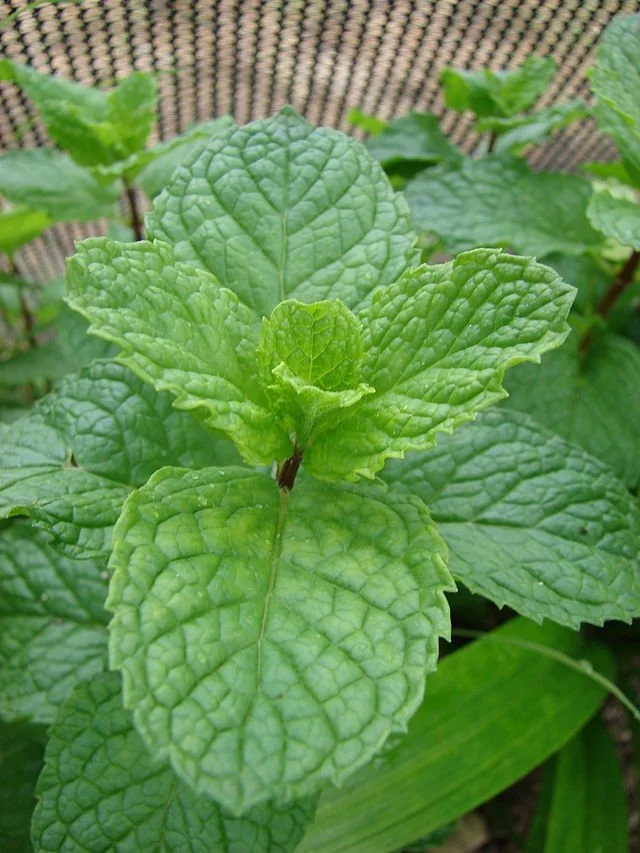
Spearmint, Mentha spicata, is a hardy perennial herb with bright green, serrated leaves and a clean, mildly sweet mint flavor that’s been used in kitchens and herbal traditions for centuries. In warm climates it grows vigorously, spreading by underground runners and quickly filling in as a fragrant groundcover.
In summer, spearmint sends up flowering spikes with small pink to pale lilac blooms that draw in bees and butterflies. It’s an easy, high-reward herb for teas, drinks, desserts, and savory dishes, and it also makes a fresh-smelling companion for patios and pathways when grown in containers.
Spearmint spreads aggressively in garden beds. For easy control, grow it in pots (or sink a pot into the soil) and harvest often to keep plants compact.
Any reference to medicinal or culinary use of plants or plant parts should in no way be considered an endorsement by The Ocala Food Forest or its staff. Research is crucial in safe and proper consumption or experimentational use of any plant.
Plant Information
| Scientific Name: | Mentha spicata |
|---|---|
| Family Name: | Lamiaceae |
| Common Name(s): | Spearmint, Garden Mint, Common Mint, Lamb Mint, Green Mint |
| Size: | Typically 12–39 inches tall; spreads vigorously via underground rhizomes |
| Plant Type: | Perennial herb / ground cover |
| Origin/Geographic Distribution: | Native to Europe and parts of Asia; widely naturalized in temperate regions |
| Native to: | Europe and parts of Asia |
| Native range in the USA: | Naturalized in many areas; commonly found in moist habitats (gardens, stream edges, wet spots) |
| Conservation Status: | Not listed as endangered or threatened |
Cultivation
| Planting: | Give room to spread. For best control, grow in containers or install barriers to limit rhizomes. |
|---|---|
| Sun Exposure: | Full sun to partial shade (afternoon shade helps in very hot sites) |
| Soil Type: | Rich, moist, well-drained soil; adaptable, but avoid waterlogged conditions |
| Soil pH: | Typically 6.0 to 7.5 |
| Water Requirements: | Regular watering; prefers consistently moist soil (do not let fully dry out) |
| Fertilizer Requirements: | Light feeding is usually enough. A balanced, all-purpose fertilizer in spring can be sufficient. |
| Pruning Requirements: | Pinch/trim regularly; cut back flowering stems to push leaf growth and control spread |
| Growth Rate: | Fast |
Tolerance and Hardiness
| Drought Tolerance: | Moderate; handles short dry spells but grows best with steady moisture |
|---|---|
| Frost Tolerance: | Excellent; dies back in winter in cold regions and returns in spring (mulch helps protect crowns) |
| Heat Tolerance: | Moderate to good; performs best when roots stay cool and evenly moist |
| Wind Tolerance: | Moderate; flexible stems tolerate typical winds |
| Salt Tolerance: | Low; high salinity can cause leaf burn and reduced vigor |
| USDA Plant Hardiness Zones: | 3a to 10 |
Flower and Leaf Information
| Fruit Type: | None (grown for leaves and flowers) |
|---|---|
| Harvest Time: | Harvest leaves just before flowering for peak flavor; harvest in the morning after dew dries |
| Edible Plant: | Yes |
| Edible Parts: | Leaves, flowers, and young tender stems |
| Medicinal: | Traditionally used to support digestion (research and use responsibly) |
| Flower Color: | Pale pink to lilac |
| Flower Shape: | Small tubular flowers in clustered spikes |
| Fragrance: | Lightly sweet and minty in bloom; leaves are strongly aromatic |
| Flower Bloom Time: | Mid to late summer |
| Bloom Duration: | Several weeks (deadheading can extend bloom) |
| Pollination: Self or Other? | Primarily insect-pollinated; most spread is vegetative via runners/rhizomes |
Wildlife
| Pollinators: | Bees, butterflies, and moths |
|---|---|
| Problematic Pest: | Aphids, spider mites, and caterpillars (pressure varies by site) |
| Attracts: | Beneficial insects such as ladybugs, lacewings, hoverflies; small birds may visit for insects/cover |
Health and Safety
| Toxic: | Generally no (culinary herb). Concentrated oils/saps can be irritating for some people. |
|---|---|
| Poisonous Parts of Plant: | None typically listed; concentrated essential oils may irritate sensitive skin or stomachs |
| Toxic to Humans: | No (when used normally as a culinary herb). Avoid excess essential oil exposure. |
| Toxic to Animals: | Usually low risk in small amounts, but large ingestion may cause digestive upset; use caution with pets that graze heavily. |
| Plant Diseases to be aware of: |
Powdery mildew, rust, verticillium wilt, mint anthracnose, root rot
Prevention: space for airflow, water at the base, avoid soggy soils, and remove infected leaves promptly.
|
Companion Planting
Spearmint can help in the garden by adding strong scent, supporting pollinators, and providing leaf harvests. Because it spreads fast, the best practice is to grow it in containers near the plants you want it to support.
Tomatoes
Benefits: Mint’s aroma may help confuse some pests and can support beneficial insect activity nearby.
Use:
- Place a potted spearmint plant near (not inside) the tomato bed.
- Prune often to keep airflow open around tomatoes.
Brassicas (Cabbage, Kale, Broccoli)
Benefits: Strong fragrance may help deter certain moth/leaf pests and attracts pollinators when blooming.
Use:
- Use mint pots along bed edges as a scented border.
- Harvest regularly to prevent flowering if you want maximum leaf growth.
Peas and Beans
Benefits: Can help draw beneficial insects and may reduce pest pressure in mixed plantings.
Use:
- Place containers near trellises so mint doesn’t compete with legumes.
- Keep mint trimmed to avoid shading seedlings.
Carrots
Benefits: Aromatic herbs can help mask crop scent in diverse beds.
Use:
- Set pots near carrot rows rather than planting mint directly in the bed.
- Use harvested mint as light mulch away from carrot crowns.
Alliums (Onions, Garlic, Chives)
Benefits: Pairs well in “scent-stacking” strategies that discourage soft-bodied pests.
Use:
- Border an allium bed with potted mint for aroma without root competition.
- Keep mint contained to prevent rhizomes mixing into the bed.
Plants to Avoid (Close Planting)
Why: Spearmint can outcompete nearby plants for space and moisture.
Avoid planting directly next to:
- Parsley (competition and crowding)
- Cucumbers (mint can overrun the space cucumbers need)