Salvia (Salvia elegans) — Pineapple Sage
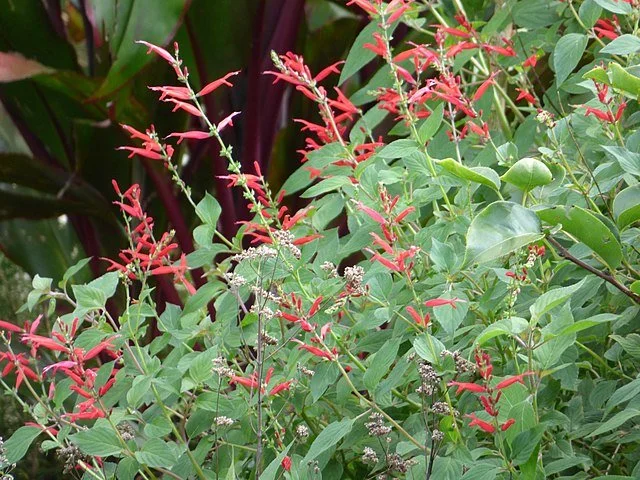
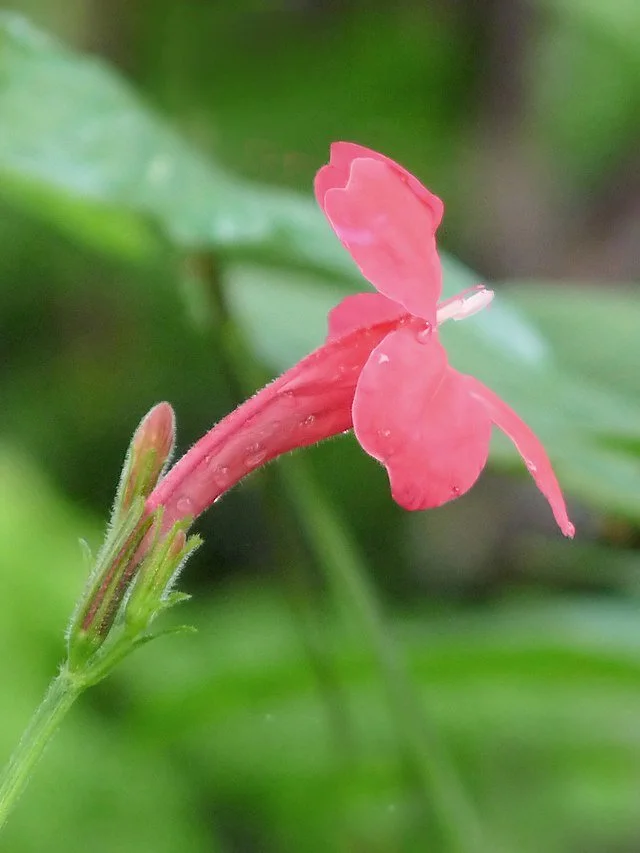
Salvia elegans, also affectionately known as pineapple sage, is a delightful addition to any garden setting, celebrated not only for its aesthetic appeal but also for its aromatic qualities. This herbaceous perennial is part of the mint family (Lamiaceae) and brings the warmth and vibrancy of its native Mexico and Guatemala into the landscape.
The plant’s most captivating feature is its pineapple-like scent. When the leaves are brushed or crushed, they release a sweet, fruity fragrance that can make a garden feel instantly brighter. The bright red, tubular flowers (often strongest from late summer into fall) add a bold splash of color and are well known for drawing hummingbirds and butterflies.
Pineapple sage is also valued in the kitchen: the leaves and flowers are commonly used to flavor teas, beverages, desserts, and garnishes—always confirm plant identity and safe use before consumption.
Any reference to medicinal or culinary use of plants or plant parts should in no way be considered an endorsement by The Ocala Food Forest or its staff. Research is crucial in safe and proper consumption or experimentational use of any plant.
Plant Information
| Scientific Name: | Salvia elegans |
|---|---|
| Family Name: | Lamiaceae |
| Common Name(s): | Pineapple Sage |
| Size: | Can grow up to 4 feet tall and 3 feet wide |
| Plant Type: | Herbaceous Perennial |
| Origin/Geographic Distribution: | Native to Mexico and Guatemala |
| Native to: | Mexico and Guatemala |
| Native range in the USA: | Not native to the USA; cultivated widely in Florida, Georgia, Texas, Arizona, and California |
| Conservation Status: | Not listed as threatened or endangered |
Cultivation
| Planting: | Plant in spring after the last frost |
|---|---|
| Sun Exposure: | Full sun to partial shade |
| Soil Type: | Well-drained, fertile soil |
| Soil pH: | 6.0 to 7.5 (slightly acidic to neutral) |
| Water Requirements: | Regular watering to keep soil consistently moist |
| Fertilizer Requirements: | Feed with a balanced fertilizer every 4–6 weeks during the growing season |
| Pruning Requirements: | Prune in early spring to encourage bushy growth; prune again after flowering to maintain shape |
| Growth Rate: | Fast |
| Companion Planting: | Benefits from being planted with other herbs that require similar growing conditions, such as mint and lemon balm |
Tolerance and Hardiness
| Drought Tolerance: | Low; while it can handle dry conditions to some extent, it’s best to keep the soil consistently moist |
|---|---|
| Frost Tolerance: | Low; frost can damage or kill the plant (approx. low temperature 20°F / -6°C) |
| Heat Tolerance: | High; thrives in warm to hot climates (about 90°F to 100°F / 32°C to 38°C) |
| Wind Tolerance: | Moderate; protect from strong winds |
| Salt Tolerance: | Low; not suitable for coastal areas with direct salt exposure |
| USDA Plant Hardiness Zones: | 7a–10b |
Flower and Fruit Information
| Fruit Type: | Not typically grown for fruit; no significant fruit production |
|---|---|
| Harvest Time: | N/A |
| Fruit Description: | N/A |
| Edible Plant: | Yes; the leaves and flowers are edible |
| Edible Parts: | Leaves and flowers; leaves have a pineapple-like flavor and aroma; flowers are used as edible garnishes |
| Medicinal: | Traditionally used for calming and digestive properties |
| Flower Color: | Bright red |
| Flower Shape: | Tubular |
| Fragrance: | Leaves are aromatic, with a sweet pineapple scent |
| Flower Bloom Time: | Late spring to fall |
| Bloom Duration: | Continues for several months, until the first frost |
| Pollination: Self or Other? | Attracts pollinators for pollination |
Wildlife
| Attracts: | Bees, hummingbirds, moths, and butterflies (especially drawn to the vibrant red flowers) |
|---|---|
| Pollinators: | Bees and hummingbirds are key pollinators for Salvia elegans |
| Problematic Pest: | Generally pest-resistant; watch for whiteflies and aphids, especially in high humidity |
Health and Safety
| Toxic: | No; Salvia elegans is not toxic and is generally considered safe around children and pets |
|---|---|
| Poisonous Parts of Plant: | None |
| Toxic to Humans: | Not toxic |
| Toxic to Animals: | Non-toxic; safe for pets and wildlife |
| Plant Diseases to be aware of: | Can be susceptible to root rot in overly wet conditions; ensure good drainage |
Companion Planting
Companion planting with Salvia elegans (Pineapple Sage) can enhance pollinator traffic and create a vibrant, wildlife-friendly bed. These companions were chosen to complement pineapple sage while supporting a busy garden ecosystem.
Coreopsis (Coreopsis spp.) — Florida Native
Benefits: Attracts beneficial insects and pollinators, supporting pollination in mixed beds.
Use:
- Ideal for borders and naturalistic garden designs.
- Adds bright yellow-to-golden blooms for contrast.
Gaillardia (Gaillardia pulchella) — Florida Native
Benefits: Drought-tolerant color that attracts butterflies and bees.
Use:
- Plant in sunny spots near pineapple sage for continuous nectar.
- Great for bright, low-maintenance pollinator beds.
Beach Sunflower (Helianthus debilis) — Florida Native
Benefits: Provides ground cover and attracts a variety of pollinators.
Use:
- Use in sunny areas as a living mulch around the planting zone.
- Helps fill space and keeps beds looking lush.
Pentas (Pentas lanceolata) — Florida Friendly
Benefits: Strong hummingbird and butterfly attraction to increase overall pollinator activity.
Use:
- Mix into beds and borders for steady blooms.
- Pairs well with pineapple sage for color layering.
Lantana (Lantana camara) — Florida Friendly
Benefits: Hardy, drought-resistant, and highly attractive to butterflies and beneficial insects.
Use:
- Plant near pineapple sage in full sun for a vibrant, low-maintenance display.
- Use as a color “anchor” plant in pollinator beds.
Other Salvias (Salvia spp.) — Florida Friendly
Benefits: Reinforces pollinator draw; varied bloom times and colors add season-long interest.
Use:
- Plant in repeating groups for rhythm and cohesion.
- Stagger different types to extend bloom windows.