Pepper Leaf (Piper sarmentosum)
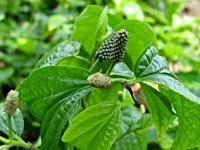
Pepper Leaf, Piper sarmentosum, is an evergreen, trailing vine/ground cover from Southeast Asia with glossy green leaves and a complex flavor often described as sweet, spicy, and slightly sour with a mild bitterness. It spreads where stems contact the soil and can also climb with support, making it useful in containers, understory beds, and shaded tropical-style plantings.
This plant is widely used in traditional Southeast Asian cuisines and is sometimes used in traditional herbal practices. It prefers consistently moist, rich soil and bright shade or filtered light, where leaves stay tender and less prone to scorching.
Note: Pepper Leaf is best suited to warm, frost-free conditions and is typically hardy in USDA Zones 10–12.
Any reference to medicinal or culinary use of plants or plant parts should in no way be considered an endorsement by The Ocala Food Forest or its staff. Research is crucial in safe and proper consumption or experimentational use of any plant.
Plant Information
| Scientific Name: | Piper sarmentosum |
|---|---|
| Family Name: | Piperaceae |
| Common Name(s): | Pepper Leaf, Betel Leaf, Wild Betel, La Lot |
| Size: | Typically 1–3 feet tall; spreads as a ground cover and can climb with support |
| Plant Type: | Perennial herb, vine, and ground cover |
| Origin/Geographic Distribution: | Native to Southeast Asia (including Thailand, Vietnam, and parts of India) |
| Planted range in the USA: | Grown in tropical/subtropical areas, including parts of Florida and California where frost is minimal |
| Conservation Status: | Not listed as threatened |
Cultivation
| Planting: | Spring to early summer in cooler areas; year-round in frost-free climates |
|---|---|
| Sun Exposure: | Partial shade; too much direct sun can scorch leaves |
| Soil Type: | Rich, well-drained, consistently moist soil |
| Soil pH: | 5.5 to 6.5 (slightly acidic) |
| Water Requirements: | High; keep evenly moist (avoid letting soil dry out) |
| Fertilizer Requirements: | Benefits from regular feeding with a balanced, water-soluble fertilizer during the growing season |
| Pruning Requirements: | Minimal; trim to control spread and remove yellowed leaves |
| Growth Rate: | Fast; spreads quickly under optimal conditions |
| Companion Planting: | Works well with shade-loving tropical plants such as gingers and ferns |
Tolerance and Hardiness
| Drought Tolerance: | Low; does not tolerate dry conditions well |
|---|---|
| Frost Tolerance: | Very low; damage can occur below 50°F (10°C). In areas with cold snaps, cut back to 6–8 inches above the ground before colder weather and protect the base with mulch or frost cloth. |
| Heat Tolerance: | High; tolerates hot, humid tropical conditions |
| Wind Tolerance: | Low; benefits from shelter from strong winds |
| Salt Tolerance: | Low; not suitable for direct coastal exposure |
| USDA Plant Hardiness Zones: | 10–12 |
Flower and Fruit Information
| Fruit Type: | Produces small, non-edible berries |
|---|---|
| Harvest Time: | Leaves can be harvested from December to May by snipping outer, larger leaves. Leave smaller leaves to develop and harvest regularly to promote new growth. Leaves are best when vibrant green with a waxy sheen. |
| Fruit Description: | Small and inconspicuous |
| Edible Plant: | Yes |
| Edible Parts: | Leaves (raw or cooked; used as a spice and in teas) |
| Medicinal: | Used in traditional medicine for various purposes (research and guidance recommended) |
| Flower Color: | White |
| Flower Shape: | Small and discreet; not the main ornamental feature |
| Fragrance: | Not particularly fragrant |
| Flower Bloom Time: | Intermittently throughout the year |
| Bloom Duration: | Short-lived; flowers are not the primary reason for cultivation |
| Pollination: Self or Other? | Self-pollinating |
Wildlife
| Attracts: | Small insects that assist in pollination |
|---|---|
| Pollinators: | Small insects |
| Problematic Pest: | Susceptible to aphids and mealybugs |
Health and Safety
| Toxic: | No; generally considered non-toxic |
|---|---|
| Poisonous Parts of Plant: | None |
| Toxic to Humans: | Not toxic; leaves are commonly used in culinary applications |
| Toxic to Animals: | Non-toxic; generally considered safe for wildlife and domestic animals |
| Plant Diseases to be aware of: | Watch for fungal diseases and bacterial infections, especially in humid conditions |
Companion Planting
For Piper sarmentosum (Pepper Leaf), the best companions are shade-tolerant plants that appreciate steady moisture and help create a protected, humid microclimate. In Florida, pairing it with tropical understory plants can improve overall bed performance and reduce stress from sun and wind.
Ferns (various species)
Benefits: Helps conserve soil moisture and adds a lush, textured understory (many Florida-native options).
Use:
- Underplant to shade soil and stabilize moisture.
- Keep airflow adequate to reduce fungal pressure.
Coral Honeysuckle (Lonicera sempervirens)
Benefits: Attracts hummingbirds and beneficial insects; increases biodiversity (Florida native).
Use:
- Grow on a separate support nearby for vertical interest.
- Use as a pollinator draw in the same garden zone.
Ginger (Zingiber officinale)
Benefits: Shares similar moisture and light needs; supports a tropical understory feel (Florida-friendly).
Use:
- Plant in adjacent pockets with consistent irrigation.
- Use mulch to keep both root zones cool and moist.
Turmeric (Curcuma longa)
Benefits: Similar growing preferences; complements a culinary-focused bed (Florida-friendly).
Use:
- Plant nearby in rich soil with steady moisture.
- Allow space for turmeric’s seasonal growth cycle.
Lemongrass (Cymbopogon citratus)
Benefits: Can help form a protective border and may discourage some pests with its scent (Florida-friendly).
Use:
- Plant as a backdrop/border rather than tight beside the vine.
- Use as a wind buffer for more delicate understory plants.
Shade-Loving Tropical Foliage (mixed)
Benefits: Builds a stable microclimate and reduces sun scorch and wind stress.
Use:
- Group plants with similar watering needs.
- Maintain spacing so leaves dry reasonably fast after watering.