Parlor Maple (Abutilon striatum)
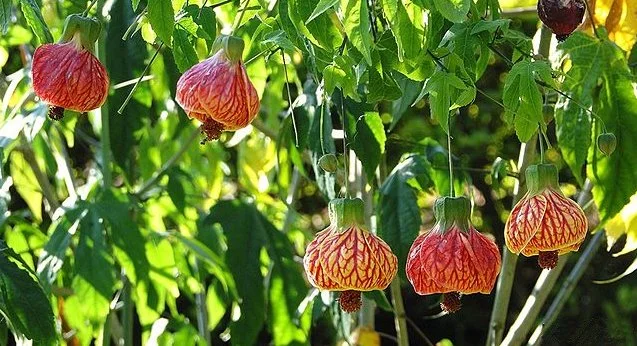
Abutilon striatum, commonly called Parlor Maple, is a reliable, low-maintenance plant with lush green foliage and showy, bell-shaped blooms that bring a tropical look to patios, shaded garden corners, and bright indoor spaces. Its soft, maple-like leaves create a full, leafy backdrop that makes the flowers stand out.
Parlor Maple is especially popular for long-season color in warm climates, and it adapts well to container growing, making it easy to move for protection during cold snaps. If you want a plant that adds consistent visual interest without demanding constant attention, this is a strong choice.
Best performance is typically in bright light with some protection from harsh extremes (strong wind or hard freezes), especially when grown outdoors.
Any reference to medicinal or culinary use of plants or plant parts should in no way be considered an endorsement by The Ocala Food Forest or its staff. Research is crucial in safe and proper consumption or experimentational use of any plant.
Plant Information
| Scientific Name: | Abutilon striatum |
|---|---|
| Family Name: | Malvaceae |
| Common Name(s): | Red Vein Indian Mallow, Parlor Maple |
| Size: | Can grow up to 5–8 feet tall and wide |
| Plant Type: | Evergreen shrub |
| Origin/Geographic Distribution: | Native to Brazil and other parts of South America; cultivated in subtropical/tropical regions |
| Native to: | Brazil |
| Planted range in the USA: | Not native; grown in Florida, parts of Texas, Southern California, and Hawaii |
| Conservation Status: | Not listed as threatened; considered invasive in some areas |
Cultivation
| Planting: | Best planted in spring or early summer to establish before cooler months |
|---|---|
| Sun Exposure: | Full sun to partial shade |
| Soil Type: | Well-drained, fertile soil; prefers loamy or sandy soils |
| Soil pH: | 5.6 to 6.0 (slightly acidic) |
| Water Requirements: | Medium; water regularly, especially during dry conditions |
| Fertilizer Requirements: | Feed with a balanced fertilizer during the growing season for best flowering. |
| Pruning Requirements: | Prune in late winter or early spring to shape and encourage bushier growth |
| Growth Rate: | Medium; establishes quickly under optimal conditions |
| Companion Planting: | Pairs well with tropical/subtropical plants that appreciate light shade and similar watering |
Tolerance and Hardiness
| Drought Tolerance: | Moderate; tolerates brief drought once established |
|---|---|
| Frost Tolerance: | Low; tolerates light frost, but may be damaged below 20°F (-6°C) |
| Heat Tolerance: | High; thrives in warm climates (handles hot summers with adequate moisture) |
| Wind Tolerance: | Moderate; may need support or a sheltered site in very windy areas |
| Salt Tolerance: | Moderate; better with protection from direct salt spray |
| USDA Plant Hardiness Zones: | 8–11 |
Flower and Fruit Information
| Fruit Type: | Insignificant; primarily grown for flowers |
|---|---|
| Harvest Time: | N/A |
| Fruit Description: | N/A |
| Edible Plant: | No |
| Edible Parts: | None |
| Medicinal: | No significant medicinal uses reported |
| Flower Color: | Yellow with red veins |
| Flower Shape: | Large, bell-shaped |
| Fragrance: | None |
| Flower Bloom Time: | Late summer to fall |
| Bloom Duration: | Lasts several weeks |
| Pollination: Self or Other? | Attracts bees, butterflies, and other pollinators |
Wildlife
| Attracts: | Bees, butterflies, and birds (nectar and shelter) |
|---|---|
| Pollinators: | Bees and butterflies (and other small pollinators) |
| Problematic Pest: | Generally resistant; occasional aphids and leaf miners. |
Health and Safety
| Toxic: | No, the plant is not toxic; generally considered safe around children and pets |
|---|---|
| Poisonous Parts of Plant: | None |
| Toxic to Humans: | Not toxic |
| Toxic to Animals: | Non-toxic; generally safe for wildlife and domestic animals |
| Plant Diseases to be aware of: | Occasional fungal infections, especially in humid conditions |
Companion Planting
Parlor Maple pairs well with plants that enjoy similar moisture, appreciate light shade, and add layered texture. The selections below focus on Florida Native and Florida Friendly options that complement Abutilon striatum in warm-climate gardens.
Florida Native: Native Ferns (select local species)
Benefits: Help retain soil moisture, soften edges, and provide a lush, textured understory that contrasts beautifully with Parlor Maple foliage.
Use:
- Underplant around the base for a layered, tropical look.
- Use as a living mulch in lightly shaded areas.
Florida Native: Firebush (Hamelia patens)
Benefits: Bright blooms draw hummingbirds and butterflies, increasing pollinator activity and adding bold color contrast.
Use:
- Plant nearby to create a pollinator corridor.
- Use as a backdrop or side anchor in mixed shrub borders.
Florida Friendly: Bougainvillea (Bougainvillea spp.)
Benefits: Strong color pop and vertical interest; complements Parlor Maple’s softer leaf texture.
Use:
- Train on a trellis or wall near (but not crowding) Parlor Maple.
- Use to frame patios and entry spaces for a tropical feel.
Florida Friendly: Lantana (Lantana camara)
Benefits: Long bloom season and strong pollinator draw; adds low, colorful structure in front of shrubs.
Use:
- Plant along borders to bring color at the base layer.
- Use in sunny gaps where you want resilient flowering.
Florida Friendly: Pentas (Pentas lanceolata)
Benefits: Butterfly magnet; adds steady color and fills in planting pockets around shrubs.
Use:
- Cluster around Parlor Maple for continuous bloom support.
- Use as a mid/foreground layer in mixed plantings.