Firebush (Hamelia patens)
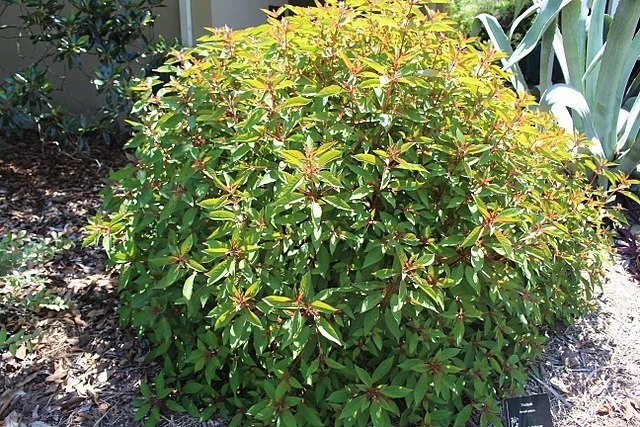
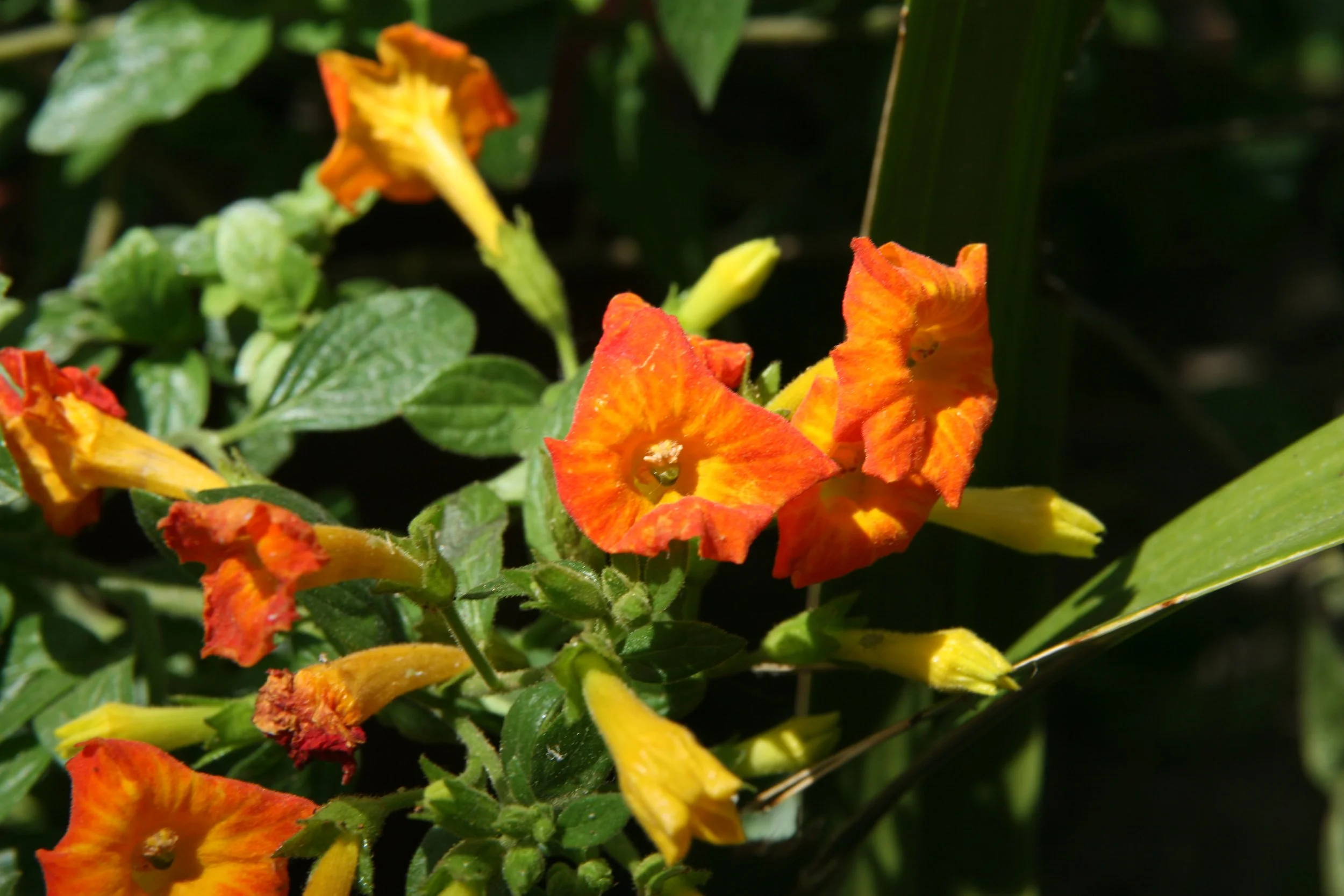
Hamelia patens, commonly called Firebush, is a vibrant, heat-loving shrub valued for its red-orange tubular flowers and its ability to bring consistent color to warm-climate landscapes. In Florida, it is widely used as an ornamental and pollinator plant, thriving in sun to partial shade and tolerating a range of soils once established.
Firebush is especially known for attracting hummingbirds, butterflies, and other beneficial pollinators. With its fast growth and easy maintenance, it works well as a specimen plant, informal hedge, or a focal shrub in a wildlife-friendly planting.
Firebush is a strong choice when you want long-season blooms, tropical color, and dependable pollinator activity in a Florida-friendly landscape.
Any reference to medicinal or culinary use of plants or plant parts should in no way be considered an endorsement by The Ocala Food Forest or its staff. Research is crucial in safe and proper consumption or experimentational use of any plant.
Plant Information
| Scientific Name: | Hamelia patens |
|---|---|
| Family Name: | Rubiaceae |
| Common Name(s): | Firebush, Hummingbird Bush |
| Size: | 3–5 ft tall/wide in cooler areas; up to 12–15 ft in tropical conditions |
| Plant Type: | Perennial shrub |
| Origin/Geographic Distribution: | Native to Florida, the Caribbean, Mexico, and Central & South America |
| Native to: | Florida, the Caribbean, Mexico, and Central & South America |
| Native range in the USA: | Florida (especially South Florida and the Keys) |
| Conservation Status: | Not threatened |
Cultivation
| Planting: | Best planted in spring to early summer |
|---|---|
| Sun Exposure: | Full sun to partial shade |
| Soil Type: | Well-drained, fertile soil; tolerates a variety of soil types |
| Soil pH: | 5.6 to 7.5 (acidic to neutral) |
| Water Requirements: | Moderate; drought-tolerant once established but performs best with regular watering |
| Fertilizer Requirements: | Light; apply a balanced slow-release fertilizer in early spring. |
| Pruning Requirements: | Prune in late winter to early spring to shape and promote bushier growth |
| Growth Rate: | Fast; establishes quickly and fills in areas rapidly |
| Companion Planting: | Complements Lantana, Salvia, and other drought-tolerant, full-sun plants |
Tolerance and Hardiness
| Drought Tolerance: | High; well-adapted to periods of dry weather |
|---|---|
| Frost Tolerance: | Moderate; can tolerate brief frosts but may suffer foliage damage below 28°F (-2°C) |
| Heat Tolerance: | Very high; thrives in hot and humid conditions up to 100°F (38°C) |
| Wind Tolerance: | Medium; may require staking in very windy areas |
| Salt Tolerance: | Moderate; suitable for coastal areas with protection from direct salt spray |
| USDA Plant Hardiness Zones: | 9–11 |
Flower and Fruit Information
| Fruit Type: | Small red-orange berries |
|---|---|
| Harvest Time: | Year-round in tropical climates; berries follow flowering |
| Fruit Description: | Attractive to birds but not commonly consumed by humans |
| Edible Plant: | No |
| Edible Parts: | None |
| Medicinal: | Used in traditional medicine in some cultures; not commonly used in modern herbalism |
| Flower Color: | Red to orange |
| Flower Shape: | Tubular |
| Fragrance: | Mildly fragrant |
| Flower Bloom Time: | Spring to fall |
| Bloom Duration: | Long-lasting, with peak blooms in summer |
| Pollination: Self or Other? | Attracts bees, butterflies, and hummingbirds |
Wildlife
| Attracts: | Bees, butterflies, hummingbirds, and birds drawn to flowers and fruit |
|---|---|
| Pollinators: | Bees and butterflies (plus hummingbirds) |
| Problematic Pest: | Generally pest-resistant but watch for aphids and scale insects. |
Health and Safety
| Toxic: | Not highly toxic, but berries are not fit for human consumption |
|---|---|
| Poisonous Parts of Plant: | Berries should be considered potentially toxic and should not be eaten |
| Toxic to Humans: | Berries may cause stomach upset if ingested |
| Toxic to Animals: | Non-toxic to animals; generally safe for wildlife and pets |
| Plant Diseases to be aware of: | Susceptible to root rot in overly wet conditions; may attract aphids/scale |
Companion Planting
For Hamelia patens (Firebush), here are companion plants that are Florida Native and Florida Friendly. These selections complement Firebush visually while also supporting pollinators and overall biodiversity.
Florida Native: Beautyberry (Callicarpa americana)
Zone Range: 6–10
Benefits: Purple berries contrast beautifully with Firebush blooms and provide bird food.
Use: Mixed shrub borders or naturalistic landscapes.
Florida Native: Wild Coffee (Psychotria nervosa)
Zone Range: 9–11
Benefits: Dense, glossy foliage and berries for birds; supports layered habitat planting.
Use: Understory or partially shaded edges near Firebush.
Florida Native: Saw Palmetto (Serenoa repens)
Zone Range: 8–11
Benefits: Tough ground cover that stabilizes soil and provides wildlife shelter.
Use: Dry, sandy areas as a durable base layer around shrubs.
Florida Friendly: Lantana (Lantana camara)
Zone Range: 8–11
Benefits: Nectar-rich blooms attract butterflies and hummingbirds like Firebush does.
Use: Sunny borders and pollinator beds.
Florida Friendly: Pentas (Pentas lanceolata)
Zone Range: 8–11
Benefits: Long bloom season increases pollinator traffic throughout the year.
Use: Mass plantings in full sun alongside Firebush.
Florida Friendly: Purple Coneflower (Echinacea purpurea)
Zone Range: 3–9
Benefits: Adds a cool-color contrast and supports butterflies and beneficial insects.
Use: Perennial beds to add height and seasonal diversity.