Everglades Tomato (Solanum pimpinellifolium)
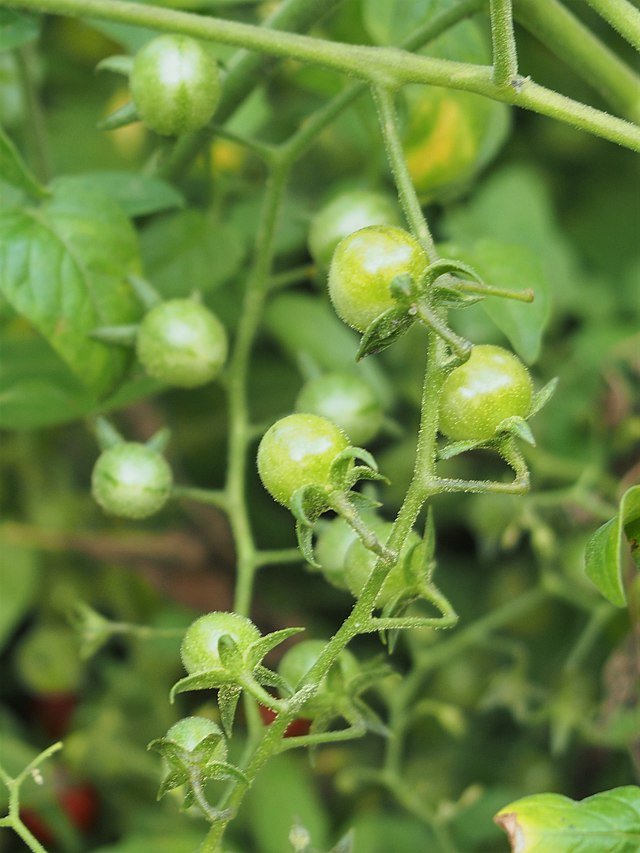
Everglades tomato (Solanum pimpinellifolium) is a wild-type tomato known for its tough, adaptable nature and its small, sweet fruit. In Florida, it’s often appreciated for how reliably it can handle heat, humidity, and variable rainfall compared to many standard garden tomato varieties.
The plant produces sprawling vines with clusters of tiny red tomatoes that ripen over an extended season. It performs best with sun, airflow, and a simple support like a cage, trellis, or fence line to keep the vines off the ground and make harvest easier.
For gardeners who want a hardy, productive tomato that can keep going through Florida’s warm months, the Everglades tomato is a standout option for fresh snacking, salads, and quick sauces.
Any reference to medicinal or culinary use of plants or plant parts should in no way be considered an endorsement by The Ocala Food Forest or its staff. Research is crucial in safe and proper consumption or experimentational use of any plant.
Plant Information
| Scientific Name: | Solanum pimpinellifolium |
|---|---|
| Family Name: | Solanaceae |
| Common Name(s): | Everglades Tomato, Wild Florida Tomato |
| Size: | Typically 3–6 feet tall with support; can sprawl wider without support |
| Plant Type: | Vining tomato; Perennial in frost-free climates, commonly grown as an annual elsewhere |
| Origin/Geographic Distribution: | Native to South America; widely cultivated and naturalized in warm regions |
| Native to: | South America (commonly associated with coastal Ecuador/Peru regions) |
| Native range in the USA: | Not native; widely naturalized and commonly grown in Florida |
| Conservation Status: | Not listed as threatened |
Cultivation
| Planting: | Direct sow when nights are consistently warm, or start indoors and transplant once plants are established. Provide a cage/trellis for airflow and easier harvesting. |
|---|---|
| Sun Exposure: | Full sun to partial shade |
| Soil Type: | Well-drained soil; performs best with compost/organic matter |
| Soil pH: | 5.5 to 7.0 |
| Water Requirements: | Medium; drought-tolerant once established but fruits best with steady moisture |
| Fertilizer Requirements: | Light feeding; excessive fertilizer can boost leaves at the expense of flowers and fruit. |
| Pruning Requirements: | Minimal; thin crowded growth for airflow and remove dead/diseased foliage |
| Growth Rate: | Fast; commonly adds 3–6+ feet of vine growth per season in warm conditions |
| Companion Planting: | Pairs well with herbs and flowers that attract beneficial insects and help deter pests |
Tolerance and Hardiness
| Drought Tolerance: | High once established |
|---|---|
| Frost Tolerance: | Low; protect from frost (damage occurs at or below 32°F / 0°C) |
| Heat Tolerance: | Very high; known for producing reliably in hot and humid conditions |
| Wind Tolerance: | Moderate; provide support in exposed areas |
| Salt Tolerance: | Moderate; can tolerate some coastal influence (avoid direct salt spray) |
| USDA Plant Hardiness Zones: | 9–11 |
Flower and Fruit Information
| Fruit Type: | Small, round, bright red fruits |
|---|---|
| Harvest Time: |
Often begins about 60–80 days after planting/transplant and can continue as long as warm weather holds.
How to tell it’s ready: fruit turns fully red and glossy, feels slightly soft (not mushy), and detaches easily with a gentle twist. |
| Fruit Description: | Pea-sized, sweet-tart tomato flavor; commonly eaten fresh, in salads, or cooked into sauces |
| Edible Plant: | Yes (ripe fruit) |
| Edible Parts: | Fruit |
| Medicinal: | Nutritional benefits as a food (tomato fruit contains antioxidants such as lycopene) |
| Flower Color: | Yellow |
| Flower Shape: | Star-shaped |
| Fragrance: | Mild |
| Flower Bloom Time: | March–November (can extend longer in frost-free weather) |
| Bloom Duration: | Intermittent/continuous through the warm growing season |
| Pollination: Self or Other? | Self-pollinating; improved by insect activity and airflow |
Wildlife
| Attracts: | Bees and beneficial insects; birds may feed on ripe fruit |
|---|---|
| Pollinators: | Bees and other beneficial insects |
| Problematic Pest: | Aphids, whiteflies, hornworms, stink bugs, spider mites. |
Health and Safety
| Toxic: | Partly. Ripe fruit is edible, but tomato greens contain compounds that can cause stomach upset if eaten in quantity. |
|---|---|
| Poisonous Parts of Plant: | Leaves, stems, and unripe fruit (especially if consumed in quantity) |
| Toxic to Humans: | Yes (greens/unripe fruit may cause gastrointestinal upset if ingested) |
| Toxic to Animals: | Yes; tomato plant greens can be harmful to pets if chewed/eaten |
| Plant Diseases to be aware of: | Early blight, bacterial spot/speck, leaf spot diseases, humidity-driven fungal issues |
Companion Planting
Companion planting around Everglades tomato can help with pest pressure, pollinator activity, and overall garden resilience. Below are Florida Native and Florida Friendly options that pair well in a Zone 9 garden.
Florida Native: Blanketflower (Gaillardia pulchella)
Benefits: Strong pollinator draw (bees and butterflies) to keep flower activity high around tomatoes.
Use: Plant as a sunny border near tomatoes to encourage beneficial insect traffic.
Florida Native: Coreopsis (Coreopsis spp.)
Benefits: Brings in native pollinators and helpful predatory insects that can reduce soft-bodied pests.
Use: Cluster a few plants nearby (not shading the tomatoes) as a pollinator “magnet.”
Florida Native: Beach Sunflower (Helianthus debilis)
Benefits: Attracts beneficial insects and provides light groundcover that can help reduce soil splash.
Use: Plant on the edge of beds; keep trimmed so it doesn’t crowd tomato roots.
Florida Native: Partridge Pea (Chamaecrista fasciculata)
Benefits: Nitrogen-fixer that supports soil health; also attracts beneficial insects.
Use: Plant a little away from the tomato base so both have room and airflow.
Florida Friendly: Basil (Ocimum basilicum)
Benefits: Helpful for attracting pollinators and beneficial insects; commonly used near tomatoes in kitchen gardens.
Use: Tuck basil between tomato plants or along the bed edge where it gets sun.
Florida Friendly: Marigolds (Tagetes spp.)
Benefits: Can help deter certain pests and attracts beneficial insects with continuous blooms.
Use: Plant around the perimeter of the tomato bed as a flowering barrier.
Florida Friendly: Nasturtium (Tropaeolum majus)
Benefits: Often functions as a “trap crop” for aphids, drawing pressure away from tomatoes.
Use: Plant along the edge of beds; keep it from climbing through tomato cages.
Florida Friendly: Chives (Allium schoenoprasum) or Parsley (Petroselinum crispum)
Benefits: Supports beneficial insects; can help diversify scent and habitat around tomatoes.
Use: Use as a low border planting that doesn’t compete heavily for space.