Elderberry (Sambucus simpsonii)
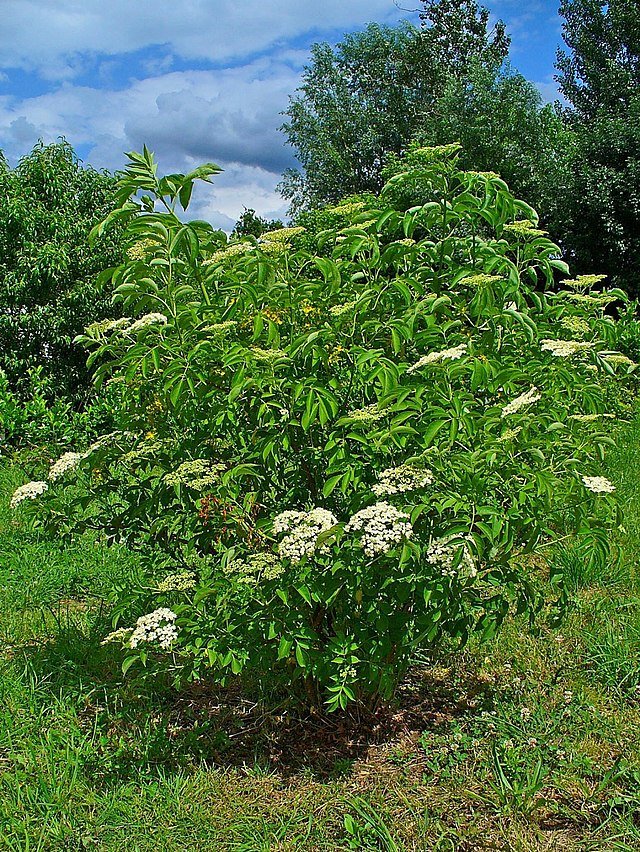
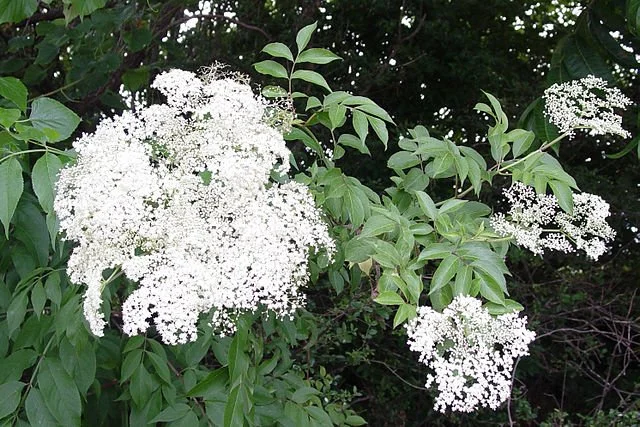
The Sambucus Simpsonii, or elderberry plant, is a deciduous shrub that is native to North America. The elderberry plant is a member of the Adoxaceae family and can grow to be up to 12 feet tall. The elderberry plant has dark green leaves and produces small white flowers that turn into dark purple berries. The berries of the elderberry plant are used in pies, jams, and wine. The elderberry plant is also known for its medicinal properties and has been used to treat colds, flu, and other ailments for centuries.
Varieties suitable for Florida
Common Elderberry (Sambucus nigra subsp. canadensis)
Fruiting Season: Mid-summer to early fall (typically July–September).
Pollination: Requires cross-pollination with another elderberry nearby.
Best Pollinators: Plant multiple bushes of the same/compatible type to ensure cross-pollination.
Planting Zone Range: 3–9.
Description: Dark purple-black berry clusters used for syrups, jellies, wines, and traditional use; flowers are ornamental and wildlife-friendly.
European Elderberry (Sambucus nigra)
Fruiting Season: Late summer to early fall.
Pollination: Requires another Sambucus nigra plant for cross-pollination.
Best Pollinators: Another European elderberry.
Planting Zone Range: 4–8.
Description: Larger fruits and flowers; popular for traditional syrups, wines, and jams; less tolerant of high heat than American types.
York Elderberry
Fruiting Season: Early to mid-summer.
Pollination: Cross-pollination recommended (York with Adams works well).
Best Pollinators: Adams Elderberry.
Planting Zone Range: 3–9.
Description: Robust cultivar with large, sweet berries and strong yields.
Adams Elderberry
Fruiting Season: Early to mid-summer.
Pollination: Benefits from another Adams or York for best fruiting.
Best Pollinators: York Elderberry.
Planting Zone Range: 3–9.
Description: Vigorous growth, large berry clusters; commonly paired with York.
Johns Elderberry
Fruiting Season: Mid to late summer.
Pollination: Requires another compatible elderberry for cross-pollination.
Best Pollinators: Another Johns or similar variety.
Planting Zone Range: 4–8.
Description: Fast growth and productivity; berries often used for wine and jam.
Elderberry plants are relatively easy to grow, adapting well to Florida conditions. They prefer moist, well-drained soil and can thrive in full sun to partial shade. Regular watering during the fruiting season can help boost productivity.
Any reference to medicinal or culinary use of plants or plant parts should in no way be considered an endorsement by The Ocala Food Forest or its staff. Research is crucial in safe and proper consumption or experimentational use of any plant.
Plant Information
| Scientific Name: | Sambucus Simpsonii |
|---|---|
| Family Name: | Adoxaceae |
| Common Name(s): | Elderberry, American Elder, Simpson's Elderberry, Florida Elderberry. |
| Size: | Up to 12' tall |
| Plant Type: | Ranging from Perennial Shrub to Tree form |
| Origin/Geographic Distribution: | Sambucus simpsonii, often known as Simpson's elderberry or Florida elderberry, is native to the southeastern United States. Specifically, its distribution includes states such as Florida, Georgia, Alabama, and South Carolina. This regional specificity indicates that it thrives in subtropical and warm temperate climates, where it can be found in a variety of habitats, including wetlands, along riverbanks, and in open, moist areas. |
| Native to USA: | Florida, Georgia, Alabama, and South Carolina |
| Conservation Status: | Not listed as endangered or threatened by major international bodies. |
Cultivation
| Planting: | Plant in early spring or late fall. Choose a site that receives full sun to partial shade and has moist, well-drained soil. Dig a hole slightly larger than the root ball, incorporate compost or peat moss if needed, keep the root crown at soil level, and space plants about 6–10 feet apart. |
|---|---|
| Sun Exposure: | Full Sun - Part Shade |
| Soil Type: | Handles all soil types; does not thrive in overly alkaline or extremely dry/compacted soils. |
| Soil pH: | 6.8 - 7.2 (prefers slightly acidic) |
| Water Requirements: | Prefers consistently moist soil, especially while establishing and during active growth. Water deeply during dry periods, avoiding waterlogged soil while also preventing complete dry-out (often about once a week during dry spells, adjusted for rainfall/soil). |
| Fertilizer Requirements: | Light; an annual application of a balanced fertilizer. |
| Pruning Requirements: | Late winter to early spring, before new growth begins. |
| Growth Rate: | Fast; can add several feet of height/spread per year under good conditions and reach mature size within a few years. |
| Companion Planting: | Incorporating companion plants can create a diverse, resilient, and productive garden ecosystem around your Sambucus simpsonii, enhancing both growth and yield. |
Tolerance and Hardiness
| Drought Tolerance: | Moderate once well-established. |
|---|---|
| Frost Tolerance: | -20°F |
| Heat Tolerance: | Generally good up to about 95°F (35°C). Prolonged higher temperatures combined with humidity or drought can cause stress (wilting, leaf scorch, reduced fruit production). |
| Wind Tolerance: | Moderate |
| Salt Tolerance: | Low; does not do well with salty soils or salt spray. Salt can reduce water/nutrient uptake and weaken growth. |
| USDA Plant Hardiness Zones: | 4a - 10b |
Flower and Fruit Information
| Fruit Type: | Berries |
|---|---|
| Harvest Time: | In Central Florida, harvest from late June to early August (timing varies by year and local conditions). |
| Harvesting Tips: | Cut entire clusters with pruning shears just below the fruit cluster. Collect clusters, then remove berries from stems. Stems and leaves are toxic and should not be consumed. |
| Fruit Description: | Small, round berries in clusters; typically 3–5 mm wide. Ripe berries are deep purple to nearly black with a glossy look. |
| Edible Plant: | ONLY when cooked. Used for syrups, jams, jellies, pies, and wines, where flavor is typically enhanced with sugar and other ingredients. |
| Edible Parts: | Berries and flowers. Flowers are used for cordials, teas, and syrups, but should be used judiciously due to mild raw toxicity. Always ensure proper preparation before consumption. |
| Medicinal: | Yes |
| Air Purification: | Nothing above normal levels of the average plant. |
| Flower Color: | Creamy White |
| Flower Shape: | Large, flat-topped to slightly rounded clusters (corymbs/umbels). Small, star-like flowers with five petals and prominent stamens that attract pollinators. |
| Fragrance: | Delicately sweet and floral, reminiscent of light honeysuckle. |
| Flower Bloom Time: | Late spring to early summer. |
| Bloom Duration: | Typically about two to three weeks (varies with weather and site conditions). |
| Pollination: Self or Other? | Primarily insect-pollinated, but can self pollinate. |
Wildlife
| Pollinators: | Bees, butterflies, moths, flies, and small beetles. |
|---|---|
| Problematic Pest: | Eriophyid mite, spider mite, stink bug, leaf-footed bug, armyworms, spindle worm borer, spotted-wing drosophila. |
| Attracts: | Birds |
Health and Safety
| Toxic: | Yes |
|---|---|
| Poisonous Parts of Plant: | Berries if not cooked first |
| Toxic to Humans: | If not cooked first |
| Toxic to Animals: | Yes |
| Plant Diseases to be aware of: | Elderberry rust, cankers, leaf spot, powdery mildew |
| Additional Information: | N/A |
Companion Planting
Elderberry (Sambucus simpsonii) can be a strong anchor shrub in a companion planting scheme because it attracts pollinators, supports birds, and integrates well into mixed hedgerows. Select companions that share moist, organic soils and that either help with pest pressure, pollinator support, or layered structure.
Lavender
Benefits: Scent can help deter some pests and attracts pollinators.
Use: Edge planting near elderberry (best in well-drained spots).
Lemon Balm
Benefits: Attracts beneficial insects; can help repel mosquitoes.
Use: Underplanting where it has room (can spread; contain if needed).
Yarrow
Benefits: Attracts beneficial insects; can support natural aphid control via predators.
Use: Pollinator strip or sunny border companion.
Daisies
Benefits: Groundcover-like fill; increases biodiversity and beneficial insect activity.
Use: Front-of-bed planting around the shrub line.
Tomatoes
Benefits: May appreciate partial afternoon shade and wind buffering in hotter exposures.
Use: Plant where elderberry does not overly shade (6+ hours of sun for tomatoes).
Chili Peppers
Benefits: Similar moisture needs once established; can benefit from microclimate buffering.
Use: Sunny bed edge near elderberry, leaving airflow space.
Raspberry
Benefits: Shares moisture and soil preferences; can benefit from shared pollinator activity.
Use: Mixed hedgerow with good spacing and sun access.
Blackberry
Benefits: Similar pH/moisture needs; reinforces bird and pollinator habitat value.
Use: Along fence lines or edge rows with maintenance access.
Beans
Benefits: Nitrogen fixation supports soil fertility around nutrient-hungry shrubs.
Use: Plant nearby but avoid smothering elderberry stems.
Peas
Benefits: Nitrogen fixation and seasonal ground cover; supports soil biology.
Use: Cool-season planting in open sun areas around the elderberry line.