Chocolate Mint (Mentha × piperita)
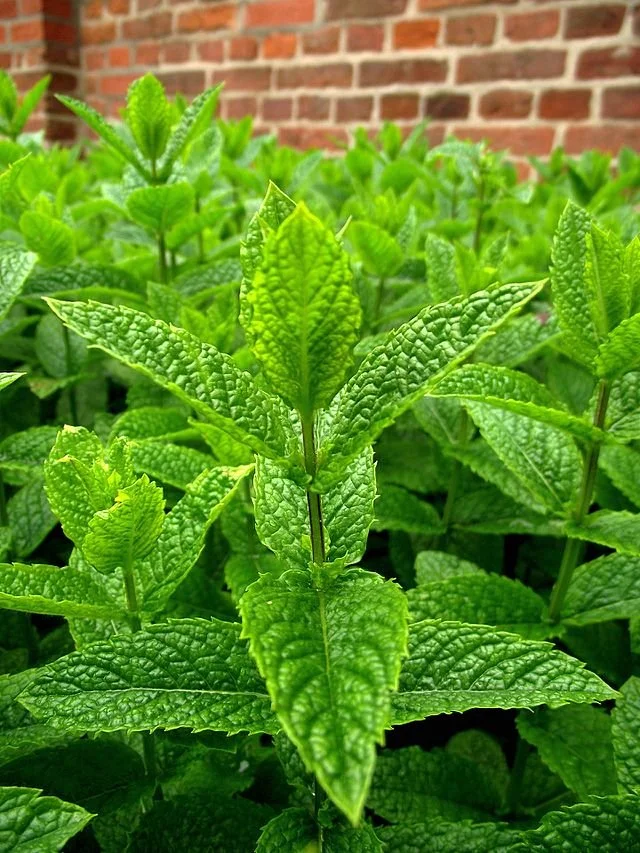
Chocolate Mint (Mentha × piperita) is a vigorous mint with a classic peppermint punch and a subtle cocoa-like aroma that makes it a favorite for teas, desserts, and fresh garnishes. The leaves are deep green with a slight purple cast, and the plant quickly fills in as a fragrant herb or groundcover.
Like most mints, it spreads by runners and can take over a bed if it is not contained. For easy control and reliable harvests, it performs best in pots (or in-ground containers) with steady moisture and regular trimming.
Harvest often for the best flavor, and consider pinching flowers to keep the plant leafy and compact.
Any reference to medicinal or culinary use of plants or plant parts should in no way be considered an endorsement by The Ocala Food Forest or its staff. Research is crucial in safe and proper consumption or experimentational use of any plant.
Plant Information
| Scientific Name: | Mentha × piperita (Chocolate Mint cultivar) |
|---|---|
| Family Name: | Lamiaceae |
| Common Name(s): | Chocolate Mint, Chocolate Peppermint |
| Size: | 12–18 inches tall; commonly spreads 24 inches or more if not contained |
| Plant Type: | Herb / Groundcover, Perennial |
| Origin/Geographic Distribution: | Peppermint is a natural hybrid long associated with European cultivation; widely grown in temperate regions |
| Native to: | Europe and parts of Asia (cultivated and naturalized widely) |
| Native range in the USA: | Not native; commonly naturalized in moist, temperate habitats (stream edges, wet meadows, damp sites) |
| Conservation Status: | Not listed as threatened |
Cultivation
| Planting: |
Best started from divisions or cuttings (faster and more reliable than seed for many mints).
Spacing: 18–24 inches if planting in beds (and plan to contain it). Container planting is strongly recommended.
|
|---|---|
| Sun Exposure: | Full sun to partial shade (afternoon shade helps in hotter sites) |
| Soil Type: | Moist, well-drained soil; adaptable, but performs best in consistently moist conditions |
| Soil pH: | 6.0 to 7.0 |
| Water Requirements: | Keep evenly moist; does not tolerate prolonged dry soil |
| Fertilizer Requirements: | Low to moderate; a light feeding in spring is typically enough (too much fertilizer can reduce aroma). |
| Pruning Requirements: | Pinch tips for bushiness; cut back regularly to prevent legginess and control spread |
| Growth Rate: | Fast |
Tolerance and Hardiness
| Drought Tolerance: | Low; prefers consistently moist soil |
|---|---|
| Frost Tolerance: | High; top growth may die back, but roots typically return in spring (mulch helps in cold regions) |
| Heat Tolerance: | Moderate; performs best when roots stay cool and moist (provide afternoon shade in hot climates) |
| Wind Tolerance: | Moderate; strong wind can dry the plant faster |
| Salt Tolerance: | Low; avoid salty soils and saline irrigation |
| USDA Plant Hardiness Zones: | 3a–10 |
Flower and Fruit Information
| Fruit Type: | None |
|---|---|
| Harvest Time: | Harvest leaves before flowering for peak flavor; cut back hard and it will regrow |
| Edible Plant: | Yes |
| Edible Parts: | Leaves, flowers, and young tender stems |
| Medicinal: | Yes (traditional herb use; commonly used in teas and aromatics) |
| Flower Color: | Pale lilac to purple |
| Flower Shape: | Tubular, two-lipped (mint-family style) |
| Fragrance: | Light floral scent with mint notes; foliage is more strongly aromatic |
| Flower Bloom Time: | Mid to late summer (often July–September, depending on climate) |
| Bloom Duration: | About 4–6 weeks |
| Pollination: Self or Other? | Flowers attract pollinators, but many peppermint types spread mainly by runners rather than seed |
Wildlife
| Pollinators: | Bees, butterflies, moths, and other beneficial insects (flowers are highly attractive) |
|---|---|
| Problematic Pest: | Common issues can include aphids and spider mites; diseases may show up in humid, low-airflow sites |
| Attracts: | Beneficial insects such as hoverflies, ladybugs, and parasitic wasps |
Health and Safety
| Toxic: | Generally non-toxic as a culinary herb. However, concentrated oils or heavy handling can irritate sensitive skin. |
|---|---|
| Poisonous Parts of Plant: | None when used normally. Avoid ingesting concentrated essential oils; they can be irritating and are not the same as culinary leaf use. |
| Toxic to Humans: | Not toxic in normal culinary amounts; discontinue use if irritation or allergy occurs |
| Toxic to Animals: | Generally safe in small amounts, but large ingestion may cause digestive upset. Keep pets away from mint essential oils and concentrated extracts. |
| Plant Diseases to be aware of: | Powdery mildew, mint rust, verticillium wilt, anthracnose, root rot |
Companion Planting
Chocolate mint can be a helpful companion because its strong aroma may confuse certain pests and its flowers support beneficial insects. The key is control: keep mint contained so it does not outcompete nearby crops.
Tomatoes
Benefits: Strong scent can help reduce nuisance pests (varies by site) and supports beneficial insect activity.
Use:
- Keep mint in a pot near tomato beds rather than planting directly in-ground.
- Harvest often to keep it compact and aromatic.
Cabbage & Kale
Benefits: Can help deter cabbage moth pressure and supports beneficial insects when flowering.
Use:
- Place container mint at bed corners for scent coverage without root spread.
- Remove flowers if you want more leaf production.
Peas & Beans
Benefits: Aromatic neighbor plant that can help confuse some chewing/sucking pests.
Use:
- Use as a potted “edge plant” along trellises or row ends.
- Trim regularly so it does not shade young legumes.
Carrots
Benefits: Strong aroma can help mask crop scent in mixed beds.
Use:
- Keep mint in a container near (not in) the carrot row.
- Water mint well so it stays fragrant and healthy.
Alliums (Onions, Garlic, Chives)
Benefits: Pairing strong-scent plants can reduce overall pest pressure and support a diverse herb bed.
Use:
- Group in a “scent guild” with mint in pots to avoid root competition.
- Use frequent harvest as your main control tool.
Marigolds (Tagetes spp.)
Benefits: Adds additional pest-deterrent potential and brings in pollinators/beneficials.
Use:
- Plant marigolds in-ground; keep mint in a nearby container.
- Use as a border pairing in vegetable beds.