Avocado (Persea Americana)
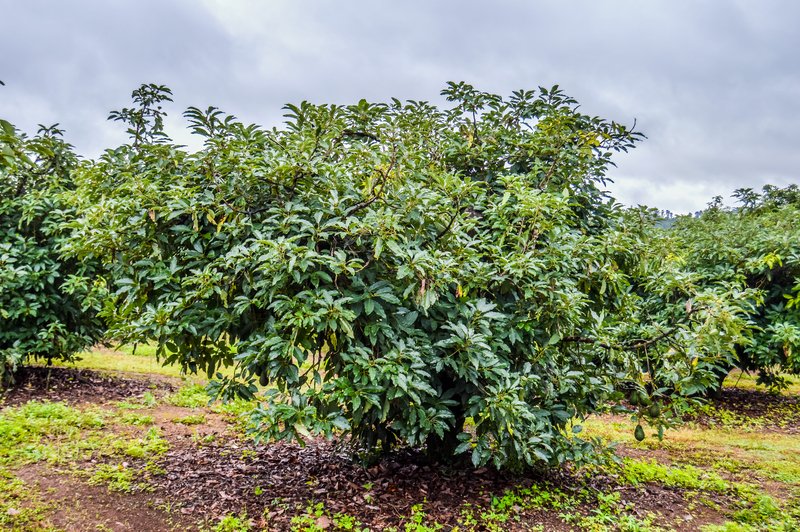
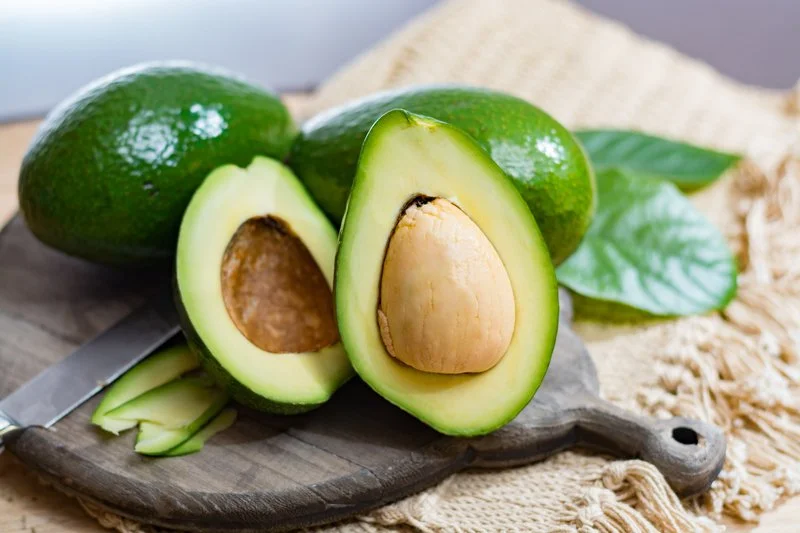
Now imagine a stately tree that is not only a provider of shade but also a source of the superfruit known worldwide for its rich, buttery flavor—the Avocado. Officially named Persea americana, but more affectionately known as the avocado tree, this lush, evergreen giant is a staple in gardens where the climate smiles warmly all year round. Originating from the highlands of south-central Mexico, the avocado tree is a symbol of growth and health, flourishing under the sun to bring forth fruits that are as nutritious as they are delicious.
From its broad, vibrant green leaves to the clusters of subtle, greenish-yellow flowers that promise fruits, the avocado tree is a sight to behold in any landscape. Each season, the flowers mature into the plump, green-skinned avocados that dangle enticingly from the branches, almost like nature's own ornaments. The allure of growing your own avocados extends beyond the pleasure of harvesting them; it's about watching these magnificent trees turn sunlight into the creamy, delectable fruits that enrich our meals and nourish our bodies. In the life of an avocado tree, every bloom and every fruit tells a story of natural abundance and culinary delight, making it a cherished addition to any gardener's green space.
One of our valued pet business clients recently relocated out of state and entrusted us with the avocados she had lovingly grown from seed. As avocados do not grow true to seed, these saplings will develop into entirely unique varieties. We are excited about the possibility of discovering a delicious new avocado among them. Should one of these new varieties prove exceptional, we are considering naming it "Ocal FF." It's always rewarding to embrace experimentation in our new food forest.
Any reference to medicinal or culinary use of plants or plant parts should in no way be considered an endorsement by The Ocala Food Forest or its staff. Research is crucial in safe and proper consumption or experimentational use of any plant.
Plant Information
| Scientific Name: | Persea americana |
|---|---|
| Family Name: | Lauraceae (Laurel family) |
| Common Name(s): | Avocado, Alligator Pear |
| Size: | Can grow up to 40–80 feet tall in the wild, but usually smaller in cultivation |
| Plant Type: | Evergreen tree |
| Origin/Geographic Distribution: | Native to south-central Mexico, widely cultivated in tropical and Mediterranean climates worldwide |
| Native to: | Mexico |
| Planted range in the USA: | Commonly planted in California, Florida, and Hawaii |
| Conservation Status: | Not listed as threatened or endangered |
Cultivation
| Planting: | Best planted in the spring to early summer to allow establishment before cooler temperatures |
|---|---|
| Sun Exposure: | Full sun to partial shade |
| Soil Type: | Rich, well-drained, and slightly acidic |
| Soil pH: | 6.0 to 6.5 (slightly acidic) |
| Water Requirements: | High; requires deep, regular watering especially during dry periods |
| Fertilizer Requirements: | Moderate to high; benefits from balanced N-P-K fertilizer during the growing season. |
| Pruning Requirements: | Prune to shape the tree and remove any diseased or problematic limbs |
| Growth Rate: | Medium; young trees can grow rapidly under optimal conditions |
| Companion Planting: | Compatible with other fruit trees such as citrus and banana, which can share similar cultural requirements and benefit from mutual pollination when applicable |
Tolerance and Hardiness
| Drought Tolerance: | Moderate; established trees can tolerate brief periods of drought |
|---|---|
| Frost Tolerance: | Low; sensitive to frost, especially young trees. Tolerates down to about 28°F (-2°C) to 32°F (0°C) |
| Heat Tolerance: | Good; can handle temperatures up to about 100°F (38°C) |
| Wind Tolerance: | Moderate; protection may be needed in high wind areas to prevent damage to the branches and fruit |
| Salt Tolerance: | Low; not suitable for direct coastal planting |
| USDA Plant Hardiness Zones: | 9–11 |
Flower and Fruit Information
| Fruit Type: | Fleshy drupe, large, single large seed |
|---|---|
| Harvest Time: | Varies by type and climate, typically 6–8 months after flowering |
| Fruit Description: | Creamy texture, rich in flavor, varies in size and shape depending on the variety |
| Edible Plant: | Yes, the fruit is widely consumed fresh and used in various culinary dishes |
| Edible Parts: | The fruit flesh is edible |
| Medicinal: | The fruit and leaves have been used in traditional medicine for their purported health benefits |
| Flower Color: | Greenish-yellow |
| Flower Shape: | Small, inconspicuous flowers in panicles |
| Fragrance: | Flowers are not particularly fragrant |
| Flower Bloom Time: | Spring |
| Bloom Duration: | Flowering period lasts for several weeks |
| Pollination: Self or Other? | Unique flowering behavior with different types of flowers; some varieties require cross-pollination from different avocado types |
Wildlife
| Attracts: | Attracts bees, butterflies, and birds, particularly during flowering and fruiting seasons |
|---|---|
| Pollinators: | Bees are the primary pollinators |
| Problematic Pest: | Susceptible to pests like avocado thrips, scale insects, and root rot nematodes. |
Health and Safety
| Toxic: | No, the fruit is not toxic; however, leaves can be toxic to animals such as horses, cattle, and goats |
|---|---|
| Poisonous Parts of Plant: | Leaves, bark, and seeds contain substances that can be toxic to certain animals |
| Toxic to Humans: | Generally safe for human consumption; skin contact with the sap may cause irritation in sensitive individuals |
| Toxic to Animals: | The leaves and seeds can be harmful to some animals when ingested |
| Plant Diseases to be aware of: | Common diseases include root rot, anthracnose, and canker, which can affect the tree's health and fruit production |
Companion Planting
For Persea americana (Avocado tree), selecting the right companion plants can not only enhance the beauty of your garden but also improve the ecological balance. Here are some ideal companion plants that are both Florida Native and Florida Friendly, complete with their planting zone range, benefits, and uses:
Florida Native: Cocoplum (Chrysobalanus icaco)
Zone Range: 10–11
Benefits: Provides ground cover and stabilizes the microclimate around avocado trees.
Use: Plant around the base to help moderate soil temperature and retain soil moisture.
Florida Native: Palmetto (Sabal spp.)
Zone Range: 8–11
Benefits: Acts as a windbreak and offers partial shade, helpful for young avocado trees.
Use: Plant around the perimeter to reduce wind stress.
Florida Native: Wild Coffee (Psychotria nervosa)
Zone Range: 9–11
Benefits: Attracts beneficial insects, increases biodiversity under the canopy.
Use: Plant under the canopy in dappled light.
Florida Friendly: Citrus Trees (Citrus spp.)
Zone Range: 9–11
Benefits: Similar cultural requirements and supports a diverse orchard.
Use: Space adequately to avoid nutrient competition.
Florida Friendly: Marigolds (Tagetes spp.)
Zone Range: All zones as annuals
Benefits: Natural pest deterrent; strong scent can repel some avocado pests.
Use: Plant around the base as a protective, decorative ground cover.
Florida Friendly: Sunflowers (Helianthus annuus)
Zone Range: 2–11
Benefits: Attract pollinators and beneficial insects.
Use: Plant where they provide a backdrop without shading the avocado too much.
Ensure companions share similar light, watering, and soil preferences. Group by irrigation needs to reduce maintenance, and use contrasting textures for a layered, visually dynamic planting.