Anna Apple (Malus domestica ‘Anna’)
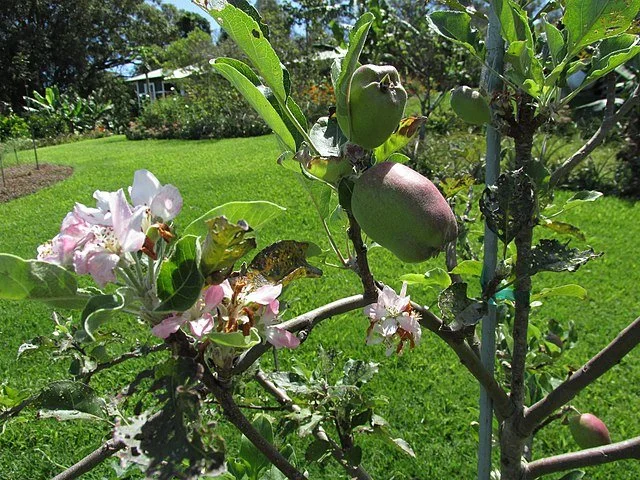
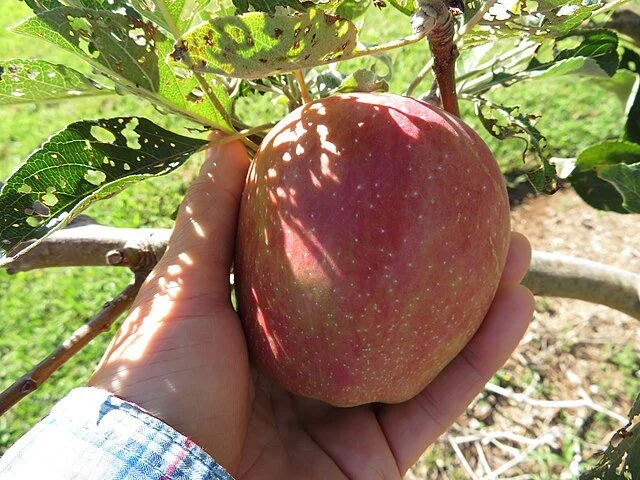
Step into the delightful world of the Anna Apple, a standout variety specially bred for warmer climates. Known for its early ripening and exceptional sweetness, the Anna Apple tree is the perfect addition to any garden looking to yield fruit that captivates with every bite. With its crisp texture and refreshing flavor, this apple variety quickly becomes a favorite among those who taste it.
Cultivating the Anna Apple is a rewarding experience for gardeners of all skill levels. Its adaptability to mild winters makes it an ideal choice for regions typically unsuitable for traditional apple varieties. Whether baked into pastries, eaten fresh, or crafted into homemade cider, the fruits of the Anna Apple tree provide a versatile base for countless culinary adventures. Embrace the joy of harvesting your own apples and enjoy the burst of flavor that only comes from fruit picked straight from the branch.
Varieties suitable for Florida (Zone 9)
Anna Apple
- Fruiting Season: Early summer (usually June to July)
- Pollination: Partially self-fertile, but better fruit production with cross-pollination.
- Best Pollinators: Dorsett Golden is an excellent pollinator for Anna.
- Planting Zone Range: 6–9
- Description: Developed in Israel for warm climates, 'Anna' is a low-chill variety that produces sweet, crisp apples. It requires less than 300 chill hours and can produce fruit in its first or second year after planting.
Dorsett Golden Apple
- Fruiting Season: Early summer (similar to 'Anna', around June to July)
- Pollination: Partially self-fertile, but cross-pollination enhances fruit set.
- Best Pollinators: Anna Apple is a good pollinator for Dorsett Golden.
- Planting Zone Range: 6–9
- Description: Originating from the Bahamas, Dorsett Golden is adapted to warm climates and also requires fewer than 300 chill hours, making it well-suited for Florida’s mild winter.
Ein Shemer Apple
- Fruiting Season: Early to mid-summer
- Pollination: Self-fertile, does not require a pollinator to produce fruit, but can benefit from cross-pollination.
- Best Pollinators: Although self-fertile, having another variety like Anna or Dorsett Golden can increase yield.
- Planting Zone Range: 6–10
- Description: Developed in Israel, Ein Shemer is adapted to warm climates and produces sweet apples that are good for eating fresh and cooking. It requires about 400 chill hours.
These apple varieties are particularly suited to Florida's planting zone 9, reflecting their ability to thrive in warmer climates with fewer chill hours.
Any reference to medicinal or culinary use of plants or plant parts should in no way be considered an endorsement by The Ocala Food Forest or its staff. Research is crucial in safe and proper consumption or experimentational use of any plant.
Plant Information
| Scientific Name: | Malus domestica 'Anna' |
|---|---|
| Family Name: | Rosaceae |
| Common Name(s): | Anna Apple Tree |
| Size: | 15–30 feet tall and wide at maturity |
| Plant Type: | Fruit tree, Deciduous, Perennial |
| Origin/Geographic Distribution: | Developed in Israel for warm climates, Central Asia to Afghanistan |
| Native to: | Not native; bred for cultivation |
| Native range in the USA: | Popular in Southern states like California and Florida |
| Conservation Status: | This specific cultivar has not been evaluated |
Cultivation
| Planting: | Plant in late winter or early spring |
|---|---|
| Sun Exposure: | Full Sun, Partial Shade (2–8 hours direct sunlight) |
| Soil Type: | Well-drained, sandy loam |
| Soil pH: | 6.0 to 8.0 |
| Water Requirements: | Regular watering, especially during dry spells |
| Fertilizer Requirements: | Apply a balanced fertilizer in early spring and again in summer |
| Pruning Requirements: | Annual pruning in winter to promote fruit production and maintain shape. Since this variety is an abundant producer, pruning heavy fruit from branches in late spring will help prevent damage from excessive fruit load. |
| Growth Rate: | Medium; typically grows 12 to 24 inches per year |
| Companion Planting: | Companion with other apple varieties for better pollination, such as 'Dorsett Golden' for cross-pollination |
Tolerance and Hardiness
| Drought Tolerance: | Low; regular watering needed |
|---|---|
| Frost Tolerance: | Moderate; can tolerate light frosts once established (down to about 30°F / -1°C) |
| Heat Tolerance: | High; particularly suited for warm climates (up to about 100°F / 38°C) |
| Wind Tolerance: | Medium; may require staking in windy areas |
| Salt Tolerance: | Low; not suitable for highly saline environments |
| USDA Plant Hardiness Zones: | 4a–9b |
Flower and Fruit Information
| Fruit Type: | Apple |
|---|---|
| Harvest Time: | Early summer (June to July); fruit is ready when firm and fully colored |
| Fruit Description: | Medium-sized, sweet apples with a slight tartness, suitable for fresh eating and cooking |
| Edible Plant: | Yes |
| Edible Parts: | Fruit |
| Medicinal: | Apples are rich in dietary fiber and vitamin C |
| Flower Color: | Pink to white |
| Flower Shape: | Five-petaled |
| Fragrance: | Fragrant |
| Flower Bloom Time: | Spring |
| Bloom Duration: | Several weeks |
| Pollination: Self or Other? | Other; requires cross-pollination with another apple variety |
Wildlife
| Attracts: | Bees, birds, and other pollinators |
|---|---|
| Pollinators: | Bees are primary pollinators, crucial for cross-pollination and fruit set |
| Problematic Pest: | Apple trees can be susceptible to several pests such as codling moth, apple maggot, and aphids. Regular monitoring and integrated pest management strategies are recommended. |
Health and Safety
| Toxic: | No |
|---|---|
| Poisonous Parts of Plant: | Seeds contain cyanide compounds and should not be consumed in large quantities |
| Toxic to Humans: | Seeds are mildly toxic if consumed in large amounts |
| Toxic to Animals: | Seeds can be toxic to pets if ingested in large quantities |
| Plant Diseases to be aware of: | Prone to apple scab, powdery mildew, and fire blight |
Companion Planting
Enhance the vitality and yield of your Anna Apple Tree through strategic companion planting. Surrounding your apple trees with beneficial plants not only promotes healthier growth but also naturally repels pests and attracts essential pollinators. Discover the perfect companions that thrive in Florida's climate, ensuring a lush and productive orchard.
Garlic (Allium sativum) — Florida Friendly
Zone Range: 4–9
Benefits: Helps deter pests like borers and aphids when planted around the tree’s drip line.
Planting Tip: Plant garlic cloves in the fall around the drip line of your apple tree.
Lavender (Lavandula spp.) — Florida Friendly
Zone Range: 5–9
Benefits: Repels pests such as codling moths and attracts pollinators to apple blossoms.
Planting Tip: Plant along orchard edges or near trees for best results.
Marigolds (Tagetes spp.) — Florida Friendly
Zone Range: 2–11
Benefits: Deters nematodes and repels pests; attracts beneficial insects.
Planting Tip: Interplant on the orchard floor for broad coverage.
Basil (Ocimum basilicum) — Florida Friendly
Zone Range: 10–11 (annual in cooler zones)
Benefits: Repels thrips, flies, and mosquitoes; may confuse fruit tree pests.
Planting Tip: Plant under or near apple trees for easy harvest and pest pressure reduction.
Chives (Allium schoenoprasum) — Florida Friendly
Zone Range: 3–12
Benefits: Can help deter apple scab and attracts bees needed for pollination.
Planting Tip: Plant around the base; low-growing and non-competitive for light.
Sunflowers (Helianthus annuus) — Florida Friendly
Zone Range: 2–11
Benefits: Can lure aphids away and attract beneficial insects that prey on pests.
Planting Tip: Plant around the perimeter as a trap crop.