Aloe (Aloe Vera)
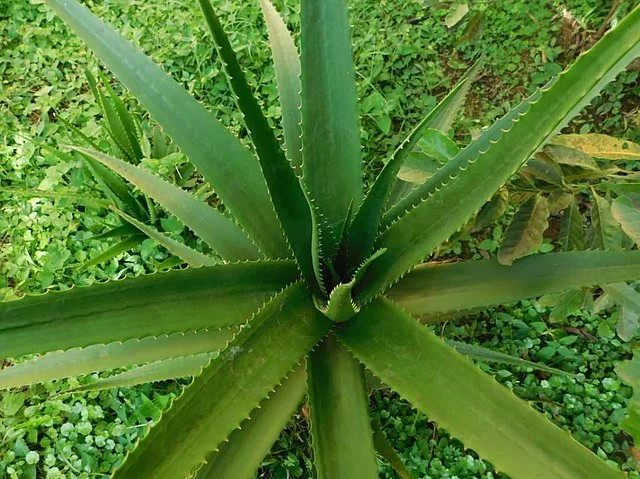
Aloe Vera, scientifically known as Aloe vera, is a succulent plant species belonging to the Xanthorrhoeaceae family. Often hailed as the "lily of the desert," this plant thrives in hot, dry climates, but has also become popular as a household plant due to its minimal care requirements and medicinal benefits.
Aloe Vera plants feature thick, fleshy leaves that fan out from the plant’s central stem. The green to grey-green leaves may have white flecks on their upper and lower stem surfaces. The edges of the leaves are serrated with small white teeth, making it both distinctive and attractive as a decorative plant.
Whether you're looking to enhance your garden’s aesthetic, start a herbal remedy kit, or simply enjoy the natural beauty of succulents, Aloe Vera is an excellent choice. Its enduring appeal and practical benefits ensure that it remains a favorite in homes and gardens worldwide.
Any reference to medicinal or culinary use of plants or plant parts should in no way be considered an endorsement by The Ocala Food Forest or its staff. Research is crucial in safe and proper consumption or experimentational use of any plant.
Plant Information
| Scientific Name: | Aloe vera |
|---|---|
| Family Name: | Asphodelaceae |
| Common Name(s): | Aloe, Burn Plant, Lily of the Desert |
| Size: | Up to 2 feet tall |
| Plant Type: | Succulent, Herbaceous Perennial |
| Origin/Geographic Distribution: | Native to the Arabian Peninsula |
| Native to: | Arabian Peninsula |
| Native range in the USA: | Not native to the USA, but widely cultivated |
| Conservation Status: | Some wild species of Aloe are under threat due to habitat destruction and illegal harvesting, primarily for the medicinal and ornamental plant trade. For Aloe Vera itself, its widespread cultivation largely protects it from the pressures that endanger many of its wild relatives. |
Cultivation
| Planting: | Spring or early summer |
|---|---|
| Sun Exposure: | Full sun to partial shade |
| Soil Type: | Well-drained, sandy or gravelly |
| Soil pH: | Slightly acidic to neutral (pH 6.0-7.5) |
| Water Requirements: | Low (drought-tolerant once established) |
| Fertilizer Requirements: | Low; feed with a succulent fertilizer in spring (optional) |
| Pruning Requirements: | Minimal; remove spent leaves as necessary |
| Growth Rate: | Moderate |
| Companion Planting: | Compatible with other succulents and drought-tolerant plants |
Tolerance and Hardiness
| Drought Tolerance: | High |
|---|---|
| Frost Tolerance: | Low; does not tolerate frost (below 32°F / 0°C) |
| Heat Tolerance: | High; up to 104°F / 40°C |
| Wind Tolerance: | Medium |
| Salt Tolerance: | Low |
| USDA Plant Hardiness Zones: | 9 to 12 |
Flower and Fruit Information
| Fruit Type: | Not typically produced in cultivation |
|---|---|
| Harvest Time: | N/A |
| Fruit Description: | Does not bear fruit |
| Edible Plant: | Yes (aloe gel) |
| Edible Parts: | Inner leaf gel |
| Medicinal: | Yes, used for skin treatment and minor burns |
| Flower Color: | Gold/Yellow, Orange, Red/Burgundy |
| Flower Shape: | Tubular |
| Fragrance: | Raceme |
| Flower Bloom Time: | Spring to early summer |
| Bloom Duration: | Several weeks |
| Pollination: Self or Other? | Bees and other insects |
Wildlife
| Attracts: | Bees |
|---|---|
| Pollinators: | Bees and other insects |
| Problematic Pest: | Aphids and mealybugs |
Health and Safety
| Toxic: | No |
|---|---|
| Poisonous Parts of Plant: | None |
| Toxic to Humans: | No |
| Toxic to Animals: | Yes, can be toxic to pets if ingested |
| Plant Diseases to be aware of: | Scale, leaf spot, aloe rust, sooty mold. |
Companion Planting
Companion planting with Aloe Vera can enhance the health and growth of your garden by taking advantage of its natural properties and the benefits it offers. Here are some ideal companion plants for Aloe Vera and the reasons they pair well together:
1. Cacti and Other Succulents
Compatibility: Similar growing conditions (well-drained soil and plenty of sunlight).
Examples:
- Agave
- Echeveria
- Sedum
2. Lavender
Benefits: Thrives in full sun and well-drained soil; strong scent can help deter pests.
Complementary Aesthetics: Soft purple blooms contrast nicely with Aloe’s green leaves.
3. Rosemary
Drought Tolerance: Matches Aloe’s low-water needs.
Pest Deterrence: Rosemary’s aromatic properties can help repel certain pests nearby.
4. Yucca
Similar Growing Conditions: Sun + well-drained soil makes them easy companions.
Visual Texture: Upright form contrasts with Aloe’s rosette habit.
5. Zebra Plant (Haworthiopsis)
Low Water Needs: Another succulent well-suited to the same watering rhythm.
Visual Diversity: Stripe-like markings contrast with Aloe’s broader leaves.